
Plants
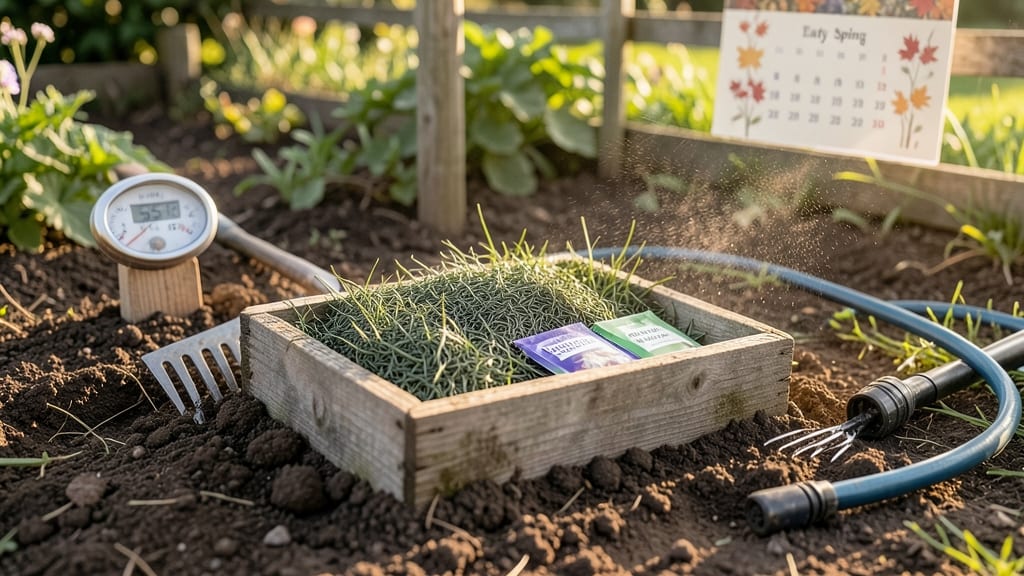
Timing your grass seed planting in spring can mean the difference between a lush, green lawn and months of patchy growth—or worse, wasted seed.
With 4-6 weeks before the last frost date being the sweet spot in Zone 6a, you’ll want to lock in that window before unpredictable spring rains or scorching heat throw off your plans.
I’ve seen firsthand how a moist, warm soil—around 50-65°F for cool-season grasses—sets the stage for strong germination. But here’s the catch: planting too early risks frost damage, while waiting too long can leave your lawn vulnerable to weeds.
Let’s break down the exact timing and soil conditions you need to avoid those pitfalls.
You’ll also discover how to prep your soil for maximum success—think aeration, weed control, and the right fertilizer blend. Plus, I’ll share my go-to checklist for keeping moisture levels just right during those critical first weeks. No more guessing whether your lawn will thrive or flop.
Ready to transform your patchy yard into a vibrant green space? Let’s dive into the secrets of spring planting that even experienced gardeners swear by.
Optimal spring soil temperature & moisture conditions for planting grass seed
Spring is the perfect time to plant grass seed, but getting the soil temperature and moisture right is non-negotiable. Cool-season grasses like fescue and ryegrass thrive when soil temps sit between 50-65°F, while warm-season types such as Bermuda and Zoysia need 65-75°F.
In Zone 6a, this typically aligns with late March to early April—but don’t guess. Use a soil thermometer to confirm.
Moisture is just as critical. Grass seed needs consistent dampness to germinate, but soggy soil can suffocate roots. Aim for 1-1.5 inches of water per week, either from rain or irrigation.
Morning watering is best—it reduces evaporation and fungal risks. If your region is dry, consider a light mulch (like straw) to retain moisture without smothering seedlings.
Here’s the kicker: planting too early risks frost damage, while waiting too long invites weeds. In the Northern U.S., target 4-6 weeks before the last frost date (usually mid-April in Zone 6a).
For the Southern U.S., late spring (May-June) works better to avoid summer heat stress. Always check your local frost calendar—it’s your best friend.
| Condition | Cool-Season Grasses | Warm-Season Grasses |
|---|---|---|
| Ideal Soil Temp | 50-65°F | 65-75°F |
| Best Planting Months (Zone 6a) | March-April | May-June |
| Moisture Needs | 1-1.5" weekly | 1-2" weekly |
| Watering Time | Morning (6-9 AM) | Early morning |
| Frost Risk Window | Avoid planting 2 weeks before last frost | Plant after frost danger |
Regional differences matter. In cooler climates (like the Pacific Northwest), you might start as early as February if soil temps are stable. Meanwhile, in warmer zones (e.g., Texas or Florida), late spring is safer.
Pro tip: If you’re unsure, use a seed germination mat to warm the soil slightly—it can shave weeks off your planting window.
Don’t overlook soil pH either. Most grasses prefer a neutral pH (6.0-7.0). Test your soil and amend with lime (to raise pH) or sulfur (to lower it) before planting. Skipping this step can stunt growth, no matter how perfect your timing is.
One more pro move: If you’re planting in shady areas, opt for fine fescue or creeping red fescue, which tolerate lower light. These varieties germinate slower but thrive once established. For sun-drenched lawns, Kentucky bluegrass or tall fescue are top performers.
Finally, keep an eye on the weather forecast. A stretch of dry, windy days after planting can dry out seed before it germinates. If rain is in the forecast, hold off until conditions stabilize.
The goal? A moist, warm soil that’s ready to welcome your grass seed with open arms.
With these conditions locked in, you’re setting your lawn up for strong roots and vigorous growth. Next, we’ll tackle the step-by-step prep to ensure your soil is primed for success—because even the best timing won’t save a poorly prepared bed.
Optimal spring soil temperature & moisture conditions for planting grass seed
Spring’s unpredictable weather makes timing your grass seed planting tricky, but soil temperature is the #1 factor for success. Cool-season grasses like Kentucky bluegrass and fescue thrive when soil reaches 50-65°F, while warm-season types like Bermuda and Zoysia need 65-75°F.
In Zone 6a, that typically means planting between mid-March and early May, but your local last-frost date is your real deadline.
Moisture is just as critical—dry soil prevents germination, while soggy conditions invite fungal diseases. Aim for soil that’s moist but not waterlogged, like a damp sponge. A simple test: squeeze a handful—if it crumbles slightly, it’s ready.
If it sticks together, wait a few days. Morning watering keeps moisture consistent without encouraging evening fungal growth.
Regional differences matter too. Northern climates (like Zone 4-5) should plant 4-6 weeks before the last frost, while Southern areas (like Zone 7+) can wait until late April or May to avoid summer heat stress.
Check your local USDA zone for precise timing—my Zone 6a lawn always gets seeded by April 1st to beat the heat.
🌱 Spring Planting Conditions by Grass Type
| Grass Type | Ideal Soil Temp | Planting Window | Moisture Needs |
|---|---|---|---|
| Cool-Season (Fescue, Bluegrass) | 50-65°F | 4-6 wks before last frost | Consistently damp |
| Warm-Season (Bermuda, Zoysia) | 65-75°F | After last frost (late spring) | Deep watering |
⚠️ Pro Tip: Use a soil thermometer ($10 at garden centers) to confirm temps before planting.
Don’t overlook rainfall patterns—spring showers can create perfect conditions, but prolonged downpours delay planting. If your area forecasts 3+ inches of rain in a week, hold off until skies clear.
I once planted during a dry spell and had to water twice daily for 10 days to keep seeds moist enough to sprout.
Watch for weed competition too. If weeds like crabgrass or dandelions are already sprouting, your grass seed will struggle. Pre-emergent herbicides applied 2 weeks before planting can help, but avoid post-planting chemicals until seedlings are 3-4 inches tall.
A quick soil test (pH 6.0-7.0 is ideal) ensures nutrients aren’t locking out your new grass.
Timing isn’t just about the calendar—it’s about soil readiness. If your ground is still frozen or waterlogged from winter, wait. The goal is to give your grass seed 6-8 weeks of warm, stable growth before summer’s heat arrives.
In my experience, late April is the sweet spot for Zone 6a, but your microclimate might differ.