
Plants
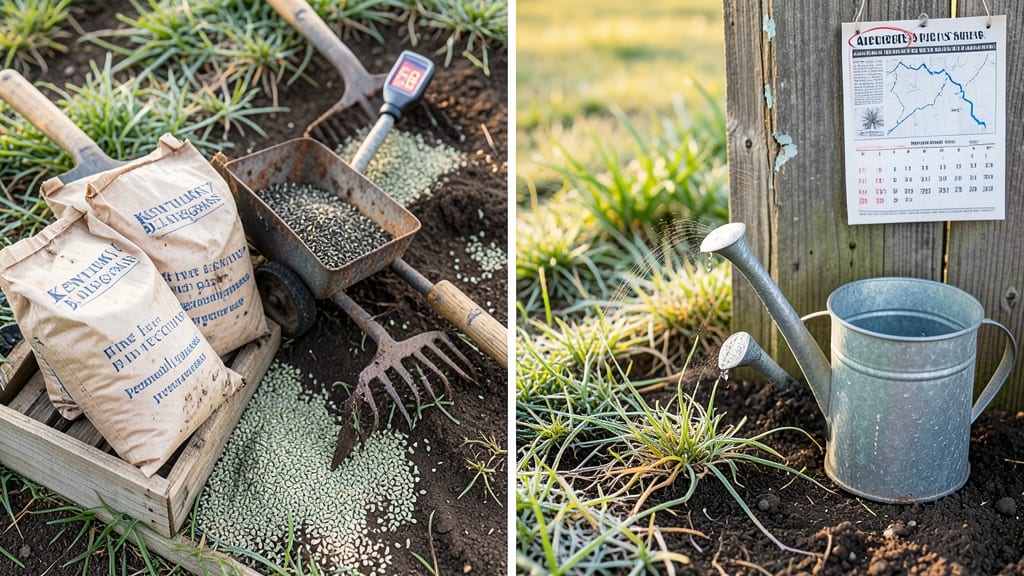
If you're staring at your patchy Minnesota lawn wondering when it's too late to plant grass seed, you're not alone—fall's unpredictable weather makes timing tricky. The good news? With the right approach, you can still establish a thick, green lawn even when summer lingers longer than expected.
Minnesota’s 3b-5b zones offer a narrow window—typically mid-August to early September—but late plantings can work if you account for frost risk and soil conditions.
The key is choosing the right grass type (like fine fescue or Kentucky bluegrass) and giving seeds 4-6 weeks to root before winter sets in.
Don’t let the calendar stress you out. Whether you’re in the Twin Cities or northern Minnesota, this guide breaks down the last-minute deadlines by zone and shares actionable tips—from soil prep to watering schedules—to maximize your late-season success. Let’s get that lawn growing!
Ready to turn bare spots into a lush carpet of green? The clock is ticking, but with the right moves, you can still pull it off. Here’s what you need to know before you grab that seed bag.
Minnesota’s last-minute grass seed planting deadline by hardiness Zone
Minnesota’s cool-season grasses thrive when planted at the right time, but late-season planting is possible if you know the zone-specific deadlines. Northern Minnesota (Zone 3) has stricter timing than southern areas (Zone 5), so understanding your last frost dates is critical.
Aim to plant at least 4-6 weeks before frost—any later risks weak germination or winter kill.
For most of Minnesota, the ideal window is early spring (March-April) or early fall (August-September). However, late-summer planting (July) can work if you choose fast-germinating varieties like tall fescue or perennial ryegrass. Southern MN (Zones 4-5) has a 2-3 week buffer compared to northern regions.
Here’s the comparison table breaking down deadlines by zone, including soil temperature thresholds and frost risks:
If you’re in Zone 3 and miss the September 1 deadline, germination becomes unreliable due to dropping soil temps. For Zone 5, you can push it to mid-October, but seeds may struggle to establish roots before winter. Always check the National Weather Service for local frost forecasts.
For late-summer planting (July-August), prioritize fast-germinating seeds like perennial ryegrass, which sprouts in 7-14 days. Pair this with daily watering and a light mulch to retain moisture and warmth. Avoid Kentucky bluegrass in late summer—it germinates slowly and struggles in heat.
Pro tip: Use a soil thermometer to confirm temps are above 50°F (10°C). If soil is cooler, delay planting until temps rise. In northern MN, this might mean waiting until early September even if you’re eager to act.
Regional microclimates matter too. Urban areas like Minneapolis may have 1-2 weeks later deadlines than rural northern MN due to heat retention. Check your USDA Plant Hardiness Zone map for precise boundaries.
If you’re on the fence about timing, opt for overseeding in early spring instead. It’s a safer bet for late plantings and gives seeds 4-6 weeks of warm soil before summer heat sets in.
Remember: Late planting ≠ failure—it’s about adjusting expectations. With the right seed variety, soil prep, and watering routine, you can still achieve 70-80% coverage even when pushing the deadline.
Minnesota’s last-minute grass seed planting deadline by hardiness Zone
Minnesota’s 3b-5b hardiness zones create a tight window for late grass seed planting, but don’t panic if you missed the ideal mid-August mark. The last safe deadline depends on your zone and grass type—cool-season varieties like fine fescue or tall fescue can handle late plantings better than Kentucky bluegrass.
In Zone 3b (northern MN), aim to finish by September 1st to give seeds 4-6 weeks before frost. Zone 4a/b (central MN) has a slightly longer window—September 15th—while Zone 5b (southern MN) can push it to late September if soil temps stay above 50°F.
🌱
| Zone | Last Safe Planting Date | Grass Type Recommendation | Soil Temp Requirement | Key Risk |
|---|---|---|---|---|
| 3b (Northern MN) | September 1 | Fine Fescue, Tall Fescue | 50°F+ | Early frost |
| 4a/b (Central MN) | September 15 | Tall Fescue, Perennial Ryegrass | 55°F+ | Soil freezing |
| 5b (Southern MN) | Late September | Kentucky Bluegrass, Fine Fescue | 60°F+ | Late-season weeds |
For late plantings, prioritize fine fescue blends—they germinate faster in cool soils and tolerate frost better than Kentucky bluegrass. Check your local frost forecast (aim for 6+ weeks before the first hard freeze) and test soil temps with a soil thermometer—seeds need 50°F+ for reliable germination.
If you’re in Zone 4b or 5b and planting after September 20th, consider using a frost blanket or straw mulch to protect young seedlings. Even a light frost won’t kill established grass, but tender sprouts can suffer.
Pro tip: Use a pre-emergent herbicide 2 weeks before planting to block weeds, then overseed with a slit seeder for even coverage. Water daily for 2 weeks to keep soil moist but not soggy—this is critical for late-season success.
☀️