
Plants
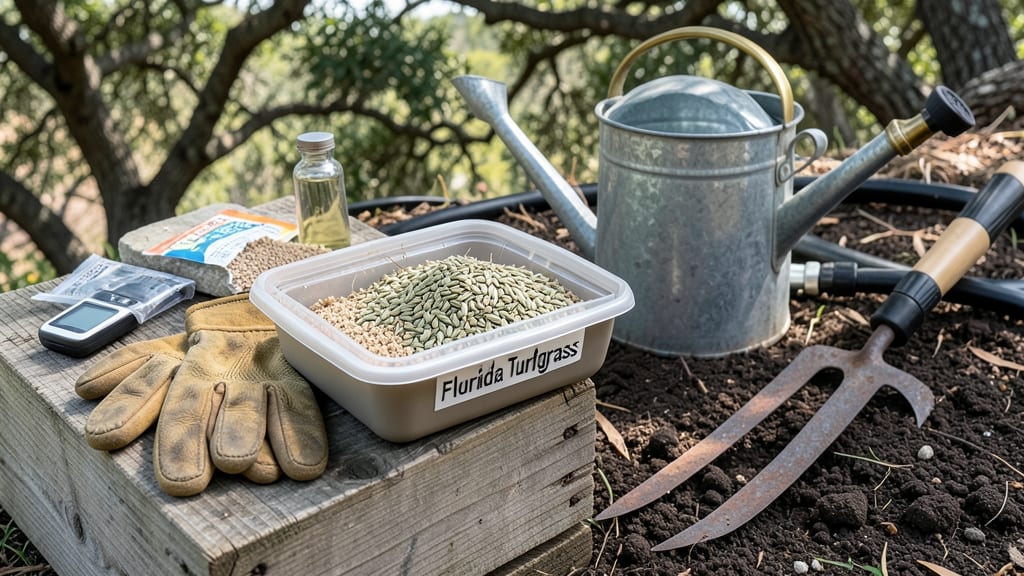
If you've ever stared at a patchy lawn wondering when is the best time to plant grass seed in Florida, you're not alone. Florida's climate throws curveballs—scorching summers, sudden storms, and humidity that can turn seed into a sad, melted mess if you're not careful.
The secret weapon for Florida lawns isn't some exotic fertilizer or fancy sprinkler system—it's timing. Late summer to early fall creates that narrow "heat escape window" where soil temps hit the sweet spot (75-85°F), rainfall is manageable, and your grass seed actually stands a chance against the elements.
I've seen firsthand how planting outside this window leads to frustration—thin patches, weed takeover, or seed that just refuses to germinate. But when you nail the timing? That's when your lawn transforms from "meh" to lush green in just weeks.
Let's break down exactly why this window works, how to prep your soil like a pro, and what common mistakes are silently sabotaging your grass—so you can finally stop guessing and start growing.
Florida's optimal grass seed planting window: late summer escape (August-September)
Florida’s climate presents a unique challenge for grass seed planting—too early, and you risk hurricane season damage or overheated soil. Too late, and cooler temperatures slow germination.
The sweet spot? Late summer’s heat escape window, when soil temps drop from scorching highs to the ideal 75-85°F range for seed activation.
This window typically opens in late August and closes by mid-October, aligning with Florida’s USDA Zones 8a-11. North Florida (Zones 8a-9a) has a slightly earlier window due to cooler nights, while South Florida (Zones 10a-11) can extend planting into early November.
The key? Soil temperature, not air temperature—use a soil thermometer to confirm readiness.
During this window, you’ll benefit from reduced heat stress on young seedlings and consistent rainfall (Florida’s average 5-7 inches/month in late summer). This natural irrigation cuts down on your watering workload while keeping seeds moist enough to sprout.
The trade-off? Hurricane season still lingers, so time your planting to avoid September’s peak storm activity.
🌱
For North Florida gardeners, the window closes earlier due to cooler nights and the risk of early frosts by late October. If you’re in Zone 8a, aim to finish planting by September 30 to avoid stunted growth.
In South Florida, you’ve got more flexibility—some gardeners successfully plant into early November if soil temps remain above 75°F.
Pro tip: Check the National Weather Service’s 10-day forecast before seeding. If heavy rain (>2 inches in 24 hours) is predicted, delay planting by 1-2 weeks to prevent seed erosion and fungal issues. Florida’s afternoon thunderstorms are ideal for natural watering, but standing water can drown seeds.
Timing isn’t just about the calendar—it’s about soil conditions. Test your soil’s moisture content before planting; it should feel like a wrung-out sponge. If it’s bone-dry, irrigate for 3-5 days beforehand to create the perfect moisture reservoir for seeds.
Overwatering here is better than underwatering, but avoid soggy soil, which suffocates oxygen.
💧
While late summer is prime, don’t overlook spring planting (March-April) as a secondary window. Spring offers gentler temperatures and lower humidity, reducing fungal risks. However, spring’s shorter window (4-6 weeks vs. late summer’s 8-10 weeks) means you’ll need to act fast.
For Bermuda grass, spring is actually the preferred time, as it thrives in warm-season conditions.
Regional variations matter—Central Florida’s humid subtropical climate creates a microclimate where grass seed can germinate almost year-round, but the late summer escape window still delivers the best results. South Florida’s tropical climate extends the window, but hurricane risks in September often make August the safer bet.
Florida's optimal grass seed planting window: late summer escape (August-September)
Florida’s humid heat and unpredictable rain create a tricky balance for grass seed germination. The key? Planting during the late summer escape window—when temperatures begin to drop and hurricane season winds down.
This August-September period offers the perfect soil temperature (75-85°F) for seed activation without the stress of peak summer heat.
North Florida’s cooler microclimates (USDA Zones 8a-9a) benefit most from early September planting, while South Florida (Zones 10a-11) can extend into mid-October. The goal is to give seeds 6-8 weeks of warm, stable conditions before cooler winter temperatures arrive—especially critical in frost-prone North Florida.
Florida Grass Planting Window by Region
| Region | Best Planting Window | Soil Temp (°F) | Key Benefit |
|---|---|---|---|
| North Florida (8a-9a) | Early August - Mid-September | 75-85°F | Avoids hurricane season |
| Central Florida (9b-10a) | Mid-August - October | 80-88°F | Balances heat and rain |
| South Florida (10b-11) | Late August - Mid-November | 82-90°F | Extends growing season |
This window also aligns with natural rainfall patterns. Florida’s afternoon thunderstorms (common in late summer) provide consistent moisture without the risk of overwatering or fungal diseases that plague spring plantings.
For example, St. Augustinegrass thrives when planted in early September—giving roots time to establish before winter’s drought stress sets in.
Miss this window, and you’ll face higher seed costs (spring plantings require more seed due to bird predation) or poor germination from extreme heat or frost risks. Even Bermudagrass, Florida’s most drought-tolerant option, struggles when planted outside this optimal 60-day window.
Pro tip: Use a soil thermometer to confirm temps are above 70°F at 2-inch depth—the magic threshold for most Florida grass seeds. This simple check can save you from $500+ in wasted seed if conditions are off.