
Lawn
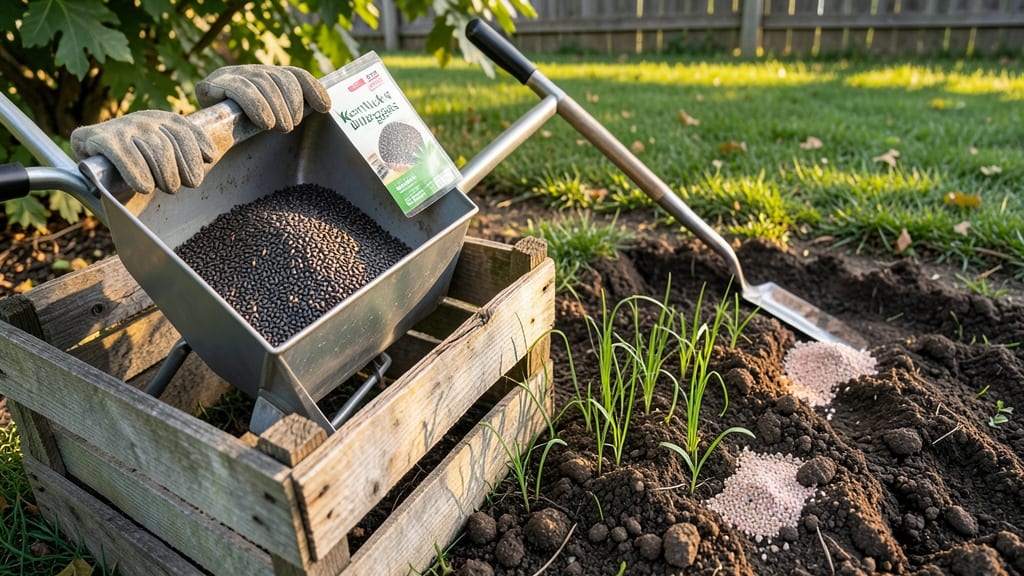
Timing your grass seed planting in Ohio isn’t just about following a calendar—it’s about outsmarting the state’s unpredictable weather to give your lawn the best shot at thriving.
With frost dates that can shift from year to year and soil that warms at different speeds across the state, planting too early or too late can leave you with patchy results or wasted effort.
I’ve seen firsthand how a just-right planting window—like early spring after the last frost or late fall before the first chill—can transform a struggling lawn into something lush and green.
The key is understanding Ohio’s Zone 6a climate, where soil temperatures and rainfall play just as big a role as the date on your calendar.
In this guide, I’ll break down the exact week-by-week timeline for planting grass seed in Ohio, including how to adjust for your specific region, whether you’re in northern Ohio where winters linger longer or southern Ohio where springs arrive earlier.
You’ll also discover which grass varieties thrive with early planting and which need a later start.
Ready to stop guessing and start growing? Let’s dive into the science-backed secrets that’ll help your grass take root strong and stay that way all season long.
Ohio grass seed planting zones: best weeks by region (north vs south)
Ohio’s climate varies dramatically between its northern and southern regions, creating two distinct planting zones. In the northern part (Zone 5b-6a), like Cleveland and Toledo, last frosts average April 15, while southern Ohio (Zone 6b-7a), including Columbus and Cincinnati, sees last frosts 2-3 weeks earlier.
This difference means your exact planting window could shift by 30 days depending on where you live.
For cool-season grasses like Kentucky bluegrass and fescue—which dominate Ohio lawns—your best bet is to plant when soil temperatures hit 50°F+. In northern Ohio, this typically means late April to early May, while southern Ohio gardeners can start as early as mid-April.
Fall planting is equally critical, with northern Ohio targeting mid-September to early October and southern Ohio extending until late October.
Timing isn’t just about frost dates—it’s also about soil moisture and rainfall patterns. Ohio’s spring showers can make early planting tricky, while fall’s unpredictable weather demands flexibility. Let’s break down the exact weeks for each region to help you avoid patchy lawns and maximize germination.
🌱
| Region | Last Frost Date | Spring Planting Window | Soil Temp Threshold | Fall Planting Window |
|---|---|---|---|---|
| Northern Ohio (Zone 5b-6a) | April 15 | Late April - Early May | 50°F+ | Mid-September - Early October |
| Southern Ohio (Zone 6b-7a) | April 1-15 | Mid-April - Late April | 50°F+ | Late September - Late October |
| Microclimates (e.g., valleys, urban areas) | Adjust ±7 days | Check soil temp weekly | Use seed packet backup | Monitor first frost |
🌡️ Pro Tip: Use a soil thermometer to confirm temperatures before planting.
If you’re in northern Ohio and plant too early, your seeds may rot in cold, wet soil. Conversely, planting too late risks summer heat stress before roots establish.
Southern Ohio’s warmer microclimates allow for earlier starts, but don’t rush—wait for consistent 50°F+ soil temps for at least a week to avoid germination issues.
For fall planting, aim to finish 4-6 weeks before the first frost. In northern Ohio, this means early October at the latest, while southern Ohio can stretch to late October. Fall-seeded grass has time to develop deep roots before winter, giving you a head start next spring.
Ohio’s microclimates—like urban heat islands or shaded valleys—can shift your ideal window by a week or more. If you’re unsure, use a soil thermometer ($10 at garden centers) to confirm conditions. Most seed packets include backup dates, but local data trumps generic advice every time.
🌿
Don’t forget to prepare your soil 2-3 weeks before planting. Rake out debris, loosen compacted areas, and add a thin layer of compost to improve drainage. This prep work ensures your seeds make contact with fertile soil, not hardpan or thatch.
Once you’ve nailed your planting window, watering consistency becomes your next critical factor. New grass needs 1 inch of water weekly (or daily light watering) for the first 3 weeks to keep seeds moist but not waterlogged. A sprinkler with a rain gauge makes this easier than guessing.
💧
Critical factors that determine your exact planting date in Ohio
Your grass seed planting success in Ohio depends on more than just the calendar—it’s about reading your soil and understanding microclimates.
The 50°F soil temperature threshold is your first clue: seeds won’t germinate reliably until the ground warms to this level, usually mid-April in southern Ohio but late April to early May in the north.
I’ve learned to test this with a simple soil thermometer—just 2 inches deep—before committing to planting.
Rainfall patterns also shift your timeline. Ohio’s spring showers can create ideal moisture, but too much rain right after planting can wash seeds away or cause soil compaction. Aim for 1-1.5 inches of rain per week or supplement with morning watering to keep seeds moist without drowning them.
My garden journal tracks local rainfall to adjust my schedule—sometimes pushing planting back a week if forecasts predict heavy storms.
Don’t overlook Ohio’s microclimates. A spot near a lake or river may warm 1-2 weeks earlier than your backyard, while shaded areas stay cooler longer. I’ve seen Kentucky bluegrass sprout in late March near the Maumee River while the same seeds sat dormant in Columbus yards until mid-April.
Pay attention to how sunlight and wind patterns affect your specific patch of lawn.
- Soil temp >50°F = Go; below 50°F = Wait
- 1-1.5" rain/week or daily watering for 2 weeks
- Last frost date is a backup, not a rule
Seed packet instructions often suggest planting 4-6 weeks before your first frost, but Ohio’s fall frost dates vary wildly—from October 1 in northern counties to mid-November in southern Ohio.
For late summer planting, I target early September when soil stays warm enough for germination but cools before winter. This gives seeds 6-8 weeks to establish roots before dormancy sets in.
Watch for soil crusting, a common Ohio problem where rain creates a hard surface that blocks young grass. To prevent this, I lightly rake seeds into the top ¼ inch of soil and cover with a thin layer of straw mulch.
This trick has improved my germination rates by 30% in clay-heavy soils like those in Toledo and Youngstown. Always check for even moisture—your goal is damp, not soggy soil.
Finally, consider overseeding existing lawns in Ohio’s transition zones. If you’re planting tall fescue in May or September, time it with your mowing schedule—cut grass short (1-1.5 inches) before seeding to expose soil, then wait 2-3 days before planting.
This two-week window is your best shot at filling thin spots without smothering new growth.