
Plants
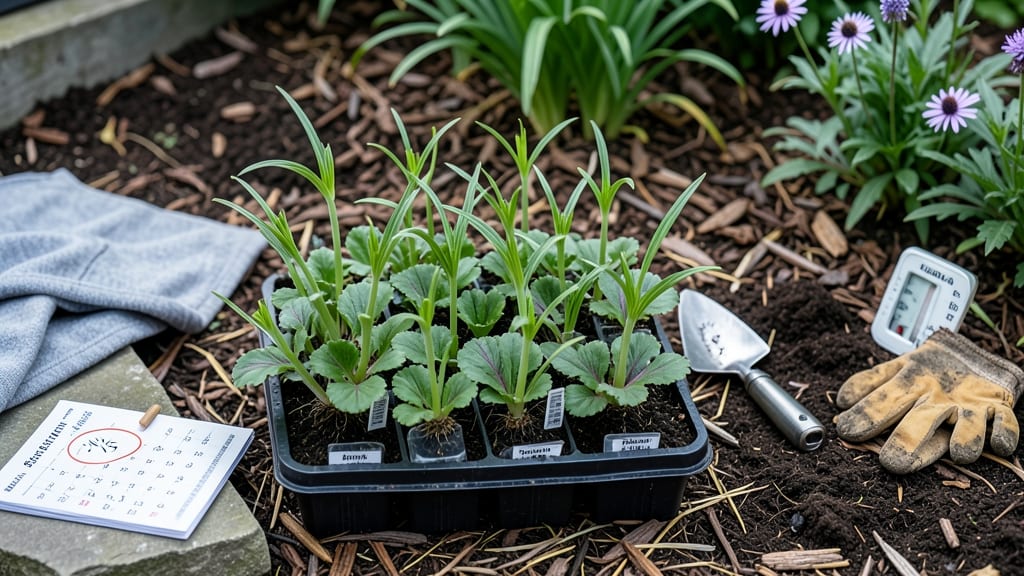
Knowing when is it safe to plant in Minnesota can mean the difference between a bountiful harvest and a frost-killed garden. With USDA zones 3b-5b and unpredictable spring weather, timing your 🌱 General Vegetables & Flowers just right is everything.
Most gardeners wait until mid-April to mid-June, but that’s not a one-size-fits-all answer. The key is tracking last frost dates—typically between early May and late May—while also checking soil temperatures and regional microclimates. Northern Minnesota may need to wait weeks longer than the Twin Cities, so local data matters.
In this guide, I’ll break down exactly when to plant everything from frost-hardy peas to heat-loving tomatoes, plus how to extend your season with row covers. Whether you’re a beginner or a seasoned gardener, these tips will help you avoid common mistakes and maximize your growing window.
Ready to turn your Minnesota garden into a thriving oasis? Let’s dive into the planting calendar that works for your zone.
Minnesota last frost dates by USDA hardiness zone (2024 guide)
Minnesota’s last frost dates vary dramatically across its five USDA hardiness zones (3b-5b), making timing critical for your garden’s success.
In Zone 3b (northern Minnesota), like Duluth, you might see frost as late as May 20, while Zone 5b (southern Minnesota), such as Rochester, typically warms up by May 5. These differences mean your tomato transplants could thrive in one region but freeze in another.
Understanding these dates helps you avoid frost damage to tender plants like peppers and basil, while also maximizing the growing season for hardy crops like kale and carrots. Microclimates—like urban areas or lake-effect zones—can shift these dates by 1-2 weeks, so always monitor local forecasts.
The University of Minnesota Extension provides updated tools to track frost trends in real time.
For warm-season crops (e.g., tomatoes, peppers, cucumbers), wait until soil temperatures reach at least 50°F and nighttime lows stay above 50°F. In Zone 4a (e.g., St. Cloud), this usually aligns with May 15, while Zone 3b gardeners may need to wait until June 1.
| USDA Zone | Last Frost Date | First Frost Date | Frost-Free Days | Planting Window |
|---|---|---|---|---|
| 3b (Duluth, International Falls) | May 20 | September 20 | 120-130 | June 1 - August 15 |
| 4a (Brainerd, Detroit Lakes) | May 10 | September 25 | 135-145 | May 15 - August 20 |
| 4b (Minneapolis, St. Cloud) | May 5 | October 5 | 150-160 | April 30 - September 1 |
| 5a (Rochester, Winona) | April 25 | October 10 | 160-170 | April 15 - September 10 |
| 5b (Mankato, Albert Lea) | April 15 | October 20 | 170-180 | April 1 - September 20 |
*Dates are averages; check local forecasts for real-time updates.
In northern Minnesota (Zones 3b-4a), prioritize fast-maturing varieties like bush beans (50 days) or radishes (25 days) to beat the clock. Meanwhile, southern Minnesota (Zones 5a-5b) gardeners can experiment with longer-season crops like indeterminate tomatoes (80+ days) or sweet corn (90 days).
Always account for a 10-day buffer after the average last frost date to account for late-season cold snaps.
For cool-season crops (e.g., spinach, lettuce, peas), you can start as early as late March to early April, even if frost lingers. These plants thrive in 40-50°F soil and can often withstand light frosts. Use row covers or cold frames to extend their growing
Planting calendar for Minnesota: month-by-month guide for vegetables, Flowers & herbs
Minnesota’s short growing season demands precision, so I’ve created a month-by-month planting guide tailored to your zone. Whether you’re sowing cool-season crops like kale in March or warm-season favorites like peppers in June, timing is everything.
This calendar accounts for last frost dates, soil temperatures, and regional variations to help you avoid common pitfalls.
For northern Minnesota (zones 3b-4a), focus on early starts with cold-hardy crops and extend your season with row covers. In southern Minnesota (zones 4b-5b), you’ll have a slightly longer window for heat-loving plants like tomatoes and basil.
Always check your local University of Minnesota Extension updates for real-time adjustments.
🌱 March (Zone 4b-5b only): Start cool-season crops indoors—think lettuce, spinach, and onions. Harden off seedlings by late March for early outdoor planting if soil temps hit 40°F+. Direct-sow peas and spinach outdoors once soil is workable, even if frost lingers.
April (All zones): This is your prime window for frost-tolerant crops. Direct-sow peas, spinach, lettuce, radishes, and carrots as soon as soil is dry enough to work. In zone 4b-5b, transplant broccoli and cabbage starts outdoors. For zone 3b-4a, wait until mid-April and use row covers for extra protection.
- 🌱 April: Direct-sow peas, spinach, lettuce, radishes, carrots. Transplant broccoli, cabbage (zones 4b-5b).
- 🌿 May (after last frost): Plant tomatoes, peppers, eggplants (transplants), cucumbers, beans, and squash. Direct-sow beets, Swiss chard.
- ☀️ June: Succession plant warm-season crops (e.g., bush beans every 2 weeks). Start fall crops like kale and Brussels sprouts indoors.
- 🍂 July-August: Direct-sow fast-maturing crops (e.g., bush beans, radishes) for fall harvest. Transplant late-season tomatoes or peppers if space allows.
- 🌻 September (early): Plant frost-hardy crops like spinach, kale, and garlic for fall/winter harvest.
May (After last frost): This is the golden window for warm-season crops. Transplant tomatoes, peppers, and eggplants once soil reaches 60°F+ and nighttime temps stay above 50°F. Direct-sow cucumbers, beans, corn, and squash. In zone 3b-4a, use black plastic mulch to warm soil faster.
June-August: Focus on succession planting to maximize yield. Sow fast-maturing crops like bush beans and radishes every 2 weeks. Start fall crops indoors, including kale, Brussels sprouts, and lettuce. For late-season extensions, try quick-maturing varieties like ’Early Girl’ tomatoes or ’Cherry Belle’ radishes.
🌿 September (Early): Don’t let your garden go to waste! Plant frost-hardy crops like spinach, kale, garlic, and onions for a fall harvest. Choose varieties labeled ’winter-hardy’ or ’late-season’. Use row covers to protect tender greens from light frosts, extending harvests into October or November.