
Plants
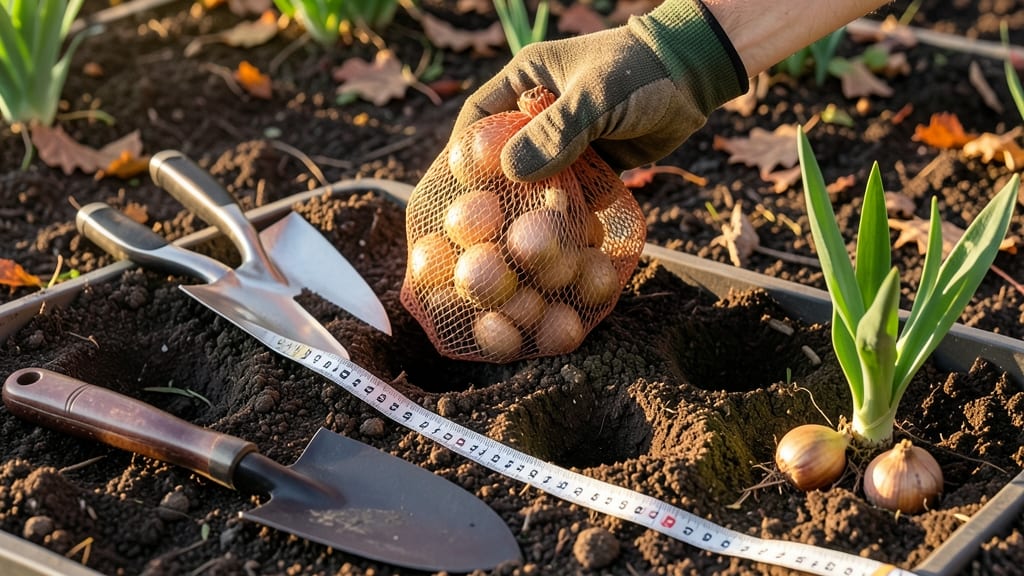
If you've ever wondered "when do you plant tulips in Oklahoma", timing is everything—get it wrong, and you might end up with soggy bulbs or missed spring blooms. Oklahoma’s Zone 7A/7B climate demands precision, especially when early frosts or late freezes can throw off your entire garden plan.
The key to success lies in planting 🌷 tulips between October and November, giving bulbs time to root before winter sets in. But with Oklahoma’s unpredictable weather, knowing the exact frost-free window—whether you're in a cooler microclimate or a milder stretch—makes all the difference.
I’ll break down the critical deadlines for both sub-zones, plus smart adjustments for late planters and how to prep your soil for maximum bloom potential. Let’s make sure your tulips burst into color come spring, not flop.
From soil prep to post-planting care, you’ll learn the exact steps to ensure your tulips thrive—no guesswork, just vibrant results. Ready to dig in?
Oklahoma tulip planting deadlines by zone 7A vs 7B (exact dates)
Oklahoma’s Zone 7A/7B climate creates a tight window for planting tulips—too early and bulbs rot, too late and blooms arrive late. The key is planting 6-8 weeks before ground freezes, which varies by 10-14 days between these zones.
For Zone 7A, colder microclimates mean earlier deadlines, while Zone 7B offers a slightly extended window.
Most Oklahoma gardeners aim for mid-October to early November, but exact dates depend on your specific location’s frost history. Check your local first frost date (typically November 15 for Zone 7A, November 25 for Zone 7B) and count backward. Bulbs need time to establish roots before winter sets in.
If you miss the ideal window, don’t panic—late November is still viable for Zone 7B, but Zone 7A may need protective measures like extra mulch. For early bloomers, plant September 15-October 15 to ensure they flower before summer heat arrives.
🌷 Oklahoma Tulip Planting Deadlines by Zone
| Zone | Ideal Planting Window | Backup Window | First Frost Date | Notes |
|---|---|---|---|---|
| Zone 7A | October 15–November 1 | November 1–15 (with mulch) | November 15 | Colder microclimates; use 4-6 inches of mulch for late plantings. |
| Zone 7B | October 20–November 10 | November 10–25 | November 25 | Milder winters; extends window for late bloomers. |
| Early Bloomers | September 15–October 15 | Not recommended | N/A | Plant 6-8 weeks earlier for April blooms. |
For Zone 7A gardeners, aim to finish planting by November 1 to avoid bulb rot from lingering warmth. Use a soil thermometer—bulbs should go in when soil temps drop below 60°F.
In Zone 7B, you have more flexibility, but don’t wait past November 25 unless you’re using a cold frame for protection.
Pro tip: Label your bulbs by variety and planting date. This helps track which tulips bloom earliest (like Darwin Hybrids) and which need extra care (like Parrot tulips, prone to late-season heat stress). Oklahoma’s April heat can scorch blooms, so plan for late March plantings of heat-tolerant varieties.
If you’re in a transition zone (e.g., near the Arkansas border), err on the side of earlier planting. Microclimates near lakes or urban areas can delay frost by 1-2 weeks. Always monitor local weather forecasts—unexpected warm spells in December can trick bulbs into sprouting too soon.
For container gardening, plant tulips in October and move pots to a garage or shed before consistent freezing temps (below 20°F). This extends your planting window into early December for Zone 7B. Just ensure pots have drainage holes to prevent bulb rot.
Remember: Tulips need cold dormancy to bloom. If Oklahoma experiences an unusually mild winter, your tulips may skip flowering. In this case, chill bulbs in the fridge for 8-10 weeks at 35-45°F before replanting in late winter.
Start with high-quality bulbs—Oklahoma’s clay-heavy soil benefits from amended beds with compost or sand for drainage. Add a 2-inch layer of mulch after planting to insulate bulbs and retain moisture during fall’s erratic rains.
This simple step can mean the difference between vibrant blooms and flopped stems next spring.
How to adjust tulip planting for Oklahoma’s unpredictable weather patterns
Oklahoma’s weather can be as unpredictable as a tulip’s bloom cycle—one day it’s 70°F, the next it’s freezing. If you’ve ever missed the planting window or faced an early frost, you know how quickly things can go wrong.
The key is flexibility: knowing how to adjust planting dates, protect bulbs, and even replant if needed.
First, always check the soil temperature before planting. Tulip bulbs need the ground to be below 60°F (about 4-6 weeks before frost). Use a soil thermometer—if it’s too warm, bulbs may sprout prematurely and rot in cold soil.
In Zone 7A, aim for mid-October; in Zone 7B, you’ve got until early November.
If an early frost threatens, don’t panic. Mulch heavily with straw or leaves (3-4 inches) to insulate bulbs. This adds 10-15°F protection and prevents soil heaving.
For late planters, container planting is a lifesaver—bury pots in the ground for winter, then move them to a garage or cold frame until spring.
⚠️ Warning: Common Mistakes That Kill Tulips in Oklahoma
- Planting too early in warm soil → rot risk (bulbs need cool temps to root).
- Skipping mulch in winter → frost heaving (bulbs pop out of soil).
- Overwatering after planting → soggy soil (leads to bulb rot).
- Ignoring late freezes → damaged sprouts (wait until soil warms in spring).
Pro tip: If sprouts emerge in late winter but a frost is forecast, cover them with burlap until temperatures stabilize.
For Zone 7A gardeners in cooler microclimates (like the Ozark Mountains), push planting to late October—earlier plantings may rot if soil stays warm. In Zone 7B (e.g., Oklahoma City), you can stretch deadlines to mid-November, but stop if ground freezes.
Use a frost clock or local agricultural extension alerts for real-time updates.
If you miss the window entirely, don’t toss those bulbs! Store them in a cool, dark place (like a garage or fridge) until next fall.
Plant them as soon as soil temps drop, and they’ll catch up with bulbs planted on time. Just avoid refrigeration—bulbs need dormancy, not hibernation!
Finally, fertilize lightly in spring (March) with a balanced 10-10-10 mix to boost bloom size. Skip fall feeding—tulips need to store energy, not grow foliage, before winter. With these adjustments, your tulips will bloom reliably year after year, no matter Oklahoma’s mood swings.