
Plants
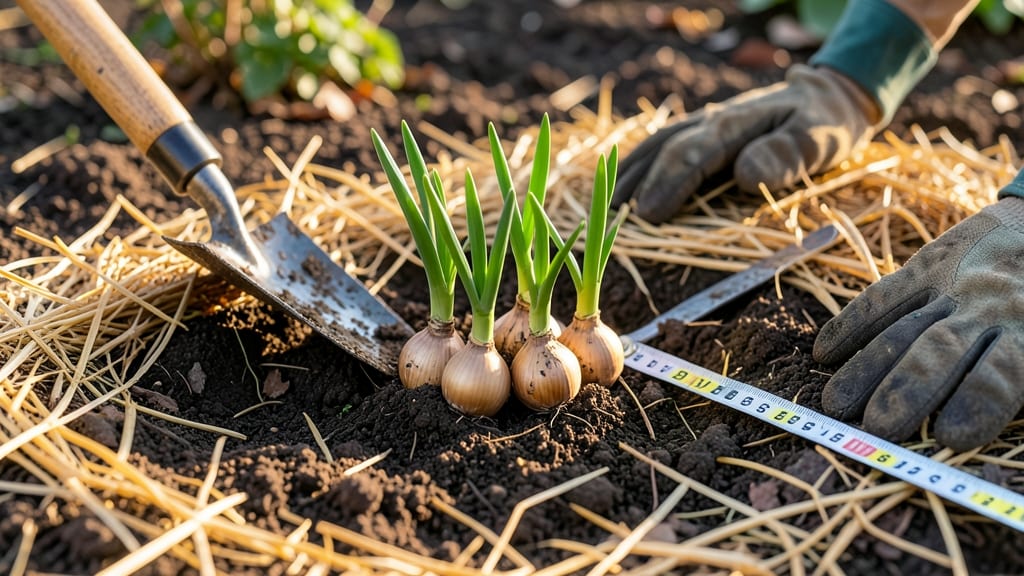
When can you plant tulips in the ground at the wrong time can mean the difference between a burst of 🌷 color next spring and a sad, wilted disappointment. The key isn't just following a calendar—it's understanding your local climate and the chill-hour needs of your bulbs, especially if you're in Zone 6a like me.
Most gardeners know fall is the time to plant, but the exact window varies by region. In cooler areas, you've got a longer stretch from October through November, while warmer zones might need to plant earlier or even in winter.
The secret? Getting those bulbs in the ground when the soil is cool but not frozen—typically 4-6 weeks before your first frost.
I've learned the hard way that planting too early can expose bulbs to summer heat, while waiting too long risks them rotting before winter sets in. The good news? With a few simple checks—like soil temperature and your local frost dates—you can nail the perfect timing every time.
Let me walk you through how to do it right for your garden.
Whether you're a first-time planter or a seasoned gardener, these insights will help you avoid common mistakes and ensure your tulips get the cold treatment they need to bloom beautifully. Ready to transform your garden next spring? Let's get started.
How chill-hour requirements determine your tulip planting window
Tulips aren't just picky about soil conditions or sunlight exposure—they demand a precise cold exposure to bloom. This is where chill hours come into play. Most tulip varieties need 12-16 weeks of temperatures between 32-45°F (0-7°C) to trigger flowering.
Without enough chill, you’ll get foliage but no flowers, leaving you staring at green leaves instead of vibrant blooms.
Think of chill hours like a dormancy requirement. Just as you need 7-9 hours of sleep for optimal health, tulips need their cold period to "rest" and prepare for spring.
The exact number varies by variety—Darwin hybrids might need 4,500-6,000 chill hours, while species tulips can thrive with as few as 2,000 hours. This is why your USDA hardiness zone matters so much.
To find your local chill hours, check the USDA Plant Hardiness Zone Map and cross-reference it with historical weather data from your region. Tools like the National Oceanic and Atmospheric Administration (NOAA) website or apps like Plantify can calculate this for you.
For example, Zone 5 typically accumulates enough chill by early November, while Zone 8 might need to plant in winter to meet the requirement.
Here’s the catch: Planting too early exposes bulbs to frost heave (when soil freezes and thaws, pushing bulbs out of the ground), while planting too late risks bulbs sprouting before winter sets in.
The goal is to plant 4-6 weeks before the ground freezes, giving roots time to establish but not enough time to grow above ground.
🌱 Tulip Chill-Hour & Planting Guidelines
| Variety Type | Chill Hours Needed | Ideal Planting Window | Zone Examples |
|---|---|---|---|
| Darwin Hybrids | 5,000-6,000 hours | October-November (Zones 3-7) | 3, 4, 5, 6 |
| Species Tulips | 2,000-3,000 hours | November-January (Zones 7-9) | 7, 8, 9 |
| Early Bloomers (e.g., 'Early Harbinger') | 3,000-4,000 hours | September-October (Zones 4-6) | 4, 5, 6 |
| Late Bloomers (e.g., 'Black Parrot') | 6,000+ hours | October-November (Zones 3-5) | 3, 4, 5 |
💡 Pro Tip: If you’re in Zone 8 or warmer, consider winter planting (December-February) to mimic natural chill cycles.
For gardeners in warmer climates, like Southern California or Florida, traditional fall planting won’t work because the ground rarely freezes. Instead, you’ll need to pre-chill bulbs in your fridge for 8-12 weeks before planting in winter.
This mimics the natural cold period tulips require. Store bulbs in a paper bag in the crisp drawer (35-40°F) of your fridge, and plant them as soon as they’re chilled.
Even if you live in a cooler climate, soil temperature is just as critical as air temperature. Use a soil thermometer to ensure the ground is below 60°F (15°C) before planting.
If it’s warmer, bulbs may sprout prematurely and get damaged by frost. Aim for 50-60°F (10-15°C) soil temps for ideal root establishment.
One common mistake is assuming that early fall is always the best time. In Zone 9 or 10, planting in September might mean bulbs sprout before winter arrives, leading to weak or no blooms.
Instead, wait until November or December to plant. The key is to align planting with your local frost dates, not a fixed calendar month.
If you’re unsure about your chill hours, start with hardy varieties like 'Iceland' or 'Fosteriana', which tolerate lower chill requirements. These are great for Zone 3-5 gardeners who want reliable blooms even with shorter winters. For warmer zones, opt for 'Greigii' or 'Kaufmanniana'
Zone-by-Zone planting schedule for fall tulip success
Planting tulips at the right time depends entirely on your USDA hardiness zone. In my Zone 6a, I aim for late October to mid-November, but gardeners in warmer climates may need to adjust.
The golden rule? Plant bulbs when soil temperatures drop below 60°F (15°C)—this prevents premature sprouting and ensures they get the 12-16 weeks of cold they need.
Northern zones (3-5) have a longer window—September through October—while Southern zones (7-9) often plant in winter (December-February) to avoid summer heat. Even within the same zone, microclimates matter: coastal areas may stay milder longer than inland spots.
Always check your local first frost date and plant 4-6 weeks before it hits.
Here’s a quick breakdown of ideal planting windows by zone to help you avoid common timing mistakes:
| Zone | Ideal Planting Window | Critical Deadline | Key Consideration |
|---|---|---|---|
| 3-4 | Mid-September to October | Before ground freezes | Early frost risk; use mulch |
| 5-6 | Late October to November | 4-6 weeks before frost | Balanced chill hours |
| 7-8 | December to January | Before soil warms above 60°F | Avoid summer heat stress |
| 9-10 | January to February | When soil cools below 60°F | Winter planting essential |
For example, in Zone 7, I’ve seen gardeners plant as late as January with success, but the soil must stay cool. If you’re in doubt, use a soil thermometer—aim for 50-60°F (10-15°C).
Pro tip: In Zone 6a, if your soil stays warm past November, opt for dwarf varieties, which need fewer chill hours.
One mistake I made early on was planting in September—the bulbs sprouted too soon and wilted in a late heatwave. Now, I mark my calendar for November 1st as my cutoff, unless we get an early frost.
Always prioritize soil temperature over calendar dates—it’s the real indicator of success.
Finally, if you’re in a warmer microclimate (like a city heat island), consider planting in shadier spots or using black plastic mulch to cool the soil faster. The goal is to mimic the natural fall cooling tulips rely on for dormancy.