
Plants
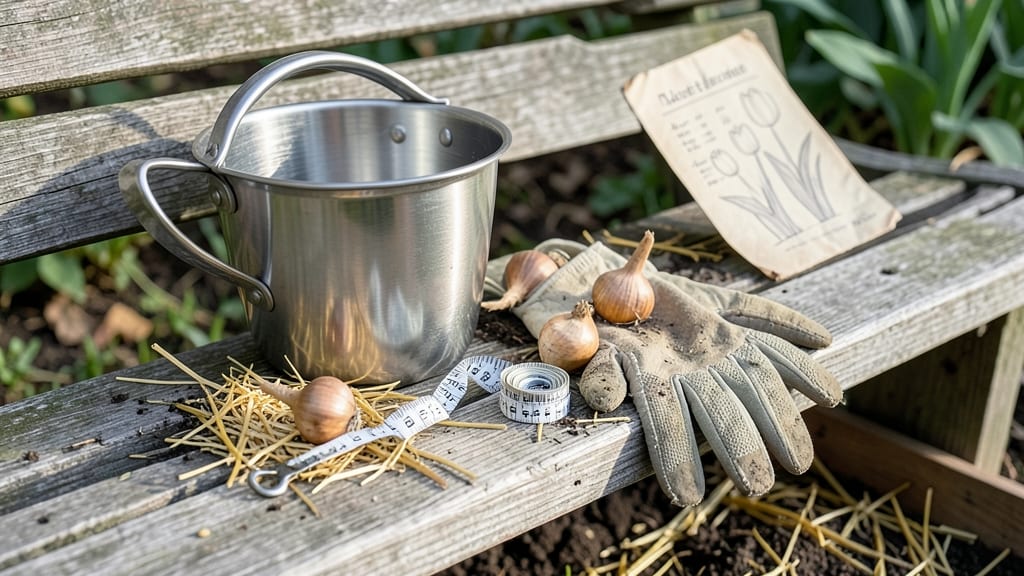
Planting your 🌷 tulip bulbs in the ground at the wrong time means waiting another year for those showstopping spring blooms—and nobody wants that! The perfect window depends on your hardiness zone and how many cold hours your tulips need to thrive.
In most regions, like my USDA Zone 6a, the ideal time falls between October and November, when soil temperatures dip but the ground stays workable. But here's the catch: tulips need 1200-1500 hours below 45°F to bloom properly, so timing varies by variety and location.
Whether you're in a cooler northern climate or a milder southern zone, I'll show you exactly when to plant for perfect blooms next spring. You'll learn how to read your local frost dates, adjust for early vs. late bloomers, and avoid common mistakes that sabotage tulip success.
Let's dive into the chill-hour rules and planting strategies that will give you the vibrant display you're dreaming of—without the guesswork. Your garden's springtime magic starts now!
Tulip planting timeline by USDA hardiness Zone (with chill-hour requirements)
Planting tulip bulbs at the right time is all about understanding your USDA hardiness zone and the chill-hour requirements of your specific varieties. Most tulips need between 1,200 to 1,500 hours below 45°F to bloom properly.
If you plant too early, bulbs may sprout and freeze. Too late, and they won't get enough cold exposure to flower.
For example, in Zone 3 (like Minnesota or northern New York), you can plant as early as September—but in Zone 10 (like Southern California), you might need to wait until December.
The key is to plant when soil temperatures drop to 40-50°F and about 6-8 weeks before the first frost.
To calculate your local chill hours, check NOAA's climate data for your area or use a simple minimum-maximum thermometer to track temps below 45°F. Most tulips thrive with 1,200-1,500 chill hours, but some varieties (like Darwin Hybrids) need even more.
Tulip Planting Timeline by USDA Zone
| Zone | Planting Window | Chill Hours Needed | Soil Temp Trigger | Notes |
|---|---|---|---|---|
| 3-4 | Late September - Early October | 1,400-1,600 hrs | 40-45°F | Plant early to avoid early sprouting |
| 5-6 | Mid-October | 1,200-1,400 hrs | 45-50°F | Ideal for most tulip varieties |
| 7-8 | td style="padding: 10px; border: 1px solid #ddd;">Late October - Early November1,000-1,200 hrs | 50-55°F | Use mulch to extend planting window | |
| 9-10 | December - Early January | 800-1,000 hrs | 55-60°F | Plant in winter; avoid summer heat |
If you're in a warmer zone (7-10), consider planting tulip bulbs in containers and moving them to a cooler spot during winter. This mimics the chill hours they need.
For example, in Zone 9, you might plant in December and move pots to a garage or shaded patio if temps rise above 60°F.
For northern climates (Zones 3-5), aim to plant by mid-October to ensure bulbs establish roots before winter. Use a soil thermometer to confirm temps are consistently below 50°F—this is your signal to plant. In colder zones, mulch heavily after planting to protect bulbs from freezing.
Pro tip: If you miss the ideal window, you can still plant tulips in late fall (even January in mild zones), but expect smaller blooms or delayed flowering. The earlier you plant, the more robust your tulips will be the following spring.
Always plant bulbs 3x deeper than their height (e.g., a 2-inch bulb goes 6 inches deep) and space them 4-6 inches apart for best results. This ensures they have room to grow and access to nutrients.
Finally, remember that tulip varieties differ in chill requirements. For instance, Darwin Hybrids need more chill hours than Parrot tulips. Check the seed packet or bulb catalog for specifics before planting.
With the right timing, your tulips will reward you with vibrant spring blooms that last for weeks—just don’t forget to deadhead spent flowers to encourage next year’s growth! 🌷
Tulip planting timeline by USDA hardiness Zone (with chill-hour requirements)
Your USDA hardiness zone determines the perfect window for planting tulip bulbs, but it's not just about the calendar—it's about chill hours. Most tulips need 1200-1500 hours below 45°F to bloom properly.
In Zone 3-5, aim for October 15-November 15, while Zones 6-8 can plant until December 1.
For Zones 9-10, the challenge is different—plant in November-December when soil cools below 60°F, or use refrigeration tricks for 8-12 weeks before planting. The key is getting bulbs in the ground 6-8 weeks before frost so they establish roots before winter.
Here's how to calculate your local chill hours: Use a minimum-maximum thermometer or check NOAA climate data for your area. Count hours below 45°F from planting until spring. If your region gets fewer than 1200 hours, choose low-chill varieties like Darwin Hybrids or Fosteriana tulips.
| Zone | Planting Window | Chill Hours Needed | Soil Temp Goal |
|---|---|---|---|
| 3-5 | October 15-November 15 | 1200-1500 hrs | 40-50°F |
| 6-8 | November 1-December 1 | 1200-1400 hrs | 50-60°F |
| 9-10 | November-December | 800-1200 hrs | Below 60°F |
Pro tip: In warmer climates, plant bulbs in containers and refrigerate them for 8-12 weeks before planting. This mimics natural chill hours. For example, in Zone 10, I've had success planting Christmas tulips in December after chilling them for 10 weeks.
Don't wait until the ground freezes—frozen soil makes planting difficult and can damage bulbs. Instead, plant when soil is cool but workable (around 60°F). In Zone 6a, that's usually mid-October—just in time for holiday shopping!
Remember: Early planting gives bulbs time to root before winter, while late planting risks weak growth. Aim for 6-8 weeks before frost for the best results. Your tulips will thank you with bold, vibrant blooms next spring! 🌷