
Plants
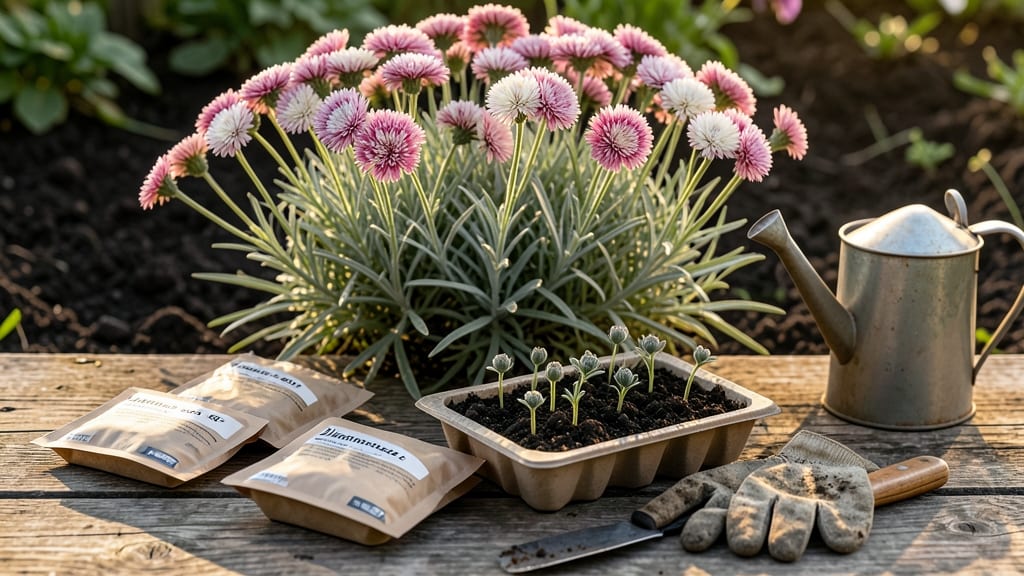
Timing when to plant dianthus seeds in Australia can make all the difference between a thriving garden and a struggle. With Australia’s diverse climates—from cool southern regions to tropical north—the right window ensures strong seedlings and vibrant blooms.
If you’re in southern Australia, aim for August to October when temperatures are mild and frost risks fade. Northern gardeners should plant between February and April, aligning with the cooler months before summer heat arrives.
Getting this wrong could mean battling frost damage or wilting seedlings in extreme heat. I’ll walk you through the best months for your zone, soil prep tips, and how to adjust for early or late starts—so you can enjoy fragrant, long-lasting flowers all season.
Ready to transform your garden? Let’s dive into the perfect planting schedule for your climate and avoid common mistakes that hold back growth.
Best months to plant dianthus seeds by australian climate zone
Australia’s varied climates mean dianthus seeds thrive in different seasons depending on where you live. In temperate zones like Sydney or Melbourne, aim for late winter to early spring (August–October), when soil warms but frost risks fade.
Meanwhile, subtropical areas such as Brisbane can plant in late winter to early autumn (June–August), avoiding summer’s scorching heat. For tropical regions like Cairns, February–April offers ideal cool-dry season conditions for germination.
Always check your local last frost date—planting too early in frost-prone areas can kill delicate seedlings. For example, Perth’s last frost typically occurs by May 15, while Melbourne’s lingers until September 15.
Use these dates as your guide to avoid cold damage. Soil temperature also matters: dianthus seeds germinate best in 15–20°C soil, so wait until the ground warms naturally.
Here’s a quick breakdown of the best planting windows by climate zone to help you plan:
| Climate Zone | Best Planting Months | Soil Temp (°C) | Key Considerations |
|---|---|---|---|
| Temperate (e.g., Sydney, Melbourne, Adelaide) | August–October | 15–20 | Avoid frost; use shade cloth if needed. |
| Subtropical (e.g., Brisbane, Gold Coast) | June–August | 18–22 | Plant in cooler months to escape summer heat. |
| Tropical (e.g., Cairns, Darwin) | February–April | 20–25 | Use shade and mulch to retain moisture. |
If you’re in a transition zone like Canberra or Hobart, err on the side of caution. Start seeds indoors in July and transplant outdoors after the last frost date (typically late September).
This gives seedlings a head start and reduces transplant shock. For coastal areas, like Perth or Adelaide, watch for dry winds—mulch heavily to retain moisture during germination.
Dianthus seeds are tiny, so surface-sow them without covering—light aids germination. Keep seed trays in a warm, shaded spot until sprouts appear (usually 10–20 days). Once seedlings have 2–3 true leaves, they’re ready to harden off before moving outdoors.
Harden off gradually over 7–10 days to prevent stress from temperature swings.
For container gardening, plant seeds in well-draining potting mix and place pots in a sunny spot with afternoon shade if temperatures exceed 30°C. Containers dry out faster, so monitor soil moisture closely.
Use a humidity dome or plastic wrap to retain moisture until germination. Once established, containers need daily watering in summer to prevent wilting.
In drought-prone regions, like parts of Western Australia, consider drip irrigation to deliver water directly to roots. This method reduces evaporation and ensures consistent moisture without overwatering. Pair it with organic mulch (like straw or wood chips) to lock in soil moisture and suppress weeds.
Mulch also regulates soil temperature, protecting roots from extreme heat or cold.
Remember, dianthus flowers thrive with full sun (6+ hours daily), but seedlings benefit from partial shade during their first few weeks. Gradually introduce them to direct sunlight to avoid leaf scorch.
Once established, these hardy plants reward you with fragrant blooms from late spring to autumn—just plant at the right time! 🌸
Best months to plant dianthus seeds by australian climate zone
Australia’s climate zones create three distinct windows for planting dianthus seeds. Southern regions like Victoria and Tasmania thrive with August-October sowing, while Perth’s Mediterranean climate favors May-July. Northern gardeners in Queensland and Northern NSW should aim for February-April to avoid summer heat stress.
Key factor? Soil temperature—dianthus needs 10-20°C for germination. Use a soil thermometer if unsure. In cool coastal areas, extend planting to November for second-season blooms.
🌱
| Climate Zone | Ideal Planting Months | Soil Temp (°C) | Key Considerations |
|---|---|---|---|
| Southern Temperate (Melbourne, Adelaide) | August-October | 10-18°C | Avoid frost; use cloche protection |
| Mediterranean (Perth, Sydney) | May-July | 12-20°C | Water deeply; mulch to retain moisture |
| Subtropical (Brisbane, Gold Coast) | February-April | 15-22°C | Shade seedlings from midday sun |
| Tropical (Cairns, Darwin) | June-July | 20-25°C | Use well-draining mix; avoid waterlogging |
For container growing, adjust timing by 4-6 weeks earlier—containers warm faster. In high-altitude areas (e.g., Canberra), delay until mid-September to escape late frosts.
Pro tip: Pre-sprout seeds indoors 6 weeks before outdoor planting. Use seedling trays with cactus mix for fast germination.
Missed the window? Don’t panic—dianthus seeds can self-sow in mild climates. Just scarify seeds (lightly scratch) to break dormancy for late planting.