
Plants
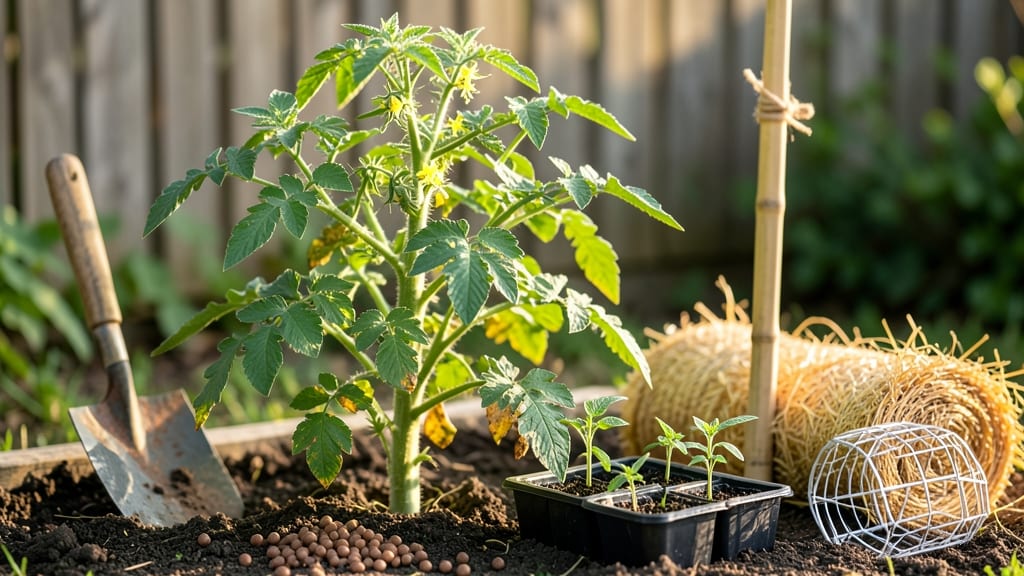
Timing your tomato planting in Pennsylvania isn’t just about following a calendar—it’s about catching that sweet spot between frost risk and summer heat. Get it wrong, and you’ll either watch your seedlings shrivel in a late freeze or struggle with blight from too-hot soil.
But nail the window, and you’re rewarded with juicy, vine-ripping 🍅 harvests from July through October.
Most Pennsylvania gardeners in zones 5b-7a should aim to transplant seedlings after April 15, once nighttime temps stay above 50°F and soil hits 60°F. That’s when your plants can finally focus on growing instead of surviving.
Whether you’re starting seeds indoors in March or buying sturdy transplants, the clock starts ticking—and missing it means smaller yields or weaker vines.
Here’s the game-changer: your exact zone matters. Southern PA (like zone 7a) can push planting to early June, while northern areas (zone 5b) need to be in the ground by late May.
We’ll break down the best dates for your corner of the state, plus how to adjust for early vs. late varieties so you’re not left with green tomatoes when fall hits.
Ready to avoid the 5 biggest planting mistakes that derail PA gardeners? From skipping soil tests to ignoring humidity spikes, I’ll show you how to time it right—so your tomatoes thrive from seed to sauce bowl.
Pennsylvania tomato planting dates by hardiness zone (5a-7a)
Pennsylvania spans USDA zones 5a through 7a, meaning your tomato planting window varies dramatically from the Poconos to Philadelphia. In colder zone 5a (northwest PA), you’ll plant 2-3 weeks later than in zone 7a (southeast PA).
The key metric? Last average frost date—wait until after this to transplant seedlings outdoors.
Most PA regions experience their last frost between April 15 and May 15. However, late frosts can hit May 10 in zone 5a and May 25 in zone 6a.
Planting too soon risks frost damage to young tomato plants, which can’t recover. Use row covers if you’re eager to start earlier in cooler zones.
For indoor starts, begin seeds 6-8 weeks before your last frost date. In zone 5a, that means March 1-15, while zone 7a gardeners can start April 1-15. Seedlings need 12+ hours of light daily to prevent leggy growth.
Direct sowing tomatoes is less common but works in zone 6a/7a after May 1. Choose fast-maturing varieties (60-70 days) like Early Girl or Stupice for shorter seasons. Soil temperature must reach 60°F—use a soil thermometer to confirm.
| Zone | Last Frost Date | Indoor Start Window | Outdoor Transplant | Best Varieties |
|---|---|---|---|---|
| 5a (Poconos, NE PA) | May 10 | March 1-15 | May 20-June 1 | Stupice, Glacier |
| 6a (State College, Harrisburg) | May 1 | March 15-April 1 | April 25-May 15 | Brandywine, Cherry |
| 7a (Philadelphia, Pittsburgh) | April 15 | April 1-15 | April 15-May 1 | Sun Gold, Roma |
In zone 5a, prioritize cool-tolerant varieties like Stupice or Glacier, which handle 45°F nights. Meanwhile, zone 7a gardeners can grow heat-loving types like Brandywine or Sungold with confidence. Always check your local microclimate—urban areas like Philadelphia warm up faster than rural zones.
Use mulch (straw or black plastic) to warm soil faster in cooler zones. This lets you transplant 1-2 weeks earlier while protecting roots. In zone 6a/7a, you can even try succession planting—add a second batch of seedlings in early June for a fall harvest.
PA’s humidity and variable weather demand extra vigilance. If a late frost warning appears, cover plants with frost cloth or move containers indoors temporarily. Heat waves in July can stress plants, so provide afternoon shade if temperatures exceed 90°F.
For container gardening, plant 1-2 weeks later than in-ground tomatoes—containers cool faster. Use self-watering pots to maintain consistent moisture, a critical factor for fruit set. In zone 5a, consider greenhouse starts for a 3-week head start.
Track your frost-free days—PA averages 165 days between frosts. Longer seasons in zone 7a allow for two plantings: one in April and another in early July for fall tomatoes. Use row covers to extend the season into October if needed.
How to adjust planting timing for early vs. late varieties in PA
Not all tomato varieties thrive on the same schedule in Pennsylvania’s unpredictable climate. Early varieties like Stupice can handle cooler soils and shorter seasons, while heat-loving types like Brandywine need warmer conditions to set fruit.
The key is matching your planting window to your variety’s tolerance—and Pennsylvania’s microclimates make this even trickier.
For cool-tolerant varieties, start seeds indoors by March 1 and transplant outdoors as early as late April in southern PA (zone 7a). These tomatoes can handle 50°F nighttime temps and even light frosts once established.
Northern PA gardeners (zone 5b) should wait until May 1 to avoid frost damage to tender seedlings.
Heat-loving varieties demand patience. Seedlings started indoors by March 15 won’t be ready for transplanting until mid-May in most of PA. If you’re growing cherry tomatoes or beefsteak types, delay planting until after May 15 in cooler zones to ensure they don’t bolt or struggle in early summer’s heat.
Here’s the biggest adjustment for PA gardeners: extend your season with row covers or cold frames for early varieties, or choose determinate types that ripen faster. For late varieties, focus on soil warming (black plastic mulch works wonders) and drip irrigation to keep roots cool during heatwaves.
- ✅ Plant March 1 indoors
- ✅ Transplant late April–May 1
- ✅ Tolerates 50°F+ nights
- ✅ Faster harvest (60-70 days)
- ✅ Plant March 15 indoors
- ✅ Transplant mid-May–June 1
- ✅ Needs 60°F+ soil
- ✅ Slower harvest (80-90 days)
One common mistake is assuming all tomatoes need the same timing. Cherry tomatoes (like Sweet 100) often ripen faster and can handle later plantings, while heirloom types need the full growing season.
Check your seed packet for days to maturity—subtract 60 days from your first frost date (October 15 in PA) to calculate your last possible transplant date.
For maximum yield, stagger plantings: Start with early varieties in April, then add mid-season types in May, and finish with late varieties in early June. This successive planting strategy ensures tomatoes ripening all summer and into fall—just in time for salsa season!