
Plants
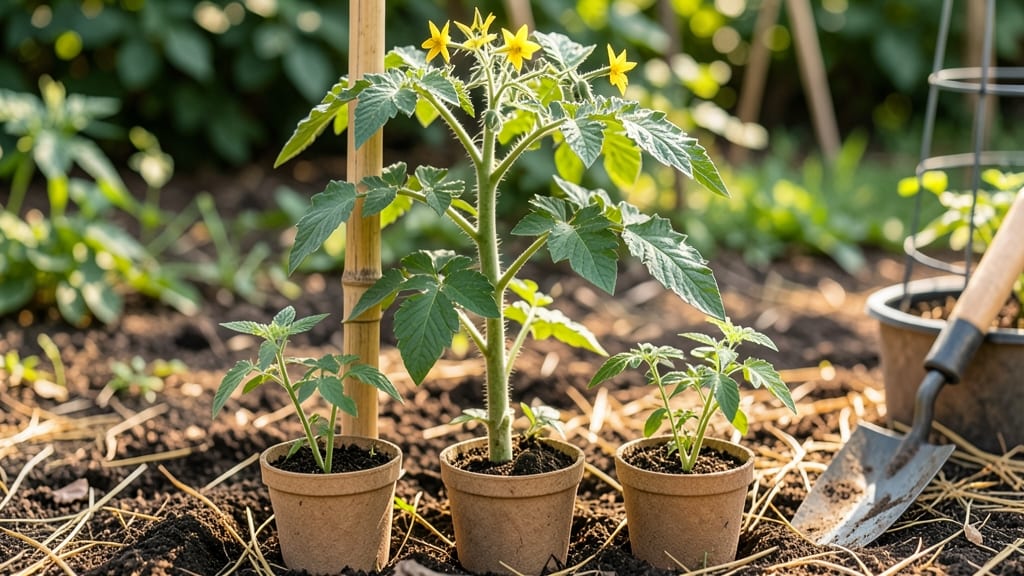
Timing is everything when it comes to growing 🍅 tomatoes in California, and getting it wrong could mean the difference between a bountiful harvest and a sad, wilted plant.
California’s microclimates—from foggy coastlines to scorching deserts—create wildly different planting windows, and knowing the exact time for your region is the key to success.
Whether you're in USDA Zone 8-11 or a frost-free area like Southern California, planting too early or too late can stress your tomatoes and cut your yield short.
I’ll break down the ideal planting windows for coastal, valley, and desert regions, so you can avoid common mistakes and give your plants the best possible start.
From soil temperature checks to adjusting for local weather patterns, you’ll learn how to time your tomato planting like a pro. Ready to grow healthier, more productive plants? Let’s dive into the exact dates and strategies that work for California’s diverse growing conditions.
Whether you’re a seasoned gardener or just starting out, these insights will help you maximize your harvest and enjoy homegrown tomatoes all season long. No more guesswork—just proven techniques tailored to your corner of the Golden State.
California’s best tomato planting dates by region (coastal vs. valley vs. desert)
California’s diverse microclimates create a 3-month difference in ideal tomato planting times—from foggy coastal areas to scorching deserts. The key is soil temperature (wait for 60°F+) and last frost dates, which vary wildly. Let’s break it down by region so you can time your plantings for maximum yield.
For coastal regions (San Francisco, Santa Barbara), February-March is prime time thanks to milder winters. Inland Central Valley (Sacramento, Fresno) shifts to March-April to avoid late frosts, while Southern California (LA, San Diego) enjoys year-round planting in frost-free zones.
Desert areas like Palm Springs can start as late as April-May but need heat-tolerant varieties.
Here’s the region-specific breakdown with exact dates, frost-free calculations, and USDA zone adjustments to help you pick the perfect window:
| Region | USDA Zone | Last Frost Date | Ideal Planting Window | Notes |
|---|---|---|---|---|
| North Coast (SF, Sonoma) | 8-10 | January 15 - February 15 | February 1 - March 15 | Fog delays warming; use cold-hardy varieties like 'Stupice'. |
| Central Coast (Santa Barbara, Monterey) | 9-11 | January 1 - February 10 | February 15 - March 30 | Cooler nights; mulch heavily to retain heat. |
| Central Valley (Sacramento, Fresno) | 9-11 | February 15 - March 15 | March 1 - April 15 | Hot days, cold nights; black plastic mulch speeds soil warming. |
| Southern California (LA, San Diego) | 10-11 | December 15 - January 15 | January 1 - May 1 (year-round) | Frost-free; succession plant every 2 weeks. |
| Desert (Palm Springs, Joshua Tree) | 9-11 | February 1 - March 1 | April 1 - May 15 | Extreme heat; choose 'Heatmaster' or 'Solar Fire' varieties. |
🌱 Pro Tip: Always test soil temperature with a soil thermometer—60°F+ is non-negotiable for germination.
If you’re in a transition zone (like Santa Cruz or Bakersfield), err on the side of late planting. Coastal areas can still see light frosts in March, while inland deserts hit 90°F+ by May.
For container gardening, start 2 weeks earlier—pots heat up faster and dry out quicker.
Another critical factor is day length. Tomatoes thrive with 14+ hours of daylight, which hits California by late May. Planting too early in short-day conditions (common in coastal winters) can delay fruiting by 3-4 weeks.
Use grow lights for indoor starts if you’re pushing the early window.
For heirloom varieties like 'Brandywine' or 'Cherokee Purple', stick to the earlier windows—they need longer growing seasons (80-90 days). Cherry tomatoes ('Sungold', 'Sweet 100') are more heat-tolerant and can handle late spring plantings even in desert regions.
How to adjust planting times for your specific microclimate (fog, heat, OR altitude factors)
California’s microclimates create unique challenges for tomato growers. In foggy coastal areas like San Francisco, cold nights delay planting until March 15–April 15, while desert zones (e.g., Palm Springs) allow year-round planting with heat-tolerant varieties.
Altitude also matters—mountain gardens (e.g., Lake Tahoe) may need to wait until May 1 due to late frosts.
For coastal fog belts, choose cold-hardy varieties like 'Stupice' or 'Mountain Merit' to extend your season. These can handle 40°F nights and even tolerate light frosts. In contrast, desert regions thrive with heat-set varieties such as 'Heatmaster' or 'Solar Fire', which resist 95°F+ temperatures without wilting.
Urban heat islands (e.g., Los Angeles) create their own microclimate. Here, shade cloth can protect seedlings from intense afternoon sun, while drip irrigation keeps roots cool.
If you’re in a high-altitude valley (e.g., Sacramento), monitor soil temperature—it must reach 60°F before planting, often 2–3 weeks later than coastal areas.
If you’re in a transition zone (e.g., Santa Barbara), split your planting: start heat-tolerant varieties in early spring and cold-hardy types in late winter. This staggered approach ensures a continuous harvest from June to October.
For container growers, use black plastic pots to warm soil faster in cooler climates.
Altitude adjustments are critical too. Every 1,000 feet gain adds 3–5°F to your climate. In high-desert areas (e.g., Reno), wait until May 15 to avoid late spring frosts, which can kill young plants.
Meanwhile, lowland valleys (e.g., Bakersfield) may plant as early as February 15 if using row covers for protection.
Pro tip: Use a soil thermometer—tomatoes won’t germinate well below 60°F, even in warm climates. If your soil is too cold, mulch heavily with straw to insulate roots and speed up warming.
For extreme heat zones, opt for determinate varieties (bush types) like 'Roma' or 'Celebrity', which ripen faster in 100°F+ conditions.