
Plants
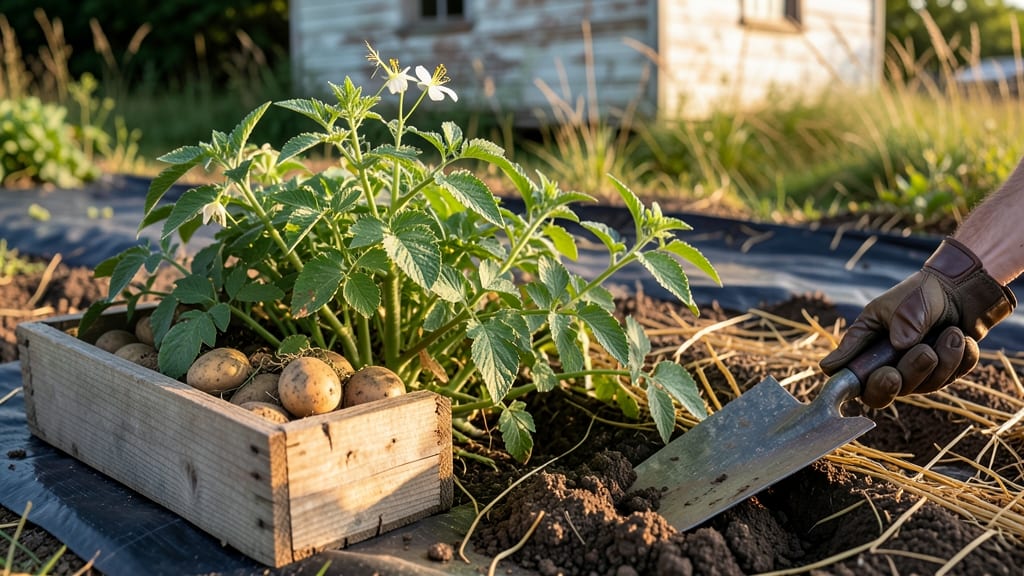
When do you plant potatoes in Virginia? Timing your potatoes 🥔 just right isn’t just about luck—it’s the difference between a bountiful harvest and wasted effort. With Virginia’s 7a-8a zones, you’ve got a narrow window to plant before frost strikes or summer heat sets in, and getting it wrong means smaller yields or even crop failure.
Most gardeners in Virginia start planting seed potatoes as early as January or February, but the exact timing depends on your specific zone and whether you’re growing early, mid-, or late-season varieties.
Too soon, and frost will damage tender sprouts; too late, and you’ll miss the sweet spot for peak harvest between June and October.
I’ll break down the perfect planting schedule for your zone, including soil temperature tips and how to adjust for Virginia’s unpredictable spring weather. Whether you’re a first-time gardener or a seasoned pro, these insights will help you maximize your potato yield—without the guesswork.
Ready to dig in? Let’s get your potatoes in the ground at the ideal time for big, healthy tubers that’ll last all winter.
Virginia potato planting dates by USDA Zone (5b to 8a)
Virginia’s USDA zones 5b to 8a create a unique challenge for potato growers. Unlike northern states, we don’t just worry about frost—we also face long, humid summers that demand the right timing.
The key? Planting 2-4 weeks before your last frost date, but with a twist: soil temperature matters just as much as calendar dates.
In Zone 5b (northwest mountains), you can start as early as February 15th for cold-hardy varieties like ‘Kennebec,’ while Zone 8a (southeast coastal areas) may wait until March 15th to avoid heat stress.
The Piedmont region (Zone 6b-7a) splits the difference, with ideal planting between March 1st and April 15th.
Here’s the golden rule: Wait until soil temperatures reach 45°F (7°C). Cold soil slows sprouting, while warm soil (above 60°F/15°C) can stress young plants. Use a soil thermometer to check—it’s your best friend for zone-specific timing.
Microclimates add another layer. Valleys and low-lying areas (like the Shenandoah Valley) often frost later than higher elevations. If you’re unsure, plant a test row in late February—if it survives, you’ve got your window!
Harvest windows vary too. Early varieties (like ‘Red Norland’) may be ready by June 15th in Zone 7a, while late varieties (like ‘Russet Burbank’) might wait until October 1st in Zone 8a. The goal? Harvest before first frost—or risk frost-damaged tubers.
🌱
| USDA Zone | Ideal Planting Window | Soil Temp Requirement | Last Frost Date | Harvest Window |
|---|---|---|---|---|
| 5b (NW Mountains) | Feb 15 – Mar 15 | 45–50°F (7–10°C) | Apr 15 – May 1 | Jun 1 – Jul 15 |
| 6a (SW Mountains) | Feb 28 – Mar 30 | 45–55°F (7–13°C) | Apr 1 – Apr 15 | Jun 15 – Aug 1 |
| 7a (Piedmont) | Mar 1 – Apr 15 | 50–55°F (10–13°C) | Apr 15 – May 1 | Jul 1 – Sep 15 |
| 7b (Central VA) | Mar 15 – Apr 1 | 50–60°F (10–15°C) | Apr 1 – Apr 10 | Jul 15 – Sep 30 |
| 8a (SE Coastal) | Mar 15 – Apr 15 | 55–60°F (13–15°C) | Mar 15 – Apr 1 | Aug 1 – Oct 1 |
Adjust for microclimates—for example, Coastal Plain areas (like Hampton Roads) can plant 2 weeks earlier than inland Richmond due to milder winters. Conversely, mountain valleys may need to delay until after April 15th to avoid late frosts.
Pro tip: Use row covers or cold frames to extend your planting window in colder zones. This lets you plant as early as January for varieties like ‘Red LaSoda,’ which thrives in cool soils. Just remove covers when plants sprout to prevent overheating.
For container growing, aim to plant 3-4 weeks after your last frost—containers warm up faster and can’t regulate temperature like in-ground beds. Use black plastic mulch to speed up soil warming in cooler zones.
🌿
How to time potato planting for Virginia’s frost and heat risks
Virginia’s unpredictable spring weather can turn your potato planting plans upside down. In Zone 5b, late frosts linger until mid-April, while Zone 8a might see frost as late as early May.
Planting too early risks frost damage to tender sprouts, but waiting too long cuts your harvest window short. The key? Time your planting so tubers sprout 2-4 weeks before the last frost—when soil temps hit 45°F (7°C).
Use row covers or cold frames to extend your season in colder zones. These protect young plants from 28°F (-2°C) frosts and let you plant 4-6 weeks earlier than usual.
For example, in Zone 6a, you could start in early February with protection, while Zone 7b gardeners might wait until mid-March.
Heat is another silent threat. In Zone 8a, summer temps can exceed 90°F (32°C), stressing potatoes. Choose heat-tolerant varieties like ‘Yukon Gold’ and plant late-season types in June for a fall harvest.
Mulch heavily with straw or grass clippings to keep soil cool and moist—this prevents scab disease and helps tubers grow evenly.
⚠️ Critical Frost and Heat Risks
- Frost Damage: Sprouts die at 28°F (-2°C)—wait until soil warms to 45°F (7°C).
- Late Planting: Tubers won’t mature before first frost (Oct-Nov).
- Heat Stress: Soil temps above 85°F (29°C) stunt growth.
- Disease Risk: Wet, hot conditions cause blight and scab.
Pro Tip: Monitor local frost dates via Virginia Cooperative Extension or Almanac tools.
To prepare seed potatoes, chit them (sprout in light) for 4-6 weeks before planting. Place them in a cool, bright spot—this jumpstarts growth and ensures faster emergence after frost.
Cut larger seed potatoes into 2-ounce pieces, each with 2-3 eyes, and let them cure for 24 hours to prevent rot.
Soil prep is just as critical. Potatoes thrive in loose, well-draining soil with a pH of 5.0-6.5. Work in compost or aged manure 2 weeks before planting to boost fertility.
Avoid fresh manure—it can burn roots and attract pests. If your soil is heavy clay, mix in sand or peat moss to improve drainage.
Finally, plan for successive planting to stretch your harvest. In Zone 6a, plant early varieties in March and late varieties in June. This ensures a steady supply from June through October.
Use shade cloth in peak summer to protect young plants from intense sun and reduce water stress.
With these adjustments, you’ll outsmart Virginia’s climate and enjoy a reliable potato harvest every season. The secret? Start early, protect from frost, and adapt for heat—just like the pros do.