
Plants
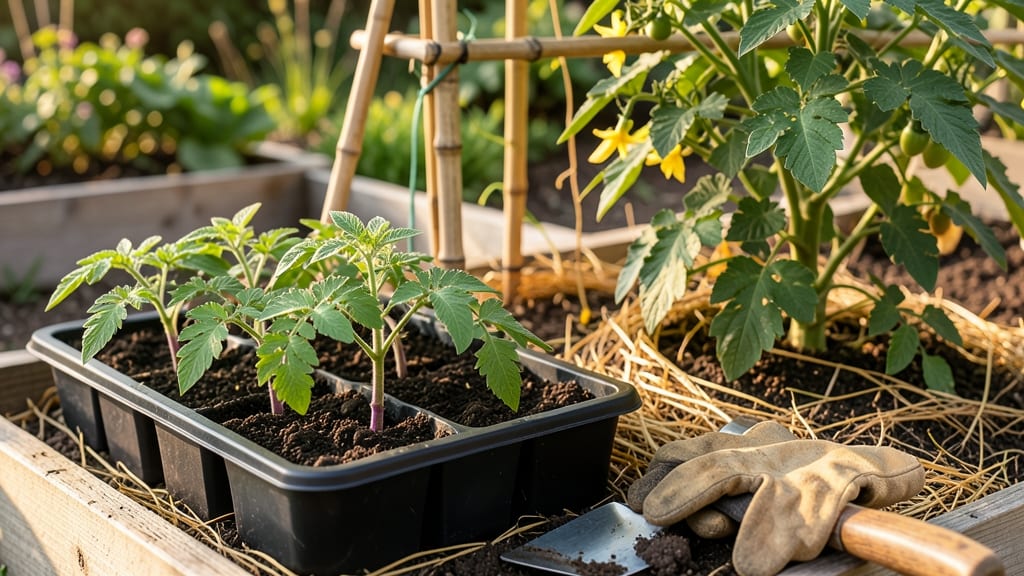
Planting tomatoes in Missouri isn’t just about grabbing seeds and sticking them in the dirt—it’s about nailing the perfect timing to beat frost and maximize your harvest.
With USDA zones 5b-6b and unpredictable springs, getting those seedlings in the ground too early could mean lost plants, while waiting too long might shrink your yield. The key?
Starting 6-8 weeks indoors or transplanting after soil warms to 60°F—typically between April 15 and May 15—to give your 🍅 tomatoes the head start they need.
Missouri’s climate throws a curveball, though. Some years, frost lingers into late April, while others bring heat waves by June. That’s why knowing your local frost dates—and whether you’re in St. Louis, Kansas City, or the Ozarks—makes all the difference.
Whether you’re growing cherry tomatoes for snacks or beefsteak varieties for sandwiches, timing your plantings right ensures faster germination and bigger harvests from June through October.
Here’s the game-changer: even if you miss the ideal window, you can still extend your season with row covers or cold frames. And don’t overlook fall plantings—some varieties thrive when seeded in July or August for a second harvest before the first frost hits.
Let’s break down the exact dates, soil prep tips, and pro tricks to turn your Missouri garden into a tomato powerhouse.
Ready to skip the guesswork? I’ll walk you through zone-specific schedules, soil temperature secrets, and the best tomato types for Missouri’s short-but-sweet growing season. By the end, you’ll know exactly when to plant—and how to get those 🍅 vines producing faster than ever.
Missouri planting zones: exact tomato start dates by county
Missouri’s USDA zones 5b-6b create a 10-14 day window for planting tomatoes, depending on whether you start seeds indoors or transplant seedlings. The key is knowing your last frost date—typically late April in northern Missouri and mid-April in southern regions—and adjusting for your specific county’s microclimate.
For example, St. Louis gardeners can push planting dates 1-2 weeks earlier than those in Columbia or Kansas City.
If you’re growing heirloom varieties like Brandywine or cherry tomatoes such as Sweet 100, timing is critical—these varieties need 70-90 days to mature. Planting too late means you’ll miss the summer harvest window before early fall frosts hit in October.
Meanwhile, heat-resistant hybrids like Celebrity or Heatmaster can tolerate slightly later starts, giving you flexibility if spring is slow to warm up.
For indoor starts, begin seeds 6-8 weeks before your last frost date. This means mid-February for northern Missouri and late February for southern regions. Use grow lights to provide 14-16 hours of light daily until seedlings are ready to transplant.
If you’re direct-sowing outdoors, wait until soil temperatures reach 60°F+, usually mid-April to early May, depending on your location.
Here’s a quick reference for Missouri’s major regions:
| Region | Last Frost Date | Indoor Start (Seeds) | Transplant Outdoors | Direct Sow Outdoors |
|---|---|---|---|---|
| Northern MO (e.g., St. Joseph, Kirksville) | Late April | Mid-February | May 1-15 | After May 15 |
| Central MO (e.g., Columbia, Jefferson City) | Mid-April | Late February | April 20-May 5 | After May 1 |
| Southern MO (e.g., Springfield, Poplar Bluff) | Early April | Late February | April 15-May 1 | After April 20 |
| St. Louis Metro | Mid-April | Late February | April 25-May 10 | After April 25 |
Pro tip: Check your local Missouri Extension office for hyper-local frost data. Urban areas like St. Louis can experience microclimates that delay frost by 3-5 days compared to rural zones.
For example, the Missouri Botanical Garden often records frost dates that differ from official USDA averages by up to a week.
If you’re gardening in containers, start seeds 2 weeks later than your zone’s recommended transplant date. Potted tomatoes warm up more slowly and are more vulnerable to temperature fluctuations. Use black plastic mulch or row covers to protect seedlings if nighttime temps dip below 50°F after transplanting.
For fall planting, Missouri gardeners can squeeze in a second crop of fast-maturing varieties like Early Girl or Patio Princess. Plant seeds indoors in early July and transplant by mid-August, aiming to harvest before the first frost in October.
This works best in southern Missouri, where the growing season extends 10-14 days longer than northern areas.
Remember: Soil temperature matters more than air temperature. Use a soil thermometer to confirm 60°F+ before transplanting. Cold soil slows root growth and increases
How to time tomato planting for fast germination and high yields
Timing your tomato planting isn’t just about the calendar—it’s about soil temperature, seedling strength, and Missouri’s unpredictable weather. The secret to faster germination? Keeping your seeds in soil that’s consistently 60°F or warmer.
If your soil hits that mark by early April, you can start direct sowing. But if frost lingers (like it often does in northern Missouri), indoor starts are your best bet.
I’ve found that using a heat mat under seed trays can shave 5-7 days off germination time—critical when Missouri’s last frost can arrive as late as April 15.
Place your trays on the heat mat once soil temps dip below 60°F, and watch those seeds pop in 5-10 days instead of the usual 2 weeks. Pro tip: Use a seedling heat mat with a built-in thermometer to monitor temps precisely.
Missouri gardeners often make two critical mistakes: planting too early and rushing the hardening process. I’ve seen seedlings wilt and die when transplanted before soil warms, or when moved outdoors too quickly.
To avoid this, start hardening off your seedlings 7-10 days before the last frost. Begin with 2 hours of shade and gradually increase exposure, ending with full sun by transplant day.
Another pro trick? Use burlap sacks or shade cloth to protect young plants from late spring frosts. Even if your area is frost-free, a sudden 32°F dip can devastate tender seedlings.
I’ve saved entire batches by covering plants with frost blankets at night—just remove them by 10 AM to let sunlight in.
For fastest yields, pair your planting schedule with succession planting. Sow a second batch of seeds 2-3 weeks after your first planting to ensure a continuous harvest from June through October.
And if you’re growing heirloom varieties with longer maturity times, consider starting them indoors in February for an early jump.
Remember, Missouri’s short growing season means every day counts. By mastering soil temps, hardening off, and protecting your plants, you’ll cut 2-3 weeks off your time-to-harvest—giving you more time to enjoy those juicy 🍅 tomatoes before the first frost hits.