
Plants
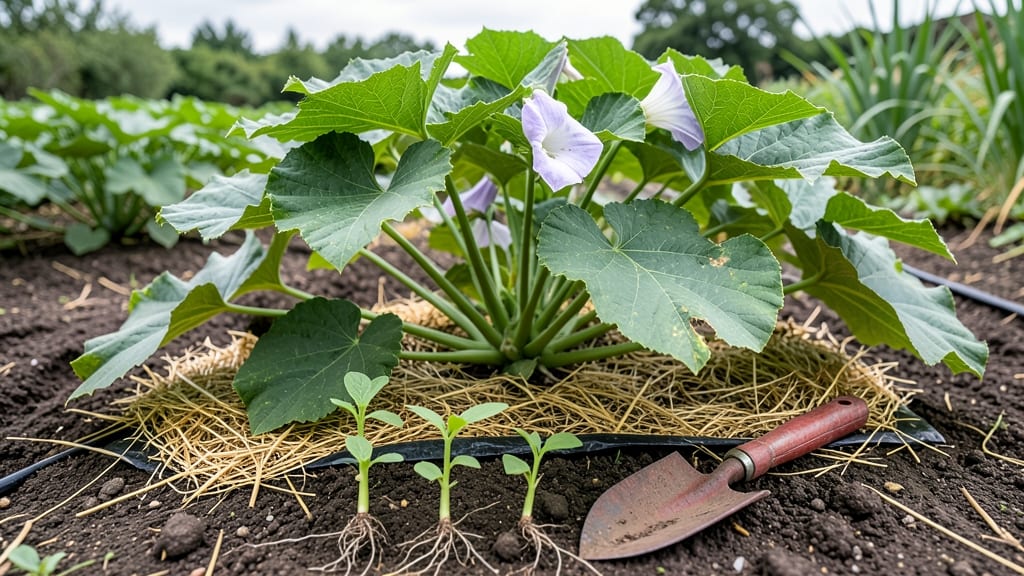
If you’ve ever wondered when to plant sweet potatoes in Florida, timing is the secret to avoiding slow germination and maximizing your harvest.
Unlike cooler climates, Florida’s frost-free zones and long growing season give you two prime windows—spring and summer—but getting it wrong can mean struggling with heat stress or poor yields.
Here’s the game-changer: Plant your 🍠 slips when soil temperatures hit at least 65°F, typically between March and May for a fall harvest or August and September for a winter one.
Florida’s 9a-11 zones mean you can skip the guesswork, but regional microclimates (like the Panhandle vs. Miami) still demand local tweaks for fast germination and healthy vines.
What sets Florida apart is how humidity and heat interact with sweet potatoes—too early, and your slips rot; too late, and you risk stunted growth.
I’ll break down the exact steps to prepare your plants for Florida’s climate, from soil prep to watering schedules, so you can avoid common pitfalls and enjoy a bumper crop.
Ready to grow sweet potatoes like a pro? Let’s dive into the heat-zone schedule that’ll have your tubers thriving in no time—without the trial and error.
Florida heat-zone planting schedule for sweet potatoes (with germination tips)
Florida’s climate offers two perfect windows for planting sweet potatoes: spring and late summer. Unlike many crops, sweet potatoes thrive in the state’s heat zones 8A-10B, but timing directly impacts germination speed and harvest success.
In North Florida (zones 8A-9A), cooler springs mean slower soil warming, while South Florida (zones 10A-10B) can plant earlier due to warmer conditions year-round.
The key to fast germination is soil temperature. Sweet potatoes need soil at at least 65°F (18°C) to sprout consistently.
In most of Florida, this aligns with mid-March to early May for spring plantings and mid-August to early September for fall plantings. Panhandle growers often wait until late April to avoid late-spring frosts, while Miami gardeners can plant as early as February.
Pro Tip: Use a soil thermometer to confirm readiness. If your soil is below 65°F, wait—cold soil delays germination by weeks. In Central Florida (zones 9A-9B), aim for early April to balance warmth and rainfall patterns.
Florida’s humidity and heat can also stress young slips. After planting, maintain consistent moisture (but avoid soggy soil) and provide light shade during the first week to reduce transplant shock.
Once established, sweet potatoes love full sun—6+ hours daily—but their vines will sprawl, so plan for 3-4 feet of space between plants.
Here’s how Florida’s regions break down for optimal planting:
| Florida Region | USDA Zone | Best Planting Window | Soil Temp Goal | Germination Time |
|---|---|---|---|---|
| North Florida (Panhandle) | 8A-9A | Late April–Early May | 65–70°F | 10–14 days |
| Central Florida | 9A-9B | Early April–Mid-May | 65–75°F | 7–10 days |
| South Florida (Miami) | 10A-10B | February–March | 70–75°F | 5–7 days |
| Fall Planting (All Regions) | 8A–10B | Mid-August–Early Sept | 65–70°F | 8–12 days |
For faster germination, soak sweet potato slips in water for 12–24 hours before planting. This hydrates the roots and kickstarts growth. In drier inland areas (like Ocala or Gainesville), mulch with straw or pine needles to retain moisture and regulate soil temperature.
Conversely, in coastal regions with high humidity, avoid mulching too heavily to prevent fungal diseases like black rot.
One common mistake Florida gardeners make is planting too early in spring. If you plant in February in North Florida, cold snaps can stunt growth or kill young slips. Instead, wait until mid-April when nighttime temperatures consistently stay above 55°F (13°C).
Similarly, fall plantings should wrap up by early September to allow tubers to mature before cooler weather sets in.
Extend your harvest season by using row covers or shade cloth during extreme heat. Sweet potatoes grow best when daytime temps are 75–90°F (24–32°C). If summer temps exceed 95°F (35°C), provide afternoon shade to protect vines and preserve soil moisture.
This is especially critical in South Florida’s summer, where heat stress can reduce yields.
Remember: Sweet potatoes are not frost-tolerant, but Florida’s lack of frost means you can focus solely on heat and humidity management. With the right timing, you’ll enjoy a long harvest window from October through March, depending on your planting date.
🌱
Florida heat-zone planting schedule for sweet potatoes (with germination tips)
Florida’s warm climate makes sweet potatoes a great choice, but planting timing varies by region. North Florida’s cooler heat zones 8A-9A need earlier starts, while South Florida’s zones 10A-11 can plant year-round. The key is waiting until soil temperatures hit 65°F—cold soil delays germination and invites rot.
For fastest growth, aim for March-April in North Florida and August-September for a fall harvest. South Florida gardeners can plant February-March or August-September to avoid summer’s peak heat. Slips (young plants) are easier to grow than seeds, and starting them indoors gives you a head start.
| Heat Zone | Best Planting Window | Soil Temp Requirement | Germination Time |
|---|---|---|---|
| 8A-9A (Panhandle) | March 15 - April 30 | 65°F+ (use black plastic mulch) | 14-21 days |
| 9B-10A (Central) | February 15 - April 15 | 60°F+ (warmer soil speeds growth) | 10-14 days |
| 10B-11 (South Florida) | August 1 - September 15 | 65°F+ (avoid summer’s 90°F+) | 7-10 days |
In North Florida, use black plastic mulch to warm soil faster. Lay it down 2-3 weeks before planting to raise temperatures by 5-10°F.
For South Florida, focus on shade cloth during August’s hottest afternoons to prevent slips from wilting. Morning watering (before 10 AM) keeps roots cool and encourages faster germination.
If you miss the spring window, don’t worry—August-September is Florida’s second planting season. Just choose heat-tolerant varieties like Beauregard or Centennial, which handle summer’s humidity better. Avoid planting in June-July when soil temps often exceed 85°F, causing slips to rot.
For extended harvests, try a two-season approach: plant slips in March for a fall harvest and again in August for a winter harvest.
Succession planting every 2-3 weeks ensures a steady supply. Just remember: overcrowding reduces yields, so space slips 12-18 inches apart in rows 3 feet apart.
Watch for yellowing leaves or stunted growth—signs of poor soil temps or fungal issues. If slips take longer than 3 weeks to sprout, check soil moisture and consider covering with row fabric to retain heat.
With the right timing, Florida’s sweet potatoes can yield 5-10 lbs per plant—worth the patience!