
Plants
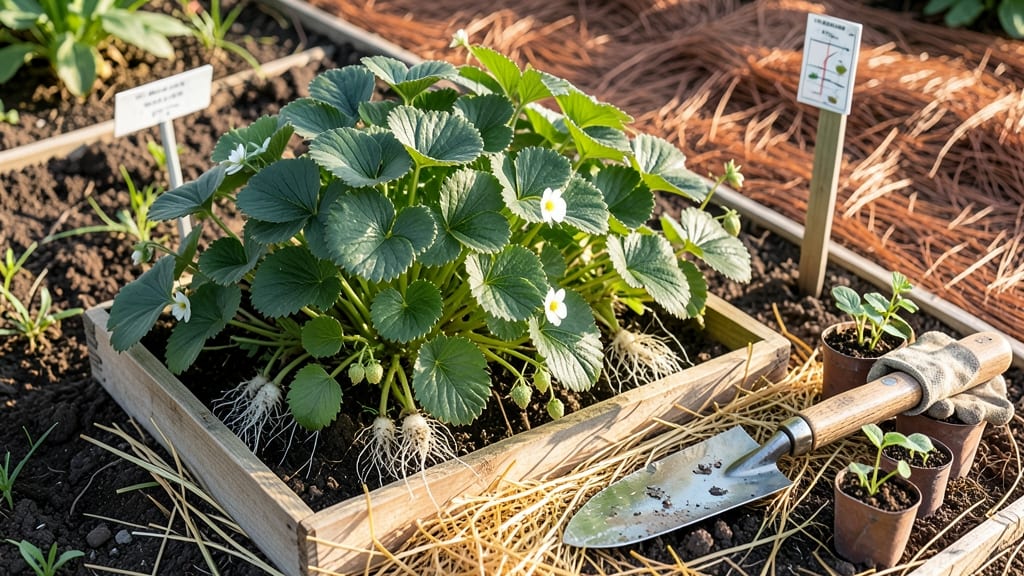
Planting strawberries in Virginia at the wrong time can mean the difference between a juicy, abundant harvest and wasted effort. With Virginia's Zone 7b climate, timing is everything—too early, and frost will nip your tender plants, while too late might delay your sweet rewards.
Most gardeners in Virginia know the classic rule: plant in spring or fall, but the exact window matters more than you think.
Whether you're a first-time grower or a seasoned gardener, understanding when to plant—like late February to April for spring or September to October for fall—can make all the difference.
In this guide, I'll break down the best planting times based on Virginia's frost dates, soil conditions, and even the type of strawberry variety you're growing. You'll learn how to align your planting schedule with nature's rhythm to ensure your 🍓 strawberries thrive from the start.
Ready to grow the most delicious strawberries Virginia has to offer? Let's dive into the perfect planting times and pro tips to set your garden up for success.
Virginia Zone 7b frost dates & ideal strawberry planting windows
Understanding Virginia’s Zone 7b frost dates is the first step to planting strawberries successfully. The last average frost date in most Virginia regions falls around mid-March, while the first frost typically arrives in mid-November.
These dates create two ideal planting windows: spring (February-April) and fall (September-October). Planting outside these windows risks frost damage or poor establishment.
For spring planting, aim to get strawberries in the ground 4-6 weeks before the last frost. This gives plants time to develop roots before warmer temperatures arrive. In Virginia’s Zone 7b, that means planting between late February and early April.
Fall planting, on the other hand, should occur 6-8 weeks before the first frost, landing you in September or early October.
Soil temperature is just as critical as air temperature. Strawberries thrive when soil reaches 45°F (7°C). Use a soil thermometer to confirm—planting too early in cold soil delays root growth. In Virginia, soil typically warms to this threshold by late March, aligning perfectly with the spring planting window.
Here’s a quick reference for Virginia’s strawberry planting calendar based on frost dates and soil conditions:
| Planting Window | Key Considerations | Action Steps |
|---|---|---|
| Spring (Feb-Apr) | Soil temp ≥45°F, last frost 4-6 weeks away | Prepare beds, plant crowns, mulch heavily |
| Fall (Sep-Oct) | First frost 6-8 weeks away, soil still warm | Plant established plants, mulch for winter protection |
| Avoid Planting | Late April-May or Nov-Dec | Risk of frost damage or poor root establishment |
Spring-planted strawberries in Virginia typically yield fruit by late May or June, while fall-planted varieties may produce a smaller crop the following spring. The key is matching your strawberry variety to the planting window—June-bearing types need the full spring window, while everbearing and day-neutral varieties offer more flexibility.
Pro tip: Use row covers or cold frames to extend your spring planting window by 2-3 weeks. This protects young plants from late frosts and gives you an earlier harvest. Just remove covers once daytime temperatures consistently stay above 50°F (10°C).
For gardeners in Virginia’s coastal regions (like Norfolk), frost dates may arrive slightly later, giving you an extra week or two for spring planting. Conversely, inland areas (e.g., Roanoke) can experience earlier frosts, so adjust your timeline accordingly. Always check local frost date maps for precision.
Never skip soil preparation before planting. Strawberries thrive in well-draining, slightly acidic soil (pH 5.5-6.8). Work in compost or aged manure 2-3 weeks before planting to enrich the soil. In Virginia’s clay-heavy soils, consider adding sand or peat moss to improve drainage.
Once planted, maintain consistent moisture—strawberries hate soggy roots but need steady water to fruit. In Virginia’s humid summers, mulch with straw or pine needles to retain moisture and suppress weeds. This is especially critical during the flowering and fruiting stages (April-June for spring plantings).
Timing your strawberry planting to Virginia’s Zone 7b frost dates and soil conditions sets the stage for a productive harvest. Whether you choose spring or fall planting, prioritize soil warmth, frost-free windows, and variety selection to maximize your berry bounty.
With the right approach, you’ll enjoy homegrown strawberries from May through July—or even later with everbearing types!
Best strawberry varieties for Virginia planting & their specific timing needs
Choosing the right strawberry variety for Virginia’s Zone 7b climate isn’t just about flavor—it’s about matching your planting schedule to the plant’s growth cycle. June-bearing, everbearing, and day-neutral varieties each have unique timing needs, and planting them at the wrong time can mean fewer berries or even crop failure.
For Virginia gardeners, June-bearing varieties like Chandler or Allstar are classic choices, but they demand precise timing—plant them in late February to early April for a spring harvest.
Everbearing types such as Ozark Beauty or Seascape offer two harvests per year, making them ideal for fall planting in September or early spring.
Day-neutral varieties like Seascape or Tristar are the most flexible, producing berries all season long if planted correctly. These thrive when set out in early spring (March-April) or late summer (August), avoiding Virginia’s unpredictable late-spring frosts.
Here’s how to align your planting with each variety’s needs for maximum yield in Virginia:
| Variety Type | Best Planting Window | Frost Tolerance | Harvest Time | Virginia Notes |
|---|---|---|---|---|
| June-Bearing | Late Feb - Early Apr | Moderate | May - June | Plant 4-6 weeks before last frost; mulch heavily for winter protection. |
| Everbearing | Sep - Early Oct | High | June & Sept-Oct | Fall planting avoids spring frost; remove old leaves after harvest. |
| Day-Neutral | Mar-Apr or Aug | Very High | June - Oct | Best for containers; continuous harvest if spaced properly. |
If you’re growing June-bearing varieties, aim to plant them by mid-April at the latest—any later, and your berries won’t ripen before Virginia’s summer heat sets in.
For everbearing types, a September planting gives roots time to establish before winter, while day-neutral varieties can handle Virginia’s heat better, making them perfect for August plantings.
Pro tip: Use straw mulch after planting to protect berries from rotting when they touch the soil—a common issue in Virginia’s humid summers. And if you’re in coastal Virginia, where springs are milder, you can push your spring planting window slightly later (up to mid-April) without frost risk.
Remember, the key to success in Virginia’s climate is adapting your timing to both the variety and your local microclimate. Whether you’re in the Piedmont or Tidewater, these adjustments will help you avoid the most common pitfalls and enjoy a longer, more productive harvest.