
Companion Plants
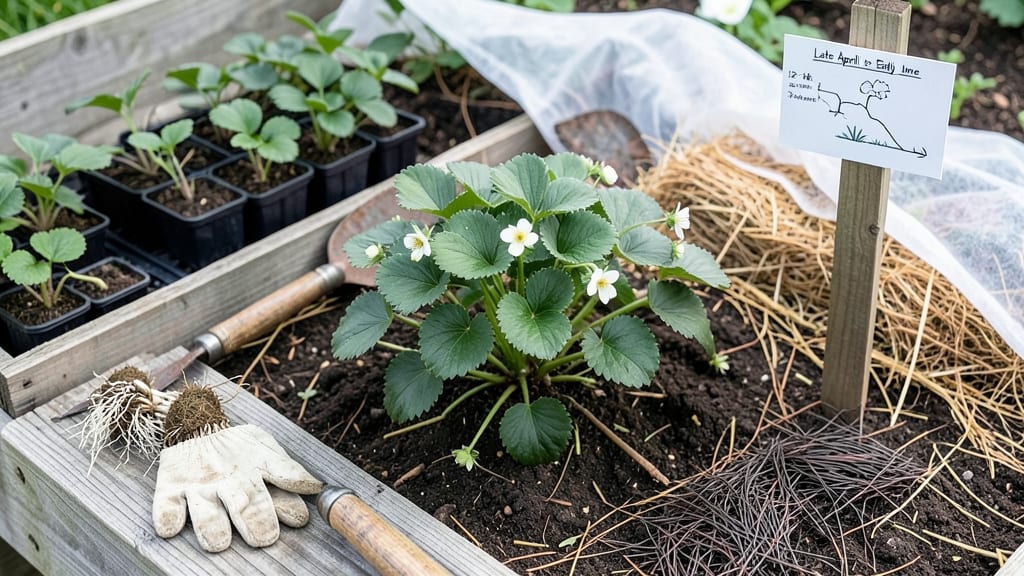
If you're wondering "when can I plant strawberries in Zone 6", timing is the secret to sweet, abundant harvests—because those juicy 🍓 berries won't wait forever for you to get it right.
Zone 6's mild climate gives you two prime windows to plant: early spring (March-April) or late summer (July-August). But plant too early, and frost will zap your tender crowns. Too late, and your strawberries might not establish roots before winter sets in.
I'll break down the exact dates that work best for your location, whether you're starting with bare-root plants or potted varieties. Plus, I'll share pro tips to adjust for unpredictable weather—because even the best-laid plans need backup when Zone 6 throws a curveball.
Ready to grow strawberries that taste like summer all season long? Let's get you planted at the perfect moment for maximum flavor and yield.

Best planting dates for strawberries in Zone 6 (spring vs fall)
Zone 6 gardeners have two prime windows for planting strawberries: early spring (March-April) and late summer (July-August). The difference between these seasons affects your harvest timing and yield potential, so choosing the right window depends on your goals.
Spring plantings yield fruit in June-August, while fall plantings produce berries the following spring and summer. Both approaches work in Zone 6, but timing around frost is critical.
For spring planting, aim to get strawberries in the ground 4-6 weeks before your last frost date (typically March 15-April 15 in Zone 6). This gives roots time to establish before warm weather arrives.
The key threshold is soil temperatures above 40°F—planting too early when soil is still cold stresses roots. Fall plantings, however, should happen 6-8 weeks before first frost (around July 15-August 15), allowing plants to root before winter dormancy.
Soil temperature is your most reliable guide. Use a soil thermometer to confirm readings: spring plantings need 45-50°F soil, while fall plantings thrive in 50-60°F soil. If your soil runs cooler, consider black plastic mulch or row covers to warm it faster. These adjustments can shift your planting window by 1-2 weeks, giving you flexibility when weather is unpredictable.
| Season | Ideal Planting Window | Soil Temp Requirement | Frost Risk | Harvest Time |
|---|---|---|---|---|
| Spring | March 15 - April 15 | 45-50°F | Low (post-last frost) | June - August |
| Fall | July 15 - August 15 | 50-60°F | Moderate (before first frost) | Next June - August |
🌱 Pro Tip: Everbearing varieties planted in spring and fall can produce two harvests per year!
Your strawberry variety also influences timing. June-bearing types (like Jewel or Honeoye) need the full spring window to establish before fruiting, while everbearing varieties (such as Seascape or Albion) tolerate fall planting better.
If you're unsure, check your plant tags—everbearing strawberries are your best bet for extended harvests in Zone 6.
Another critical factor is daylength. Strawberries are short-day plants, meaning they fruit best when days grow shorter. Fall-planted strawberries enter dormancy earlier, breaking dormancy in spring when days lengthen again. This natural cycle aligns perfectly with Zone 6’s 165 frost-free days, maximizing your growing season.
For spring plantings, focus on establishing roots before flowering—this prevents blossom end rot and ensures stronger yields.
If you're planting bare-root strawberries, soak roots in lukewarm water for 1-2 hours before planting to reduce transplant shock. For potted plants, avoid planting when roots are circling the pot—this signals stress.
Instead, choose container-grown plants with healthy white roots at the pot edges. Both types benefit from 1 inch of compost mixed into the planting hole for nutrient-rich soil.
Watch for late spring frosts, which can damage new growth. If frost is forecasted after planting, cover beds with frost cloth until temperatures stabilize. In fall, prioritize hardy varieties like Chandler or Ozark Beauty—these tolerate Zone 6 winters better than tender types.
Mulch with straw or leaves after planting to insulate roots and retain moisture during dry spells.
Remember: soil preparation is just as important as timing. Test your soil’s pH (ideal: 5.5-6.8) and amend with lime or sulfur if needed. Strawberries thrive in well-draining, slightly acidic soil, so avoid heavy clay without amendment.
A raised bed can improve drainage and warm soil faster in spring, giving you a 2-week head start on planting.
For container growing, plant in 5-gallon pots with drainage holes and use a lightweight potting mix. Containers warm up faster in spring, so you can plant 1-2 weeks earlier than in-ground beds.
Just ensure pots stay consistently moist—shallow roots dry out quickly. Place containers in full sun and rotate them weekly for even growth.
Finally, mark your planting dates on a garden calendar and track soil temperatures weekly. In Zone 6, March can swing between 30°F and 70°F, so flexibility is key. If early spring stays cold, wait for consistent 50°F days before planting.
Best planting dates for strawberries in Zone 6 (spring vs fall)
Zone 6 gardeners have two ideal windows to plant strawberries: early spring (March-April) and late summer (July-August). These timings align with soil temperatures and frost risks to give your plants the best start. Spring planting lets you harvest berries by mid-summer, while fall planting yields a late-season crop before winter.
The key factor is soil temperature—strawberries need soil that's at least 40°F (4°C) for roots to establish. In Zone 6, this typically happens by mid-March, but always check your local frost dates. Planting too early risks frost damage, while waiting too long may delay fruiting.
For bare-root plants, aim to plant as soon as soil is workable (usually 2-4 weeks before last frost). Potted strawberries can handle slightly cooler soil, giving you a 1-2 week extension in early spring.
Fall planting works best when you have 6-8 weeks before first frost to establish roots.
| Planting Window | Ideal Dates (Zone 6) | Soil Temp Requirement | Frost Risk |
|---|---|---|---|
| Spring Planting | Mid-March to early April | ≥40°F (4°C) | Low after last frost |
| Fall Planting | Late July to mid-August | ≥50°F (10°C) | Moderate (6+ weeks before frost) |
| Bare-Root Plants | 2-4 weeks before last frost | ≥35°F (2°C) | High if planted too early |
| Potted Plants | 1-2 weeks earlier than bare-root | ≥40°F (4°C) | Lower risk (protected roots) |
Your last frost date is critical—most Zone 6 areas experience it around April 15. Planting 4-6 weeks before gives roots time to establish before summer heat arrives. For fall, aim to finish planting by August 15 to ensure roots harden off before winter.
Pro tip: Use cold-hardy varieties like 'Honeoye' or 'Jewel' if you're pushing planting dates. These tolerate cooler soil better than standard types. Always check your microclimate—south-facing beds warm up faster than north exposures.
Remember, June-bearing strawberries planted in spring yield heavily in their second year, while everbearing varieties produce fruit the first year. Choose based on your patience and harvest goals!