
Plants
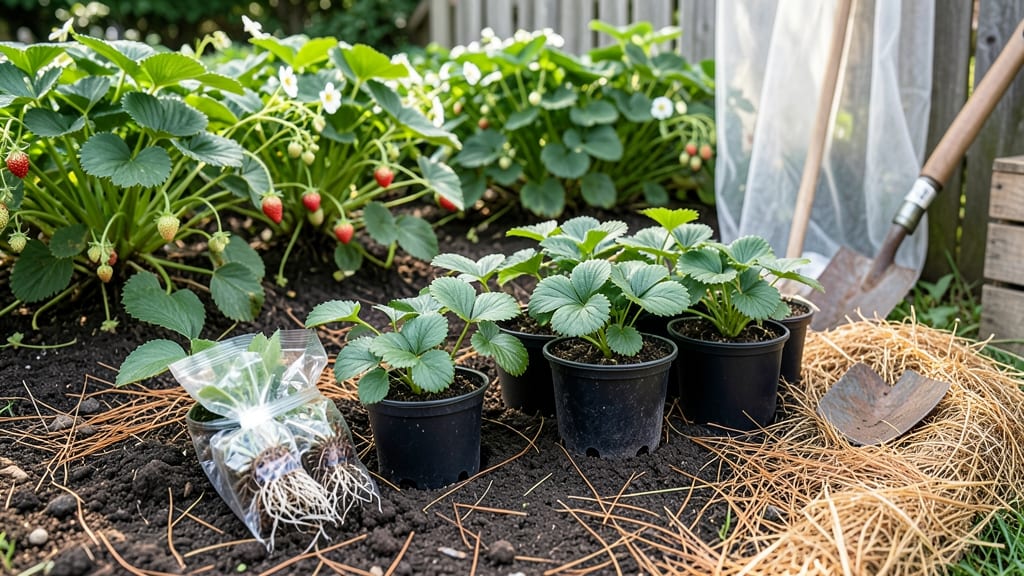
Planting strawberries in Tennessee at the right time can mean the difference between a bountiful harvest and struggling with frost damage or poor yields. With Tennessee's 6a-7b zones, timing is everything—whether you're growing 🍓 in the mountains or the valleys.
The best window for planting is early spring (March-April) or early fall (September-October), but local microclimates can shift those dates by weeks. Cold snaps in the highlands or urban heat islands can throw off your schedule if you're not prepared.
In this guide, I’ll break down exactly when to plant in your specific zone, how to adjust for Tennessee’s unpredictable weather, and which varieties thrive here. You’ll also discover how row covers and containers can extend your growing season for bigger harvests.
Ready to grow strawberries that outperform the neighbors? Let’s get started with the timing that works for your Tennessee garden.
Tennessee strawberry planting dates by USDA hardiness zones (5a-8a)
Timing your strawberry planting in Tennessee depends heavily on your USDA hardiness zone, which ranges from 5a in the Appalachians to 8a in the western plains.
In Zone 5a (e.g., Johnson City), you’ll need to plant 4-6 weeks before last frost—typically late February to early March—while Zone 8a (e.g., Memphis) can start as early as January for bare-root plants.
The key is ensuring soil temperatures reach 40°F and avoiding late frosts that can kill young plants.
For potted strawberries, Tennessee gardeners can plant 2-3 weeks earlier than bare-root varieties, as containers warm up faster. In Zone 6a-7a (covering Nashville and Knoxville), aim for March 1-30 for spring planting, with fall planting possible from September 15-October 15 for perennial varieties like 'Chandler' or 'Seascape'.
Fall-planted berries yield in late fall/winter, extending your harvest season.
Here’s the critical rule: Never plant strawberries when soil temps are below 40°F—roots won’t establish, and plants may rot. Use a soil thermometer to check; 50°F+ is ideal for active growth.
In Zone 7b+, you can even try January planting under row covers to jumpstart growth and avoid spring crowding.
🌱
Tennessee Strawberry Planting Timeline by Zone
| Zone | Spring Planting Window | Fall Planting Window | Soil Temp Requirement | Last Frost Risk |
|---|---|---|---|---|
| 5a (e.g., Johnson City) | Late Feb–Early Mar | Mid-Sept–Early Oct | 40–45°F | High (May 10) |
| 6a (e.g., Knoxville) | Early–Mid Mar | Late Sept–Mid Oct | 45–50°F | Moderate (Apr 15) |
| 7a (e.g., Nashville) | Mid–Late Mar | Mid–Late Oct | 50–55°F | Low (Apr 1) |
| 7b (e.g., Chattanooga) | Late Feb–Early Apr | Early Oct–Early Nov | 50–55°F | Very Low (Mar 15) |
| 8a (e.g., Memphis) | Jan–Early Mar | Sept–Mid Nov | 55–60°F | Minimal (Feb 15) |
In Zone 5a-6a, where late frosts are common, opt for June-bearing varieties like 'Sparkle' or 'Honeoye'—they produce a single massive harvest in late spring, reducing frost risk to your crop. Meanwhile, everbearing varieties (e.g., 'Seascape') thrive in Zone 7a-8a and yield two harvests per year: spring and fall.
For these zones, fall planting is a game-changer, giving you berries in October-November when stores run out.
Pro tip: If you’re in a transition zone (e.g., Zone 6b near the Cumberland Plateau), monitor local frost forecasts and use black plastic mulch to warm soil faster. This can shave 2-3 weeks off your planting timeline.
Pair this with a mini greenhouse or hoop tunnel to protect seedlings from unexpected cold snaps, which are more common in Tennessee’s valley regions.
For container gardening, Tennessee’s urban gardeners in Zone 7a-8a can plant strawberries year-round in pots, thanks to controlled soil temps. Just ensure containers have drainage holes and use a lightweight potting mix to prevent root rot.
In Zone 5a-6a, move pots to a garage or shed during winter to protect roots from freezing.
💧
One common mistake Tennessee gardeners make is planting too early, only to have seedlings rot in cold, wet soil. Always test soil moisture before planting—if it’s soggy, wait another week.
Another trick? Plant strawberries in raised beds filled with compost-rich soil; this warms up faster than in-ground beds and improves drainage. Add
How to adjust planting timing for Tennessee’s microclimates
Tennessee’s microclimates can shift strawberry planting dates by 3-4 weeks—even within the same county. If you live in the Appalachian foothills, expect later frost dates than Nashville’s urban heat island. The key is adapting your schedule based on elevation, urban heat, and local frost patterns.
For high-elevation gardens (above 1,500 ft), delay planting until mid-April to avoid late frosts. In lowland areas like Memphis, you can plant as early as late February for bare-root plants. Urban gardens often experience warmer microclimates, so monitor soil temps—plant when they hit 40°F consistently.
🌱
If you’re in a frost-prone pocket, consider June-bearing varieties planted in late summer (August) for a fall harvest. These mature faster and tolerate cooler temps better than everbearing types. For container growers, start potted plants indoors in February and transplant after last frost.
Pro tip: Plant strawberries near a south-facing wall—it adds 5-10°F warmth to the microclimate. Just avoid reflecting heat onto leaves during peak summer to prevent sun scorch. With these adjustments, you’ll maximize your harvest window regardless of Tennessee’s quirky weather patterns.
☀️