
Plants
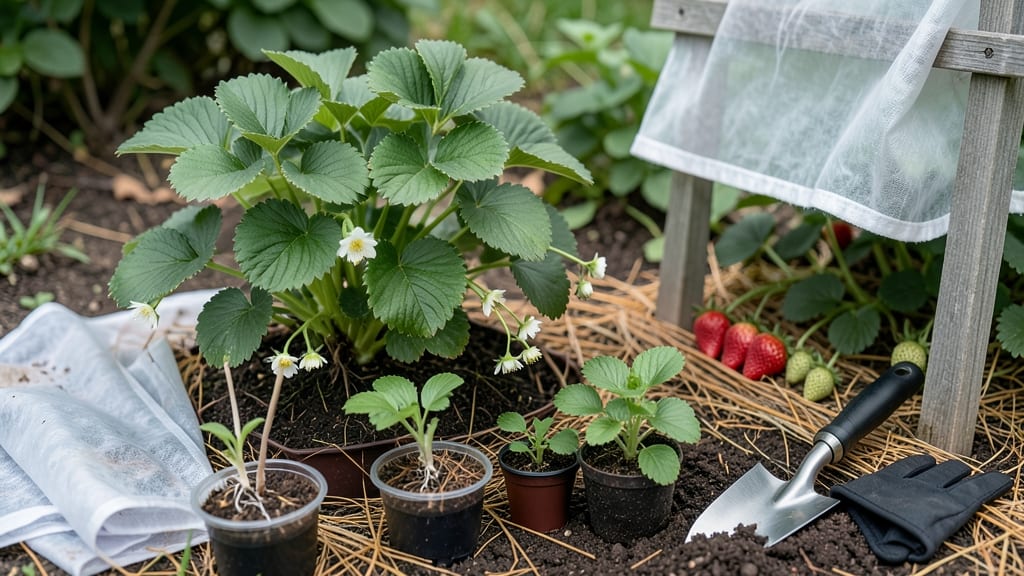
Timing your strawberry planting in Arkansas isn’t just about the calendar—it’s about beating the last frost while giving those sweet 🍓 plants the best shot at thriving in USDA Zone 7b. Plant too early, and a late freeze could wipe out your crop; too late, and you’ll miss the ideal growing window.
The key? Knowing whether to plant in early spring or late summer—and exactly when to do it for maximum yield.
Most Arkansas gardeners swear by planting strawberries in February or March, just as the soil warms but before the last frost (usually around March 15 in Zone 7a). But there’s another smart strategy: late summer planting in July or August for a fall harvest.
Both methods work, but the devil’s in the details—like soil prep, frost dates, and even humidity levels that can turn your strawberries into a fungal buffet.
This guide cuts through the guesswork with exact planting dates, soil prep steps, and Arkansas-specific tweaks to avoid common pitfalls.
Whether you’re a first-time gardener or a seasoned pro, you’ll learn how to align your planting schedule with Arkansas’ climate quirks—so you can enjoy homegrown strawberries that put store-bought to shame.
Ready to turn your backyard into a strawberry goldmine? Let’s dive into the perfect planting windows, soil secrets, and variety picks that’ll make your harvest the envy of the neighborhood.
Best planting dates for strawberries in Arkansas (Zone 7b): fall vs spring breakdown
Arkansas’ USDA Zone 7b climate offers two prime windows for planting strawberries: early spring and late summer. Each season brings unique advantages—spring for cooler temps and fall for a fall harvest before frost. Let’s break down the exact dates and what to watch for in Arkansas’ variable weather.
For spring planting, aim for February through early March, giving plants time to establish roots before the last frost (March 15 in most of Arkansas). This timing aligns with soil warming to 40°F—ideal for strawberry roots.
In contrast, fall planting (late July to August) lets you harvest before winter sets in, but requires careful frost monitoring.
| Season | Optimal Planting Window | Soil Temp | Key Considerations |
|---|---|---|---|
| Spring | February 15 – March 15 | 40–50°F | Plant 4–6 weeks before last frost; mulch to protect from late freezes. |
| Fall | July 20 – August 31 | 60–70°F | Avoid planting too late; aim for 6–8 weeks before first frost (Nov 15). |
🌱 Arkansas-Specific Adjustments: North Arkansas (Zone 7a) plant 2 weeks later than south (Zone 8a).
Arkansas’ humidity and clay-heavy soils can delay soil warming in spring. Use a soil thermometer to confirm temps before planting—strawberry roots struggle in cold, wet soil. For fall plantings, prioritize disease-resistant varieties like ‘Seascape’ to combat Arkansas’ fungal risks in damp summers.
Microclimates matter! Urban areas like Little Rock (Zone 7b) may experience earlier last frosts than rural regions. Check local Cooperative Extension Service data or use Almanac frost calculators for precise adjustments. Planting too early risks frost damage; too late delays harvests.
Ever-bearing varieties (like ‘Fort Laramie’) thrive in Arkansas’ climate, producing two harvests per year if planted in both spring and fall. June-bearing types (e.g., ‘Chandler’) need chilling hours—Arkansas’ winters often provide enough, but verify with your local extension office.
Mulching is non-negotiable in Arkansas. Use straw or pine needles to insulate roots from temperature swings and retain moisture. In spring, remove mulch temporarily to warm soil faster. For fall plantings, leave mulch until October to protect emerging plants.
Pests like slugs and spider mites are Arkansas staples. Time your planting to avoid peak pest seasons: spring slugs (April) and summer mites (July). Apply diatomaceous earth or neem oil preemptively. Container gardening can help if ground pests are severe.
Water deeply after planting to encourage root growth, but avoid overwatering—Arkansas’ heavy rains can drown strawberry crowns. Drip irrigation or soaker hoses work best, delivering 1 inch of water weekly during dry spells. Adjust for Arkansas’ variable rainfall patterns.
Label your plants immediately! Arkansas’ short growing season means you’ll want to rotate crops next year. Include variety names and planting dates on stakes. This helps track performance and adjust future plantings for Arkansas’ unpredictable weather.
Finally, test your soil before planting. Arkansas’ clay soils often need organic amendments like compost or peat moss to improve drainage. Aim for a pH of 5.5–6.5—strawberries are finicky about acidity. Adjust with lime (to raise pH) or sulfur (to lower pH) as needed.
How to prepare Arkansas soil for strawberry planting: step-by-step guide for Zone 7b
Arkansas’ clay-heavy soils and humid summers create unique challenges for strawberry growers, but with the right prep, you can create an ideal growing environment. The key is balancing drainage, organic matter, and pH levels to prevent root rot and fungal diseases common in this region.
Start by testing your soil’s pH level—strawberries thrive in acidic soil (5.5–6.5). If your soil is too alkaline, amend it with sulfur or peat moss. Arkansas’ native clay can compact easily, so incorporate compost or aged manure to improve aeration and water retention.
Visual Element: Callout-Warning
- Clay Soil: Prevents drainage → Add perlite or sand (1 part to 3 parts soil).
- High pH: Locks out nutrients → Test and amend with sulfur if needed.
- Fungal Risk: Humid summers → Space plants 18+ inches apart for airflow.
For container gardening—ideal for urban Arkansas growers—use a mix of 50% potting soil, 30% compost, and 20% perlite. Ensure containers have drainage holes to mimic Arkansas’ need for well-draining soil. Raised beds are another great option, especially in low-lying areas prone to spring flooding.
Before planting, till in 2–3 inches of compost and a slow-release fertilizer (10-10-10) to provide nutrients without burning tender strawberry roots. Arkansas’ hot summers can dry out soil quickly, so mulch with straw or pine needles to retain moisture and suppress weeds.
If your garden has poor drainage, consider planting strawberries on a slight mound or in raised beds. This elevates roots above Arkansas’ seasonal waterlogging risks, especially after heavy spring rains. Always water deeply in the morning to reduce fungal spores that thrive in the humid Arkansas nights.
Pro tip: Plant strawberries in full sun (6+ hours daily), but provide afternoon shade in Zone 8b areas where summer heat can stress plants. A simple shade cloth can make all the difference for a productive harvest.