
Plants
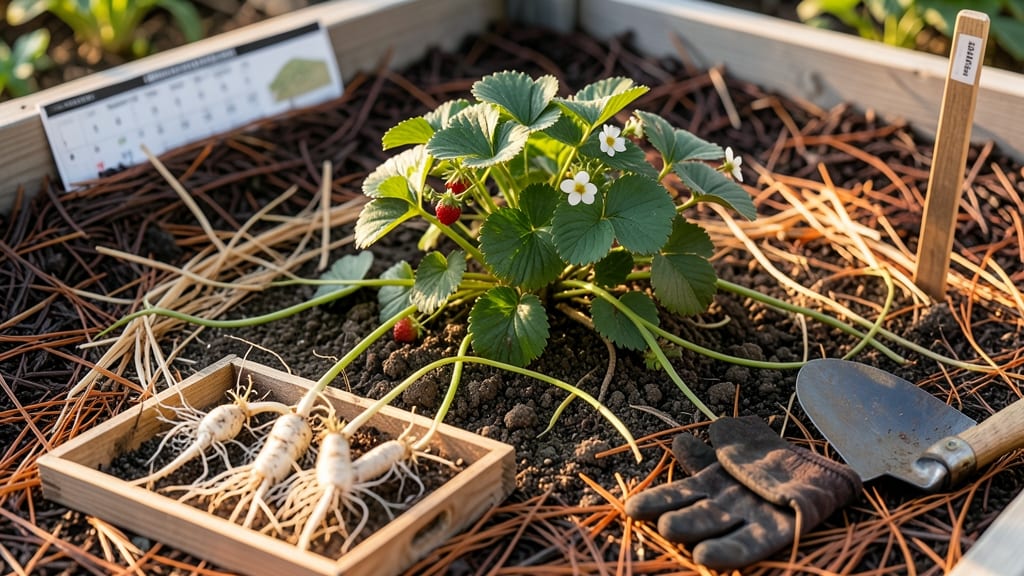
Timing your 🍓 strawberry planting in Kansas isn’t just about the calendar—it’s about surviving the state’s unpredictable swings from frost to scorching heat.
Plant too early in Zone 5, and a late freeze could wipe out your crop; wait too long in Zone 7, and your everbearing varieties might never reach peak harvest.
The difference between a bountiful summer patch and a disappointing one often comes down to knowing your microclimate’s last-frost dates and soil temperature triggers.
Most Kansas gardeners swear by spring planting for June-bearing varieties like 'Jewel,' but everbearing types such as 'Albion' offer flexibility—if you’re willing to adjust for your specific corner of the state.
Whether you’re in humid eastern Kansas or the drier western plains, the optimal window shifts dramatically, and understanding these nuances could mean the difference between a 60-day harvest and a missed opportunity entirely.
I’ve tested these strategies across Kansas’ diverse zones, and what I’ve learned will help you avoid common pitfalls—like planting bare-root strawberries too soon or overlooking mulching techniques to protect against erratic weather.
Let’s break down the exact deadlines, soil prep secrets, and variety-specific tips that will set your 🍓 strawberry patch up for success, no matter where you garden.
Ready to turn your Kansas garden into a strawberry powerhouse? The clock is ticking, and the first step is knowing when to make your move. Let’s get started.
Kansas strawberry planting deadlines by region: frost zones 5-7
Kansas spans USDA Zones 5-7, creating dramatic differences in planting deadlines. In Zone 5 (western KS), you can plant strawberries as early as late February, while Zone 7 (southeast KS) waits until mid-March. The key? Soil temperature must reach 40°F consistently for root growth.
June-bearing varieties like 'Jewel' need 8-10 weeks of cool weather to set fruit, so fall planting (August-September) is ideal in Zone 5. Everbearing types like 'Albion' tolerate later starts but risk reduced yields if planted after mid-April in Zone 6.
Here’s how to adjust your timeline based on Kansas’ 5 microclimates:
| Region | USDA Zone | Spring Planting Window | Fall Planting Window | Soil Temp Trigger |
|---|---|---|---|---|
| Northeast KS | Zone 6 | Mid-April to May 15 | August 15-Sept 15 | 45°F+ |
| Central KS | Zone 6-7 | Late March-April 10 | August 1-Sept 10 | 40°F+ |
| Southeast KS | Zone 7 | March 15-April 1 | July 15-August 15 | 40°F+ |
| West-Central KS | Zone 5-6 | Late March-April 15 | August 1-Sept 1 | 45°F+ |
| Western KS | Zone 5 | Late February-March 15 | July 15-August 10 | 50°F+ |
*Adjust dates 1-2 weeks later in high-elevation areas (e.g., Flint Hills).
For June-bearing strawberries, aim to plant 4-6 weeks before your region’s last frost date. In Zone 5, that’s late February; in Zone 7, mid-March. Use a soil thermometer—roots stall below 40°F, even if air temps rise.
Everbearing varieties like 'Seascape' are more forgiving. They tolerate late spring plantings (up to May 1 in Zone 6) but may skip first-year fruit to focus on root growth. Mulch heavily to protect crowns from late-spring frosts, which are common in northeast Kansas.
Pro tip: Bare-root plants establish faster than potted ones, but soak roots in lukewarm water for 30 minutes before planting to reduce transplant shock. Zone 5 gardeners should prioritize fall planting—spring starts risk bolting (premature flowering) due to long daylight hours.
Kansas’ variable weather demands flexibility. If a late frost hits after planting, cover beds with frost cloth until temperatures stabilize. Zone 7 gardeners can push limits further—'Chandler' strawberries thrive with late-March starts and deliver heavy June harvests.
Remember: Soil prep is just as critical as timing. Amend beds with compost and a balanced fertilizer (10-10-10) 2 weeks before planting. Raised beds warm up faster in Zone 5, giving you a 2-3 week head start on in-ground planting.
For everbearing varieties, consider container growing in Zone 5sheltered spots during cold snaps. June-bearing types, however, need permanent beds with 6+
June-bearing vs. everbearing strawberries: which Kansas variety needs earlier planting?
Choosing between June-bearing and everbearing strawberries in Kansas isn’t just about taste—it’s about timing. June-bearing varieties like 'Jewel' or 'Chandler' produce one massive harvest in late spring to early summer, but they need 60-75 days of warm soil to thrive.
Everbearing types like 'Albion' or 'Seascape' offer smaller yields year-round, but they’re more forgiving with later starts—especially in USDA Zones 6-7.
In Zone 5 (northeast Kansas), June-bearing strawberries must be planted in early spring (March-April) or fall (September-October) to avoid frost damage. Everbearing varieties can handle a late April start in these cooler areas, but yields may suffer.
Warmer Zone 7 (southwest Kansas) allows June-bearing plants until mid-April, while everbearers can go as late as May 1 without risking frost.
Here’s the catch: June-bearing strawberries require cold stratification (a period of winter chill) to fruit, so fall planting in Zone 5 ensures they’re ready for spring harvests. Everbearing types, however, produce without strict chill requirements, making them ideal for gardeners who miss the spring window—or face unpredictable frost dates.
That flexibility comes with a trade-off: everbearing varieties often yield 30-50% less per plant but stretch harvests into fall.
The disease risk also shifts with timing. June-bearing plants crowded into late starts in Zone 6 may develop gray mold or powdery mildew due to slower root establishment. Everbearing varieties, planted later, face less fungal pressure but may struggle in Zone 5’s shorter growing season.
My Zone 6 garden in Manhattan thrives with 'Albion' planted in early May—just as the soil warms to 50°F—while my 'Chandler' June-bearers go in by April 15.
June-Bearing vs. Everbearing Strawberries in Kansas
| Factor | June-Bearing (e.g., 'Jewel') | Everbearing (e.g., 'Albion') |
|---|---|---|
| Planting Window | March-April (Zone 5) or Sept-Oct (fall) | April-May (Zone 5) or March-May (Zone 7) |
| Harvest Period | 4-6 weeks (late spring) | Summer to early fall (smaller batches) |
| Yield Potential | High (1-2 lbs/plant) | Moderate (½ lb/plant) |
| Cold Requirement | Yes (600+ hours below 40°F) | No (or minimal) |
| Best for Kansas Zone | 5-7 (with early planting) | 6-7 (flexible timing) |
For Zone 5 gardeners, I recommend mixing both: plant June-bearers in fall for spring harvests and everbearers in late April for summer-fall picks. In Zone 7, everbearing varieties like 'Seascape' can even handle June planting if you’re okay with a delayed first harvest.
The key? Monitor soil temperatures—strawberries won’t root below 45°F, and everbearing types need consistent warmth to produce.
Pro tip: If you’re torn, try 'Day-Neutral' varieties like 'Fort Laramie'. They’re a middle ground—producing throughout the season without strict chill needs and yielding more than everbearers. My Zone 6 patch gives up 3 lbs/plant in staggered harvests, and they’re disease-resistant—a lifesaver for Kansas’ humid summers.
🌱