
Flowers
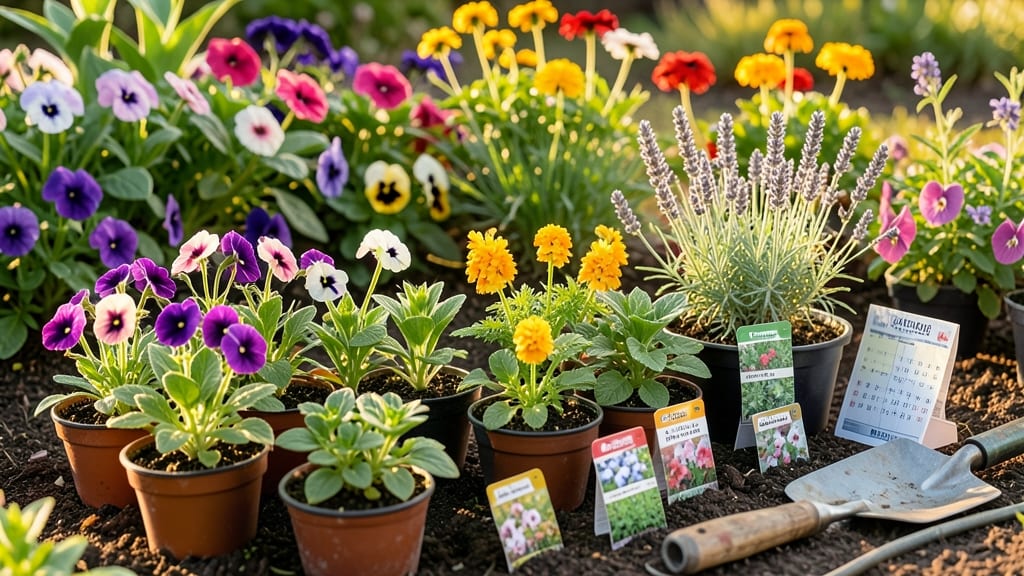
Timing is everything when it comes to planting flowers in Seattle—get it wrong, and your garden could end up looking more like a soggy science experiment than a vibrant display. The 8a climate and unpredictable weather mean you need a game plan that accounts for everything from last frost dates to microclimates that can feel like two different seasons in one yard.
Most gardeners in the area know spring is the prime window for planting 🌸 flowers, but did you know fall planting can actually give you a head start on next year's blooms?
Whether you're planting annuals for instant color or perennials that'll come back year after year, understanding these zone-specific deadlines is the key to avoiding frost damage and maximizing your garden's potential.
I've spent years testing what works in Seattle's damp, cool climate, and what I'm about to share will help you avoid common mistakes that lead to wilted dreams before they even begin.
From choosing the hardiest varieties to adjusting your schedule for those tricky microclimates, this guide gives you the exact timing you need to make your garden thrive.
Let's dive into the perfect planting schedule that'll have your flowers blooming beautifully all season long—no guesswork required. You'll discover which flowers to plant when, how to protect them from Seattle's infamous rain, and even how to extend your growing season for continuous color.
Seattle’s planting zones: when to start annuals vs. perennials
Seattle’s USDA Zone 8a/8b climate creates unique challenges for gardeners—cool, wet winters and mild summers demand precise planting timing. Unlike warmer climates, your last frost date (around March 15) and first frost date (November 15) set strict deadlines for planting.
Annuals thrive when sown after frost, while perennials need early starts to establish roots before summer heat.
Microclimates further complicate timing. Urban areas like Ballard or Capitol Hill can be 5-10°F warmer than coastal neighborhoods, delaying frost. Meanwhile, rainfall patterns (Seattle averages 37 inches annually) mean soil stays damp longer, affecting germination.
Understanding these factors helps you avoid common pitfalls like overwatering seedlings or planting too late for fall blooms.
For annual flowers, focus on spring planting (March–May) for summer color. Start seeds indoors 6–8 weeks before last frost (early January) or direct-sow after April 1. Fall planting (August–September) works for cool-season annuals like pansies or sweet peas, which tolerate light frosts.
Perennials, however, need early spring (March) or fall (September) planting to establish deep roots before winter.
🌱 Seattle Flower Planting Timeline
| Plant Type | Ideal Planting Window | Notes |
|---|---|---|
| Annuals (e.g., marigolds, zinnias) | March–May (spring) or August–September (fall) | Direct-sow after frost; avoid late summer planting. |
| Perennials (e.g., peonies, lavender) | March–April (spring) or September (fall) | Fall planting allows root establishment before winter. |
| Bulbs (e.g., tulips, daffodils) | October (spring bloomers) or November (fall bloomers) | Plant 6–8 weeks before first frost for best results. |
| Cool-Season Annuals (e.g., pansies, snapdragons) | August–September (fall) or February (spring) | Tolerate light frosts; ideal for winter color. |
Seattle’s coastal influence means soil stays cooler longer than inland areas. If you’re near Lake Washington or Puget Sound, wait until mid-April to plant heat-loving annuals like sunflowers or cosmos. Inland areas (e.g., Redmond or Kenmore) can handle earlier plantings, sometimes as early as late March.
For container gardening, timing shifts slightly. Potted flowers can be planted 2–4 weeks earlier than in-ground varieties because containers warm up faster. However, avoid planting in full sun containers before May 1—soil temperatures may still be too cold for germination.
Use black plastic mulch to warm soil 5–10°F faster in early spring.
Perennials like coneflowers or black-eyed Susans benefit from fall planting (September). This gives roots time to establish before winter, resulting in earlier and larger blooms the following year. For bulbs, tulips and daffodils should be planted in October for spring blooms, while fall-blooming crocuses go in September.
Seattle’s humidity and cloud cover can delay germination. To speed up growth, use seedling heat mats or row covers in early spring. For slow-starting seeds like snapdragons, start indoors under grow lights in February and transplant after April 15.
Always harden off seedlings for 7–10 days before outdoor placement to avoid shock.
Remember: Seattle’s weather is unpredictable. Keep a garden journal to track local frost dates and adjust your schedule yearly. For example, if March frosts linger past the 15th, delay planting heat-loving annuals until May 1.
With these zone-specific deadlines, your Seattle garden will bloom beautifully—no guesswork required! 🌷
Best flower varieties for Seattle’s cool seasons and their planting timelines
Seattle’s cool, damp climate favors hardy flowers that thrive in USDA Zone 8a/8b. Choosing the right varieties ensures vibrant blooms year-round, even with late spring frosts or mild winters. Let’s explore the best flowers and their ideal planting windows to keep your garden flourishing.
For spring bloomers, start with tulips and daffodils—plant bulbs in October or November for early spring color. These frost-tolerant bulbs naturalize beautifully in Seattle’s climate, returning year after year. Pair them with pansies and sweet peas, which handle cooler temperatures and bloom from March to May.
🌸
- Pansies: March–April, thrives in partial shade, blooms until frost.
- Sweet Peas: March–April, needs trellis support, fragrant blooms.
- Lupines: March–April, drought-tolerant, attracts pollinators.
- Marigolds: May–June, pest-repellent, full sun lover.
- Zinnias: May–June, long-lasting blooms, cut flowers.
- Cosmos: May–June, drought-resistant, airy foliage.
- Peonies: March–April, low-maintenance, bold blooms.
- Lavender: March–April or August–September, drought-tolerant, aromatic.
- Coneflowers: March–April, pollinator magnet, long bloom season.
- Chrysanthemums: August–September, frost-resistant, late-season color.
- Astors: August–September, versatile, thrives in shade.
- Dahlias: May–June (tubers), stunning blooms, needs staking.
- Pacific Coast Iris: March–April, drought-tolerant, coastal-adapted.
- Sword Fern: Year-round, shade-loving, evergreen foliage.
- Salal: Year-round, ground cover, low-maintenance.
Native plants like Pacific Coast Iris and Salal are perfect for Seattle gardens because they’re adapted to local conditions, requiring less water and care. These low-maintenance options also support local ecosystems by providing habitat for pollinators and birds.
For extended blooms, mix spring bulbs with summer annuals and fall perennials. For example, plant tulips in October for spring color, then follow with zinnias in May for summer, and top off with chrysanthemums in August for fall.
This layered approach ensures your garden stays vibrant from March to November.
Always check seed packets or plant tags for specific frost tolerance and sunlight needs. Seattle’s microclimates, like urban heat islands or coastal areas, can shift ideal planting times by 2–4 weeks. Adjust accordingly to avoid frost damage or wilting in heat.
With these seasonal varieties and timely planting, your Seattle garden will be a colorful oasis all year. Happy gardening! 🌿