
Plants
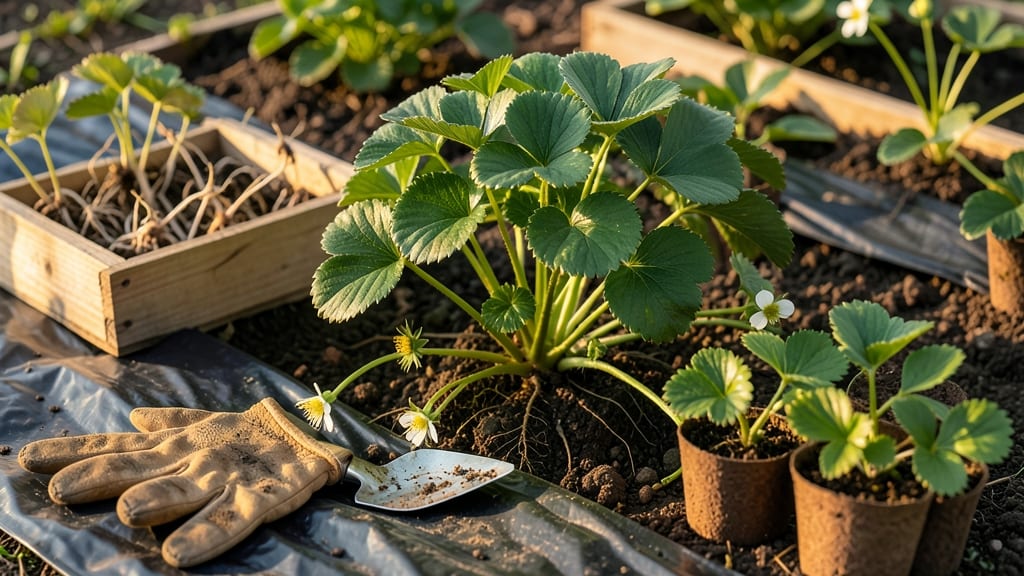
Planting strawberries in Oklahoma at the wrong time can mean the difference between a bountiful harvest of juicy 🍓 and struggling plants that barely survive. The key to success lies in understanding your local microclimate, soil conditions, and the specific frost dates that vary across the state's diverse regions.
Whether you're in the cooler 6b zones of northern Oklahoma or the warmer 8a areas of the south, timing matters more than you might think. Early spring or late summer planting offers the best chances for strong root establishment before winter or summer heat sets in.
I'll walk you through exactly when to plant for maximum yields, how to prepare your soil for Oklahoma's unique challenges, and which varieties thrive best in your specific corner of the state. Let's get those strawberries growing the right way.
From avoiding common planting mistakes to adjusting for urban heat islands versus rural areas, you'll discover the best strategies to make your strawberry patch flourish. Ready to turn your garden into a sweet success story?
Best planting times for strawberries in Oklahoma by region (2024 guide)
Oklahoma’s diverse climate zones (USDA 6b-8a) mean strawberry planting times vary dramatically—from Northwest Oklahoma’s chilly springs to Southwest Oklahoma’s extended growing seasons. Getting the timing right ensures healthy root establishment before summer heat or winter frosts strike. Let’s break down the optimal planting windows by region, variety, and microclimate.
For June-bearing varieties (like Jewel or Chandler), plant in early spring (March-April) to maximize their one-season harvest. Everbearing types (e.g., Ozark Beauty) and day-neutral varieties (like Seascape) thrive with fall planting (July-August) for extended fruiting.
Your last frost date (typically late February to early April) is your guide.
Visual Guide: Use this table to pinpoint your region’s ideal planting window and variety recommendations.
In Northwest Oklahoma, where frosts linger until mid-April, opt for bare-root plants in late March to avoid soggy soil. Central Oklahoma gardeners can plant potted strawberries as early as February if using black plastic mulch to warm the soil.
Meanwhile, Southwest Oklahoma’s extended season lets you push fall planting to early September for a winter harvest.
For urban gardeners in Oklahoma City or Tulsa, microclimates matter. A south-facing wall can add 2-3 weeks to your growing season, while shaded areas may require day-neutral varieties like Seascape to tolerate partial shade. Always test soil temperature—it should stay above 45°F for 7+ days before planting.
If you’re planting bare-root strawberries, soak roots in water for 2-3 hours before setting them 1 inch deep with the crown visible. Potted plants can go slightly deeper (½ inch below rim) for stability. Mulch immediately with 2 inches of straw to retain moisture and suppress weeds—critical in Oklahoma’s hot, windy summers.
Watch for early signs of stress like yellowing leaves (nutrient deficiency) or wilting (underwatering). In South Oklahoma’s clay soils, amend with compost to improve drainage, while sandy soils in Western OK may need organic matter to retain moisture.
Adjust your planting date 1-2 weeks later if your area experiences unusually cold springs.
Remember: June-bearing varieties need chilling hours (300-500), so avoid planting them in South Oklahoma’s mild winters—they may bloom poorly. Instead, choose day-neutral varieties like Seascape for <
How to adjust strawberry planting for Oklahoma’s microclimates (soil, sun, and elevation factors)
Oklahoma’s geography creates microclimates that can shift planting success from disaster to delight. For example, Oklahoma City’s elevated terrain (1,300+ feet) often experiences earlier frosts than Tulsa’s lower elevation, while urban areas like Norman trap heat islands that delay frost.
Understanding these factors helps you fine-tune planting times for your specific location.
Soil type plays a huge role too. Oklahoma’s clay-heavy soils in the southeast drain poorly, while sandy soils in the west dry out quickly. Both extremes require amendments—compost for clay, organic matter for sand—to create the ideal well-draining, fertile bed strawberries crave.
I’ll show you how to test and adjust your soil before planting.
Sun exposure is another critical factor. While strawberries need 6-10 hours of sunlight daily, Oklahoma’s intense summer heat can scorch plants if they’re planted too early.
In Zone 8a areas (like Lawton), I recommend late July planting to avoid heat stress, while Zone 6b gardeners (like those in Woodward) should plant in early April to beat frost.
🌱 Key Adjustments for Oklahoma Microclimates
Higher areas (OKC, Tulsa): Plant 2-3 weeks later to avoid frost.
Cities like Norman: Use shade cloth in summer; plant everbearing varieties for extended harvests.
Clay soil: Add sand + compost (50/50 mix). Sandy soil: Mix in peat moss.
Drought-prone areas: Install drip irrigation for consistent moisture.
For high-elevation gardens, like those in the Ozark Plateau region, I always recommend fall planting (late August) for June-bearing varieties. The cooler temperatures help roots establish before winter, and you’ll avoid the scorching heat of Oklahoma summers.
In contrast, lowland areas near the Red River can handle early spring planting (February-March) because frost dates are later.
Sun exposure isn’t just about hours—it’s about intensity. In Oklahoma, afternoon shade (from trees or structures) can protect plants from heat stress during peak summer months.
If your garden gets harsh afternoon sun, consider planting strawberries near a south-facing wall or using lightweight shade cloth (30% shade) in July and August.
Finally, mulching is your secret weapon for Oklahoma’s temperature swings. A 2-inch layer of straw or pine needles keeps roots cool in summer and insulated in winter.
I’ve seen 30% larger yields in mulched beds because the soil stays consistently moist and weed-free. Just avoid mulching too close to the crown to prevent rot.