
Plants
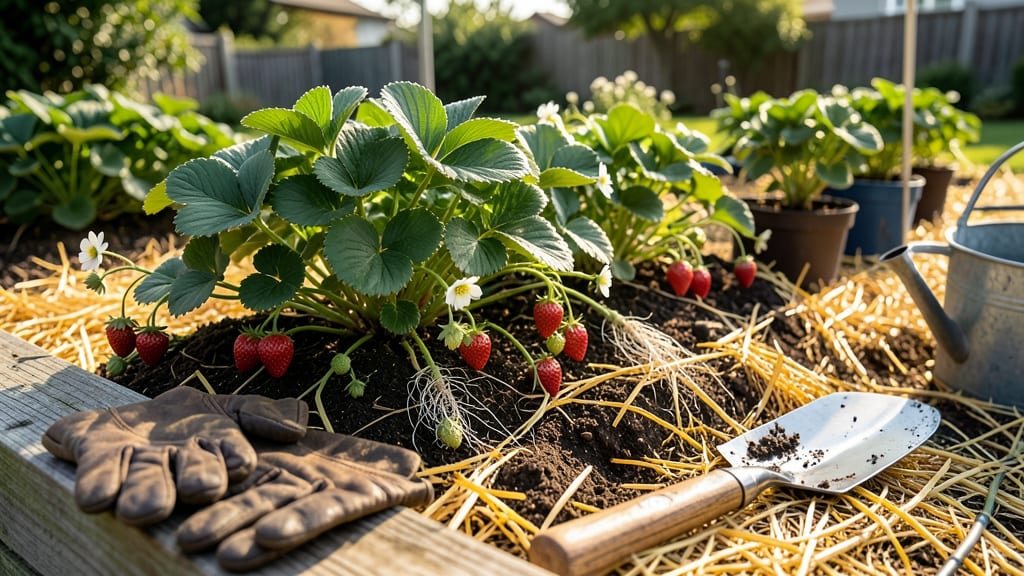
Planting strawberries in California isn’t just about grabbing plants and sticking them in the dirt—it’s about unlocking the best harvests by working with your region’s unique rhythm.
Whether you’re in coastal 9a-10b zones where fog lingers or inland areas baking under summer sun, timing makes all the difference between juicy 🍓 bounty and disappointment.
Most California gardeners assume fall is the only window, but the truth is more nuanced. You can actually plant year-round, though fall and winter offer cooler roots and fewer pests—critical for everbearing varieties that reward patience with multiple harvests.
The key? Adjusting for your microclimate’s quirks, like avoiding summer heat stress or coastal dampness that slows growth.
In this guide, I’ll break down the exact months to plant by region—coastal, Central Valley, desert—so you never miss peak fruiting season. We’ll also cover variety-specific tricks (June-bearing vs. everbearing) and how to stretch your harvest from March to June without burning out your plants.
Ready to turn your garden into a strawberry paradise? Let’s dive into the planting calendar that’ll have you picking ripe berries like a pro—no guesswork, just results.
California strawberry planting calendar by region: coastal vs. inland vs. desert zones
California’s diverse microclimates mean your strawberry planting schedule should depend on where you live. Coastal areas like San Francisco and Santa Barbara have mild winters, while inland zones like Bakersfield and Fresno face hot summers and occasional frost.
Even desert regions like Palm Springs have unique timing needs. Let’s break down the optimal planting windows for each zone to ensure your strawberry plants thrive year-round.
The key factor in California is avoiding late spring frosts (which can still occur in inland areas) and ensuring plants get enough chilling hours (300-500 hours below 45°F) for proper flowering.
Most gardeners plant bare-root strawberries in fall or winter, while potted plants can go in year-round, but timing still matters for harvest success. Let’s dive into the specifics by region.
For bare-root strawberries, plant as soon as soil is workable—typically October through February in most regions. If you’re using potted plants, you can plant year-round, but aim for fall or early spring to avoid heat stress.
In desert zones, August–September planting is ideal to escape summer’s peak intensity.
Pro tip: If you live in a coastal fog belt, you can plant everbearing varieties in late summer for a fall harvest, then again in winter for a spring crop.
This staggered approach maximizes your yield and extends your harvest window. Just ensure your soil stays well-draining to prevent rot in the damp coastal climate.
In inland areas, where late spring frosts can still occur, avoid planting after March 15th. Instead, opt for June-bearing varieties planted in fall to ensure they flower and fruit before summer heat sets in. Varieties like 'Chandler' or 'Seascape' are excellent choices for these zones.
For desert gardeners, the key is water management. Plant in partial shade during summer months and use drip irrigation to keep roots cool. Day-neutral varieties like 'Seascape' or 'Tristar' thrive here because they don’t require chilling hours and produce fruit continuously.
Finally, if you’re in a
How to adjust planting timing for everbearing vs. June-bearing strawberry varieties
Choosing the right strawberry variety isn’t just about flavor—it’s about harvest timing. California gardeners often overlook how everbearing and June-bearing varieties demand completely different planting strategies. Everbearing types produce fruit in two waves (spring and fall), while June-bearing varieties deliver one massive spring harvest.
Planting everbearers too late? You’ll miss that second crop. June-bearers planted early? They’ll languish in summer heat before fruiting.
For June-bearing varieties like 'Chandler' or 'Seascape', aim for late fall to early winter (November–January) in most of California. These plants need cool winter dormancy to set buds for their single spring harvest. In coastal areas, you can push planting slightly later (December–February) due to milder winters.
The key is getting them established 6–8 weeks before your region’s last frost—though frost is rare in California, heat stress is the real enemy.
Everbearing varieties like 'Seascape' or 'Albion' are far more forgiving. You can plant them year-round, but for optimal results, I recommend two staggered plantings: one in early spring (February–March) for summer fruit and another in late summer (August–September) for fall harvests.
This two-wave approach ensures you’re always picking berries, but it requires careful water management during California’s dry summers.
Here’s the game-changer: staggered planting extends harvests by 3–4 months. For example, plant half your everbearing strawberries in February and the other half in August. The February batch will fruit in May–June, while the August batch delivers September–October berries.
June-bearers, however, should be planted all at once in fall to avoid confusion in their single harvest cycle.
🍓 Strawberry Variety Planting & Harvest Timeline
| Variety Type | Best Planting Window | Primary Harvest | Secondary Harvest | Coastal Adjustment |
|---|---|---|---|---|
| June-Bearing | Nov–Jan (Central Valley) Dec–Feb (Coastal) |
March–May | None | Delay by 1 month |
| Everbearing | Feb–Mar (Spring) Aug–Sep (Fall) |
May–June | Sep–Oct | Plant 2 weeks later |
💡 Pro Tip: Everbearing varieties like 'Seascape' produce small fruit year-round but peak in spring/fall. For larger berries, focus on June-bearers in cooler zones.
Don’t overlook soil temperature—it’s just as critical as air temperature. Strawberry roots thrive when soil is between 50–60°F. In inland areas, planting in late fall (October–November) lets the soil cool naturally, while coastal gardeners can plant as late as February without risking heat stress.
Use a soil thermometer to check before planting; if it’s above 65°F, wait or provide shade cloth.
For container gardening in California’s urban areas, timing shifts slightly. Potted strawberries can handle summer planting (June–July) because you control water and soil temperature. Just use black plastic pots to absorb heat and keep roots cool.
Everbearers in containers often produce smaller but continuous harvests, making them ideal for balconies or patios.