
Plants
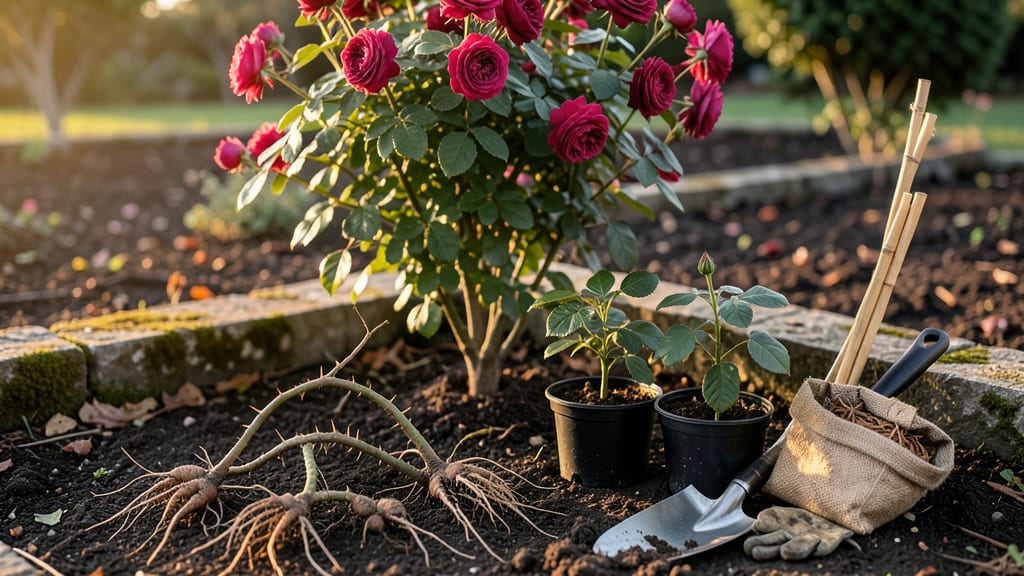
Timing when do you plant roses in Texas wrong can mean struggling to keep your garden blooming—especially when North Texas freezes and South Texas bakes. But get it right, and you’ll enjoy vibrant roses that thrive year after year, no matter where you live in the Lone Star State.
Texas’ diverse climate—from Zone 8a’s chilly winters to Zone 10b’s scorching summers—means planting too early or too late can spell disaster. Whether you’re in Dallas, Houston, or El Paso, the perfect window for planting depends on your region’s frost dates and heat tolerance.
In this guide, I’ll break down the exact months to plant roses in Texas, tailored to your location. You’ll learn how to prep your soil, pick the best varieties for your climate, and avoid common mistakes that kill roses before they even bloom.
Ready to grow roses that flourish in Texas heat? Let’s get started with the ideal planting schedule for your area.
Best planting months for roses in Texas by region (north, central, south)
Texas' diverse climate means North Texas (like Dallas) has cooler winters and Central Texas (Austin) enjoys mild winters, while South Texas (Houston) stays warm year-round. These differences drastically affect when you should plant roses for maximum success.
For North Texas (USDA Zones 7b-8a), aim for late February to early March in spring or October to mid-November in fall. These windows avoid both late frosts and summer heat stress. In Central Texas (Zones 8a-8b), expand your window to January through March or September to November.
South Texas (Zones 9a-10b) offers the most flexibility—plant anytime except peak summer (June-August) when temperatures exceed 95°F. Container-grown roses can even be planted in December or January for immediate blooms.
Timing isn't just about months—it's about soil temperatures and rainfall patterns. In North Texas, wait until soil warms to 60°F in spring. In South Texas, avoid planting when humidity exceeds 80% to prevent fungal diseases.
| Region | Ideal Planting Window | Last Frost Date | Key Considerations |
|---|---|---|---|
| North Texas (Dallas/Fort Worth) | Late Feb - Early Mar Oct - Mid-Nov |
Feb 15 | Avoid summer heat; soil must be 60°F+ |
| Central Texas (Austin/San Antonio) | Jan - Mar Sep - Nov |
Jan 31 | Watch for late spring frosts; mulch heavily |
| South Texas (Houston/Corpus Christi) | Year-round (except Jun-Aug) | None (Zone 9a-10b) | Plant in morning/evening to avoid midday heat |
| West Texas (El Paso/Abilene) | Mar - Apr Sep - Oct |
Feb 28 | Dry climate; water deeply after planting |
🌹 Texas Rose Planting Calendar
Fall planting is often preferred in Texas because cooler temperatures and consistent rainfall help roots establish before summer heat arrives. In North Texas, aim to plant 6-8 weeks before first frost (typically by November 1).
For container-grown roses, you can plant almost year-round in South Texas, but bare-root roses still need 6-8 weeks of warm soil before blooming season. Always check local frost dates—your county extension office has the most accurate data.
One common mistake is planting too early in spring when soil is still cold. In North Texas, this often means April planting fails because roots can't absorb nutrients in 50°F soil. Similarly, summer planting in Central Texas can lead to heat stress if done after June 1.
Pro tip: Use mulch (2-3 inches of pine straw) to regulate soil temperature. This is especially critical in West Texas where temperature swings can be 50°F in morning to 100°F by noon. Mulch helps maintain consistent root zone temps between 60-75°F.
Remember that Texas roses need full sun (6+ hours daily), but afternoon shade helps in South Texas during peak summer. Choose a west-facing location for morning sun and afternoon shade if possible.
Best planting months for roses in Texas by region (north, central, south)
Texas’ climate varies wildly from region to region, so planting roses at the wrong time can mean wilted canes or stunted growth.
In North Texas (Zones 8a-8b), like Dallas and Fort Worth, frost can linger until mid-February, while South Texas (Zones 9b-10b), like Houston and San Antonio, rarely sees frost after January 15. Even Central Texas (Zones 8a-9a) has microclimates that shift planting windows by weeks.
For best results, I recommend planting roses in fall (October-November) or early spring (February-March). Fall planting gives roots time to establish before summer heat, while spring planting avoids winter stress. But timing depends on your exact location—let’s break it down by region.
| Region | USDA Zone | Ideal Planting Months | Last Frost Date | Key Consideration |
|---|---|---|---|---|
| North Texas | 8a-8b | October-November (fall) or February-March (spring) | Mid-February | Avoid spring planting before last frost; use mulch to protect roots. |
| Central Texas | 8a-9a | October-November (fall) or February-April (spring) | Late January-Early February | Spring planting can extend to April in warmer microclimates. |
| South Texas | 9b-10b | October-November (fall) or January-March (spring) | January 15 | Container-grown roses can be planted year-round in mild zones. |
If you live in North Texas, aim for October-November planting to avoid winter chill. In Central Texas, you’ve got a little more flexibility—spring planting can stretch into April in warmer pockets like Austin’s Hill Country.
Meanwhile, South Texas gardeners can plant almost year-round, though fall remains ideal for bare-root roses.
One common mistake? Planting too early in spring before the last frost. Young roots can’t handle freezing temps, leading to root rot or death. Always check your local frost dates—the National Weather Service or Texas A&M AgriLife are great resources.
For extra safety, use row covers if planting in late winter.
For container-grown roses, the rules relax slightly. You can plant them almost anytime in Zones 9b-10b, but fall still gives them the best chance to establish before summer’s brutal heat. Just ensure your pots have drainage holes and use well-draining soil to prevent root rot.
Pro tip: If you’re in a transition zone (like parts of Central Texas), monitor your local microclimate. A spot near a lake or river might stay warmer longer, while a hilltop could freeze earlier. Adjust your planting window accordingly to give your roses the best possible start.