
Plants
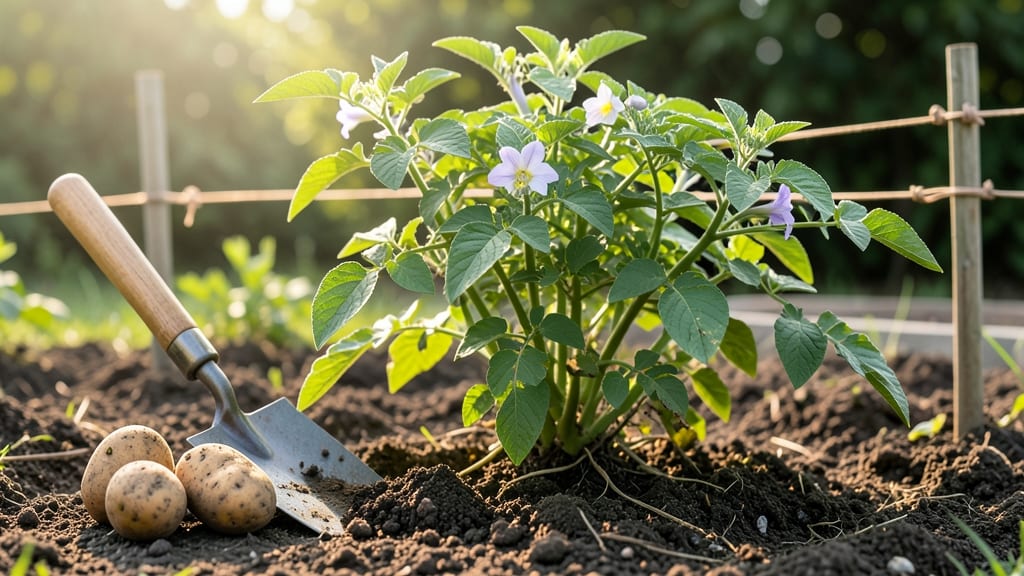
If you've ever wondered when do you plant potatoes in Illinois, timing is the secret weapon between a thriving harvest and wasted effort. The 5b-6b climate zones here demand precision—plant too early and frost will nip your 🥔 sprouts, but wait too long and you'll miss peak growing season.
Most Illinois gardeners swear by early spring planting, typically between March and April, once soil temperatures hit 45°F. But here's the catch: late winters can throw off even the best-laid plans, so knowing your exact last frost date (usually around April 15) is non-negotiable.
I'll walk you through the exact planting windows for your zone, plus how to adjust for early vs. late varieties. Whether you're growing red potatoes for salads or russets for baking, these zone-specific tips will help you avoid common mistakes that sabotage harvests.
Ready to dig in? Let's break down the perfect timing—so you can enjoy homegrown potatoes from July through August without the guesswork.
Illinois potato planting dates by hardiness zone (with frost risk analysis)
Growing potatoes in Illinois requires precise timing to avoid frost damage and maximize yields. Most of the state falls under USDA Zones 5b-6b, where last frost dates typically range from mid-April to early May.
Planting too early risks killing tender sprouts, while waiting too long shortens the growing season. Let’s break down the ideal planting windows for each zone.
For Zone 5b (northern Illinois), aim to plant seed potatoes 2-3 weeks before your last frost date. This usually means mid-to-late March. In Zone 6a-6b (central/southern Illinois), you can start slightly earlier—late February to early March—for early varieties.
Always verify local frost dates using the University of Illinois Extension or Old Farmer’s Almanac for accuracy.
Soil temperature is just as critical as air temperature. Potatoes thrive when soil reaches 45°F (7°C). Use a soil thermometer to confirm readiness—planting in cold soil delays germination. In northern Illinois, this often aligns with late March to early April, while southern regions may see suitable conditions by mid-March.
Pro Tip: Pre-sprout your seed potatoes indoors 4-6 weeks before planting. Place them in a bright, cool spot (around 50-60°F) to encourage sprout growth before transplanting. This jumpstarts your crop and extends your growing season by 2-3 weeks.
Here’s a quick reference for Illinois planting zones, including frost risk and ideal soil temperatures:
| Zone | Last Frost Date | Planting Window | Soil Temp | Frost Risk |
|---|---|---|---|---|
| Zone 5b (Northern IL) | Mid-April | Mid-to-late March | 45°F+ | High (late frosts) |
| Zone 6a (Central IL) | Early April | Late February-March | 45°F+ | Moderate |
| Zone 6b (Southern IL) | Late March | Late February | 45°F+ | Low |
If you’re in a microclimate (e.g., near a lake or urban heat island), you may experience earlier last frost dates. Test your garden with frost cloth or a mini greenhouse to push planting dates back by 1-2 weeks in risky areas.
For example, Chicago’s urban zones often see last frosts by April 10, while rural areas may wait until April 20.
For late varieties (like Russets), plant closer to your last frost date—around April 1-15—to ensure they mature before the first frost in October. Early varieties (e.g., Red Pontiac) can handle cooler soils and should go in 2-3 weeks before your target date.
Always space rows 30 inches apart to allow for hill building as plants grow.
One common mistake is relying on calendar dates instead of soil conditions. In 2023, northern Illinois saw a late frost in mid-April, catching many gardeners off guard.
Use a frost date calculator (like the one from Old Farmer’s Almanac) and adjust based on 5-year averages for your specific location.
Finally, consider succession planting for a continuous harvest. Plant a second crop of early-maturing varieties (e.g., Yukon Gold) in late May to enjoy fresh potatoes through July. Just ensure they’re in the ground 90 days before your first frost to reach maturity.
With these zone-specific guidelines, you’ll avoid the #1 mistake of Illinois gardeners: planting too late and sacrificing yield. Start your potatoes at the right time, and you’ll be digging up golden tubers by July or August!
Illinois potato planting dates by hardiness zone (with frost risk analysis)
Illinois spans USDA Zones 5b-6b, which means your potato planting window hinges on last frost dates and soil temperature thresholds. In most areas, aim to plant 2-4 weeks before your average last frost—typically between mid-March and mid-April.
Northern Illinois (Zone 5b) has colder springs, so start seed potatoes indoors in late February for a head start. Southern Illinois (Zone 6b) can plant outdoors as early as mid-March once soil warms to 45°F.
Here’s how frost risk breaks down by zone—critical for avoiding blackened sprouts or stunted growth:
For extra safety, use a frost blanket if planting early in Zone 5b. Southern Illinois gardeners can even try a fall planting (late August) for a winter harvest, though yields may be smaller.
Pro tip: Check the University of Illinois Extension for your county’s exact frost dates—local variations can shift planting by 1-2 weeks.
Once planted, maintain consistent moisture and watch for green tubers (a sign of too much sunlight). With the right timing, you’ll harvest golden potatoes by July!