
Plants
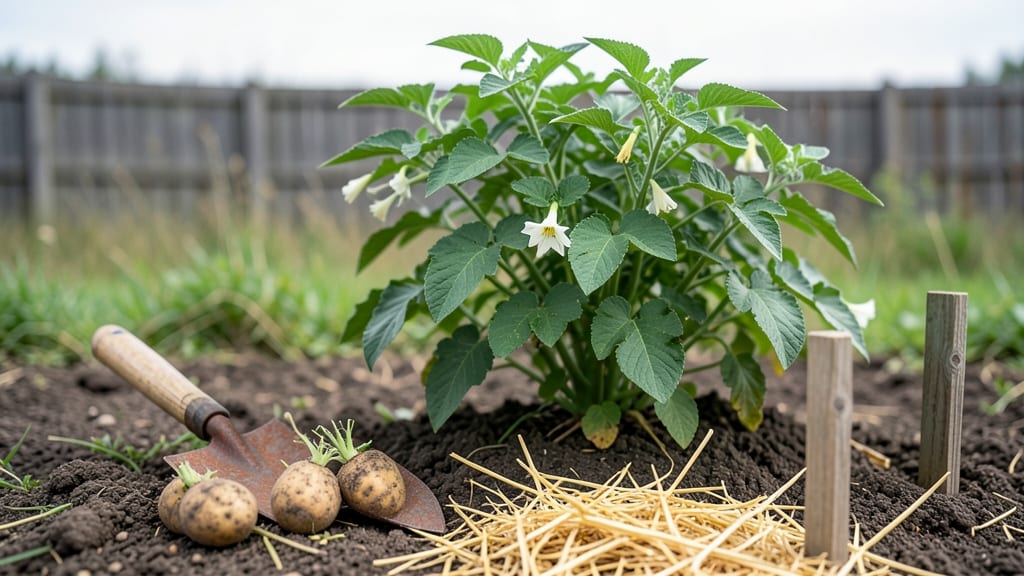
Knowing when to plant potatoes in Zone 8 isn’t just about following a calendar—it’s about reading your local microclimate like a pro. With mild winters and extended growing seasons, Zone 8 gardeners have two prime windows: early spring and late summer.
But timing matters more than you think, especially when balancing early varieties that need cooler soil with late harvests that can stretch into fall.
If you’ve ever planted too soon and watched your potatoes rot in cold soil, or too late and missed the sweet spot before summer heat, you know the stakes.
The key is understanding your last frost date—typically around mid-January—and adjusting for whether you’re in a coastal breeze or inland heat. I’ll show you exactly how to align your planting schedule with your specific Zone 8 conditions for a harvest that rivals the pros.
For those eager to get started, early spring planting (February-March) sets you up for a spring harvest, while fall planting (August-September) extends your growing season into October or November. But there’s more to it than just dates—soil prep, variety selection, and even shade strategies play a role.
Let’s break down the steps to maximize your 🥔 yield, no matter which window you choose.
Whether you’re a first-time planter or a seasoned gardener fine-tuning your approach, these insights will help you avoid common pitfalls and make the most of Zone 8’s unique growing advantages. Ready to dig in?

Optimal planting dates for potatoes in Zone 8 by variety type
In Zone 8, where winters are mild and summers are long, potatoes thrive with the right timing. Unlike colder zones, you can plant potatoes twice a year: in early spring and late summer for fall harvests.
The key is understanding your last frost date (around January 15) and first frost date (around December 15), which gives you a 220-day growing season to work with.
For spring potatoes, aim to plant 4-6 weeks before your last frost date—typically between mid-February and early March. This timing ensures tubers have enough time to mature before summer heat arrives.
Meanwhile, fall potatoes should go in the ground 2-3 months before your first frost, usually between late August and early September.
Your choice of potato variety also impacts planting timing. Early varieties like 'Yukon Gold' or 'Red Norland' mature in 60-90 days, while late varieties such as 'Russet' or 'Idaho' take 90-120 days. Planting early varieties first in spring and late varieties in fall maximizes your harvest potential.
Soil temperature is another critical factor. Potatoes sprout best when soil reaches 45-50°F. In Zone 8, this usually happens by late February in most areas, but cooler microclimates (like coastal regions) may need to wait until March.
Use a soil thermometer to confirm readiness—planting too early in cold soil can lead to rot.
| Variety Type | Planting Window | Days to Maturity | Best for Zone 8 | Soil Temp Threshold |
|---|---|---|---|---|
| Early Varieties | Mid-February to early March | 60-90 days | Spring harvest (April-June) | 45-50°F |
| Mid-Season Varieties | Late March to early April | 90-110 days | Summer harvest (June-August) | 50-55°F |
| Late Varieties | Late August to early September | 110-120 days | Fall harvest (October-November) | 55-60°F |
Note: Adjust planting dates 1-2 weeks earlier for inland areas and 1-2 weeks later for coastal regions.
Zone 8’s microclimates play a huge role in timing. Inland areas like Phoenix or Las Vegas can plant potatoes as early as January due to warmer soils, while coastal cities like San Diego or Santa Barbara may need to wait until March because of cooler ocean breezes.
Always check your local USDA Plant Hardiness Zone map and adjust accordingly.
For spring planting, prioritize early-maturing varieties to avoid summer heat stress. If you’re planting in fall, choose heat-tolerant late varieties like 'Kennebec' or 'Katahdin' that can handle Zone 8’s warm temperatures. These varieties also store well, making them ideal for late-season harvests.
Pro tip: Mark your planting dates on a garden calendar and set reminders for soil testing (aim for a pH of 5.0-6.5) and fertilizer application. In Zone 8, potatoes benefit from a balanced 10-10-10 fertilizer at planting and again when plants reach 6 inches tall.
Avoid over-fertilizing, as this can lead to excessive foliage growth at the expense of tuber development.
Finally, consider your harvest goals. If you want fresh potatoes for early spring meals, focus on fall planting. For summer BBQs, spring planting is your best bet.
In Zone 8, you can even stagger plantings every 2-3 weeks to ensure a continuous supply of fresh potatoes throughout the growing season.
With the right timing and variety selection, you’ll enjoy a bountiful potato harvest in Zone 8—whether you’re craving crispy roasted spuds or creamy mashed potatoes. Happy planting! 🥔
Microclimate adjustments: how to plant earlier or later in Zone 8
Zone 8’s diverse microclimates—from coastal breezes to inland heat—mean you can stretch your potato-growing season beyond the traditional windows. If you’ve ever wanted to plant earlier for a spring harvest or later for a fall crop, these adjustments are your secret weapon.
The key lies in soil temperature management and season-extending tools like row covers or cold frames.
For early planting, aim to get seed potatoes in the ground when soil temps hit 45°F (7°C), even if air temps are still chilly. Inland areas may need to wait until late February or March, while coastal gardeners can start as early as January thanks to milder soils.
The trick? Use black plastic mulch to warm the soil faster or plant in raised beds where temps stabilize quicker.
- 📅 Coastal areas: Plant 4-6 weeks earlier (Jan-Feb) using row covers for frost protection.
- ☀️ Inland heat: Use shade cloth (30%) in late summer to prevent heat stress on tubers.
- 🌡️ Soil thermometer: Wait until soil reaches 50°F (10°C) for planting—cold soil causes rot.
- 🛡️ Cold frames: Extend fall planting to October by using clear plastic covers.
- 🌿 Mulch: Apply straw or grass clippings to keep soil temps stable and retain moisture.
Late-season planting in Zone 8 rewards patience. By planting in August or early September, you can harvest tubers before the first frost (usually mid-December). Choose late-maturing varieties like 'Yukon Gold' or 'Russian Banana' and use black plastic mulch to keep soil warm longer.
In areas with early frosts, opt for row covers to protect foliage until harvest.
One common misstep? Assuming all Zone 8 areas are equal. Coastal San Diego and inland Phoenix have vastly different frost risks. Check your local frost dates (often 2-4 weeks apart) and adjust accordingly.
For example, if your last frost is January 20th, plant 6 weeks prior—by December 15th—for a spring harvest.
Don’t overlook container gardening as a microclimate hack. Pots warm up faster than in-ground soil, letting you plant 2-3 weeks earlier in spring or extend fall harvests by moving containers to a sheltered spot. Just ensure containers have drainage holes to prevent waterlogged tubers.
For the bold, try successive planting: start with early varieties in February, then follow with mid-season types in March, and late varieties in August. This staggered approach ensures a continuous harvest from spring through fall. Just rotate planting spots to avoid soil-borne diseases like blight.
Remember, the goal isn’t just to plant outside the norm—it’s to optimize your unique conditions. Whether you’re battling coastal fog or inland heat, these adjustments let you harvest potatoes year-round in Zone 8. Start small, experiment with one microclimate hack this season, and watch your yield soar. 🌱