
Plants
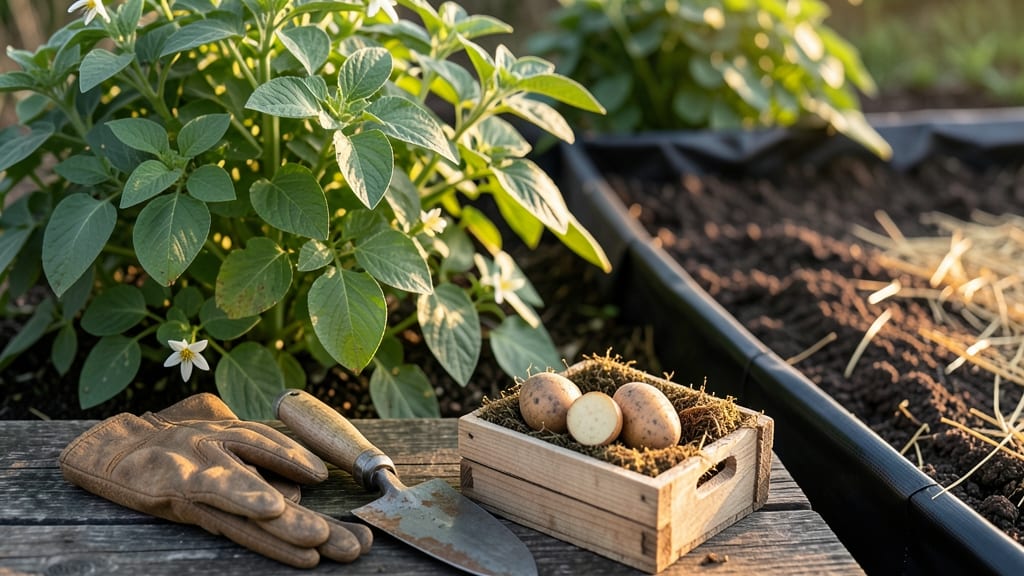
Timing when do you plant potatoes in Zone 5 could mean the difference between a bountiful harvest of crisp 🥔 tubers and a wasted season of frost-nipped dreams. Unlike warmer climates, Zone 5 gardeners must work with a tight window between late winter's lingering cold and spring's unpredictable frosts.
The key to success lies in understanding your last frost date and soil temperature—planting too early risks frost damage, while waiting too long cuts harvest time short. I'll walk you through the exact conditions your potatoes need to thrive, from soil warmth to frost-free rules that actually work.
Whether you're planting seed potatoes or tubers, knowing when to put them in the ground is just the first step. We'll also cover how to adjust for early vs. late varieties and avoid common mistakes that ruin harvests before they even begin.
Ready to grow potatoes that outperform last year's crop? Let's dive into the science and strategies that will have you digging up perfect spuds by mid-summer.

Zone 5 potato planting timeline: exact dates based on last frost & soil temperature
In Zone 5, timing your potato planting correctly is critical—you want to beat the last frost while avoiding cold, wet soil that stunts growth. Most gardeners aim to plant 4–6 weeks before the last expected frost date, which typically falls between mid-April and early May in this zone.
However, soil temperature is just as important as calendar dates.
Potatoes need soil temperatures of 45–55°F to sprout reliably. If you plant too early, your seed potatoes may rot in cold soil. Use a soil thermometer to confirm readiness—once the ground warms to 50°F consistently, it’s time to plant.
This often aligns with late March to early April in most of Zone 5.
For a successful harvest, plan to plant early varieties (like Yukon Gold) first, followed by mid-season (e.g., Red Pontiac) and late varieties (e.g., Kennebec) every 2–3 weeks. This staggered approach extends your harvest window and reduces blight risks from overlapping crops.
| Stage | Action | Notes |
|---|---|---|
| Soil Prep | Test pH (5.0–6.5) | Add compost for fertility |
| Chitting | Expose seed potatoes to light | Sprouts appear in 2–4 weeks |
| Planting Window | 4–6 weeks before last frost | Soil temp: 45–55°F |
| Depth | 4 inches deep | Cover with 2–3 inches of soil |
| Spacing | 12 inches apart | Rows 30 inches apart |
| Hilling | When plants reach 6 inches | Add soil to stems |
| Harvest | 70–120 days after planting | When foliage yellows |
If you’re unsure about your last frost date, check your local USDA Plant Hardiness Zone 5 resources or use a frost calendar from your county extension office. For example, in Chicago, the average last frost is April 25, so planting early varieties around March 15–20 is ideal.
For gardeners in northern Zone 5 (e.g., Duluth, MN), extend your season by using black plastic mulch or a cold frame to warm the soil faster. In southern Zone 5 (e.g., Washington, D.C.), you may even plant a second crop in late June for a fall harvest.
Pro tip: If your soil stays cold into April, consider container growing. Fill large pots with a mix of compost and perlite, and place them in a sunny spot. Containers warm up faster than garden beds, giving you an earlier start.
Remember, potatoes are frost-sensitive but can tolerate light frosts after sprouting. However, a hard freeze (28°F) will kill the plants, so always have a backup plan for late-season varieties.
Once planted, maintain consistent moisture—potatoes need about 1–2 inches of water per week. Mulch with straw to retain soil warmth and suppress weeds, which can compete for nutrients.
Zone 5 potato planting timeline: exact dates based on last frost & soil temperature
In Zone 5, your potato planting window hinges on two critical factors: soil temperature and your last frost date. Potatoes need soil that's at least 45°F (7°C) for germination, but ideal conditions are 50-55°F (10-13°C).
Most Zone 5 gardeners experience their last frost between mid-April and early May, so timing is everything.
For most varieties, aim to plant 4-6 weeks before your last frost date. This gives your potatoes time to establish roots before the ground warms up.
Early varieties can even go in 2-3 weeks before that window if you use black plastic mulch or a cold frame to protect them.
🌱 Pro Tip: Use a soil thermometer to confirm temperatures. If your soil stays below 45°F for more than a week, wait a few more days before planting.
| Stage | Action | Key Details |
|---|---|---|
| Pre-Planting | Chit Sprouts | Expose seed potatoes to light 2-3 weeks before planting to encourage sprouting. |
| Early Planting | Plant Early Varieties | 4-6 weeks before last frost (soil 45°F+). Use black plastic mulch for warmth. |
| Main Planting | Plant Mid/Late Varieties | 2-4 weeks before last frost (soil 50°F+). Ideal for Yukon Gold, Red Pontiac. |
| Post-Frost | Hill Soil | When plants reach 6 inches, mound soil around stems to prevent greening. |
| Harvest Ready | Harvest Potatoes | 70-120 days after planting when foliage yellows or tubers are 2+ inches. |
If you're unsure about your last frost date, check your local USDA Plant Hardiness Zone Map or use a frost calendar from your state's agricultural extension service.
For example, in Northern Illinois, the average last frost is April 20th, while in Upstate New York, it's often May 5th.
For a continuous harvest, consider planting early, mid-season, and late varieties in staggered batches. Early varieties like Red Norland (60 days) can go in as soon as soil is workable, while late varieties like Kennebec (120 days) should wait until after your last frost.
🌡️ Remember: Even if your last frost has passed, late frosts can still occur. Use frost blankets for extra protection if temperatures dip below 32°F after planting.