
Companion Plants
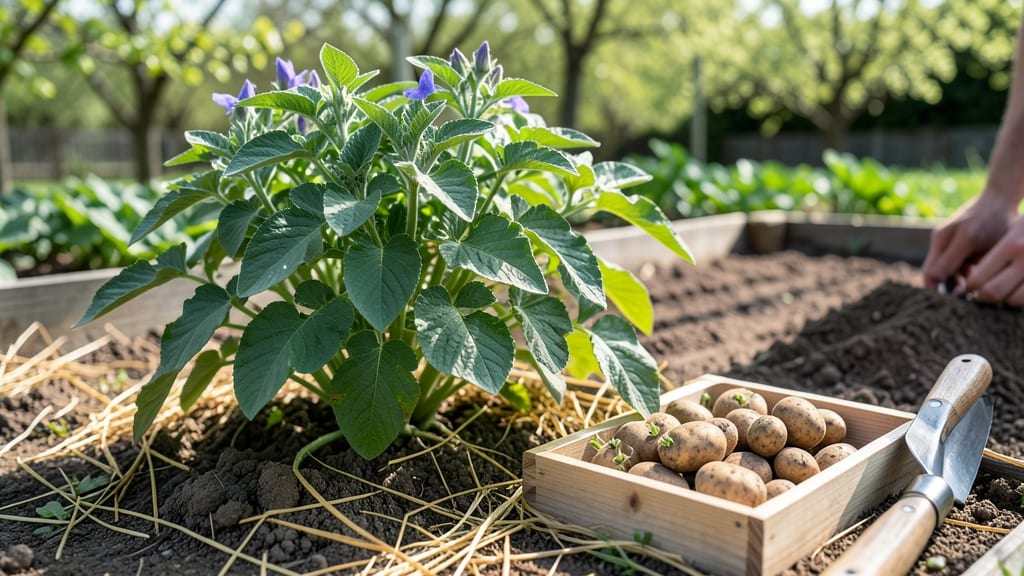
If you’ve ever wondered when to plant potatoes in Michigan, timing is the key to avoiding frost damage or blight—and getting a bountiful harvest. Michigan’s unpredictable springs mean planting too early can leave your 🥔 vulnerable, while waiting too long cuts your growing season short.
Most Michigan gardeners aim to plant potatoes 2–4 weeks after the last frost date, but soil temperature matters just as much. With USDA Zones 4–6 across the state, your exact window depends on whether you’re in northern Michigan (where frost lingers) or southern Michigan (where warm-up happens faster).
I’ll break down the ideal planting dates by zone, plus how to adjust for Michigan’s quirks—like sudden cold snaps or early heatwaves. You’ll also discover which potato varieties thrive in your region and how to extend your season with simple tricks.
Ready to dig in? Let’s turn your potato patch into a summer staple with foolproof timing and local expertise.
Michigan potato planting dates by hardiness Zone (soil temp & frost guidelines)
Michigan’s climate—with its short growing season and late spring frosts—demands precise potato planting timing. Most gardeners in USDA Zones 4-6 should aim to plant 2-4 weeks after the last frost, but soil temperature matters more than calendar dates.
For Zone 4 (Upper Peninsula), wait until soil reaches 45°F+ (usually late May), while Zone 6 (southern Michigan) can start as early as mid-April in ideal years.
Potatoes thrive in well-draining, loose soil that warms quickly. Cold, soggy soil invites rot, so test your soil’s readiness by pressing your finger 3-4 inches deep.
If it feels cool and damp, wait a week or two. Early varieties (like 'Red Pontiac') tolerate cooler soils better than late varieties (like 'Russet Burbank'), giving you flexibility if spring drags on.
Here’s the critical rule: Plant when soil is 45°F+ and frost risk has passed. Use these zone-specific guidelines to pinpoint your window:
| Zone | Last Frost (Avg.) | Soil Temp Ready | Planting Window | Notes |
|---|---|---|---|---|
| Zone 4 (UP) | May 15–25 | 45°F+ (late May) | May 20–June 1 | Use row covers for early starts |
| Zone 5 (N. Lower) | May 1–10 | 45°F+ (mid-April) | April 25–May 15 | Early varieties best |
| Zone 6 (S. Michigan) | April 15–25 | 45°F+ (early April) | April 10–May 1 | Succession plant for harvests |
For Zone 4 gardeners, late planting (after June 1) risks blight from Michigan’s humid summers. Instead, opt for early-maturing varieties (60-75 days) or use black plastic mulch to warm soil faster.
In Zone 6, you can even try a fall planting (late August) for a late harvest, but stop by September 1 to avoid frost damage.
Pro tip: Check Michigan State University’s Michigan Weather and Climate tool for your specific county’s frost dates. Northern Michigan (Zone 4) often sees 10-14 days later than southern Michigan (Zone 6).
Planting too early? Your potatoes will rot in cold soil. Too late? You’ll miss the 90-day window needed for full-sized tubers.
Always plant seed potatoes (not grocery store potatoes) cut into 1.5-inch chunks with at least 2 eyes. Let them cure for 24 hours before planting to prevent rot. For container growing, use 5-gallon buckets and plant 2-3 weeks later than in-ground to avoid heat stress.
Michigan’s unpredictable spring can throw off even the best-laid plans. If frost threatens after planting, cover seedlings with frost cloth or a lightweight blanket. For late starts, choose disease-resistant varieties like 'Kennebec' or 'Chippewa' to combat blight.
Remember: Soil temperature > calendar date. Use a soil thermometer ($10 at garden centers) to confirm readiness. Planting at the right time ensures higher yields and fewer pests, saving you time and frustration later.
🌱
How to adjust planting for Michigan's unpredictable spring weather
Michigan’s spring weather can be as unpredictable as a detective novel, with frost lingering into May in the Upper Peninsula while southern gardens bask in 60°F soil by April. If you’ve ever planted potatoes only to see frost nip your sprouts, you’re not alone.
The key is flexibility—knowing how to extend your season or protect tender plants when Mother Nature throws curveballs.
One of my biggest lessons came after planting early Yukon Golds in April, only to watch them freeze when a late snowstorm hit. Since then, I’ve relied on a few season-extending tricks to give potatoes the best shot at success, no matter what Michigan throws at us.
The goal? Plant when the soil is consistently 45°F+ and protect those sprouts until the threat of frost is truly gone.
Here’s how I adjust my planting schedule—and how you can too—to beat Michigan’s unpredictable spring and still enjoy a harvest. These strategies work whether you’re in Zone 4 (northern Michigan) or Zone 6 (southern Michigan).
- 📅 Plant in stages: Start with early varieties (like 'Red Norland') 2–3 weeks before your usual date, then follow with mid-season potatoes. This spreads risk if frost hits.
- 🔥 Warm the soil: Use black plastic mulch or straw bales 1–2 weeks before planting to raise soil temps by 5–10°F. This lets you plant earlier in cooler zones.
- 🛡️ Use row covers: After sprouts emerge (about 2–3 weeks post-planting), drape floating row covers over hills to shield them from late frosts. Remove during the day to let pollination happen.
- ⏳ Try a cold frame: Build a simple DIY cold frame (or use a repurposed aquarium) over newly planted seed potatoes. It traps heat and can push planting back by 2–3 weeks in risky areas.
- ☀️ Choose sunny spots: Plant potatoes in the warmest, southernmost part of your garden. Soil heats up faster there, giving you a 2–4 week head start on cooler areas.
- 🌡️ Test soil temp: Use a soil thermometer (or your elbow—if it’s too cold to stick your arm in, it’s too cold for potatoes). Aim for 45°F+ consistently for 5+ days.
Don’t overlook the power of succession planting either. If your first planting gets nipped by frost, have backup seed potatoes ready to go in 2–3 weeks later. This ensures you’ll have at least one successful batch, even if spring drags on.
I’ve had years where I planted three separate batches—one early, one mid-season, and one late—just to hedge my bets.
Another trick? Plant potatoes in containers if your ground is slow to warm. Fill large pots with well-draining soil and place them in a sunny spot.
Containers warm up faster and let you move them to shelter if frost threatens. It’s not as space-efficient, but it’s a lifesaver for short seasons.
Finally, keep an eye on your local frost forecast (Michigan State University Extension provides great tools). If a hard freeze is predicted after planting, cover your hills with straw or leaves for extra insulation. With these adjustments, you’ll turn Michigan’s unpredictable spring into an advantage—not a roadblock.