
Plants
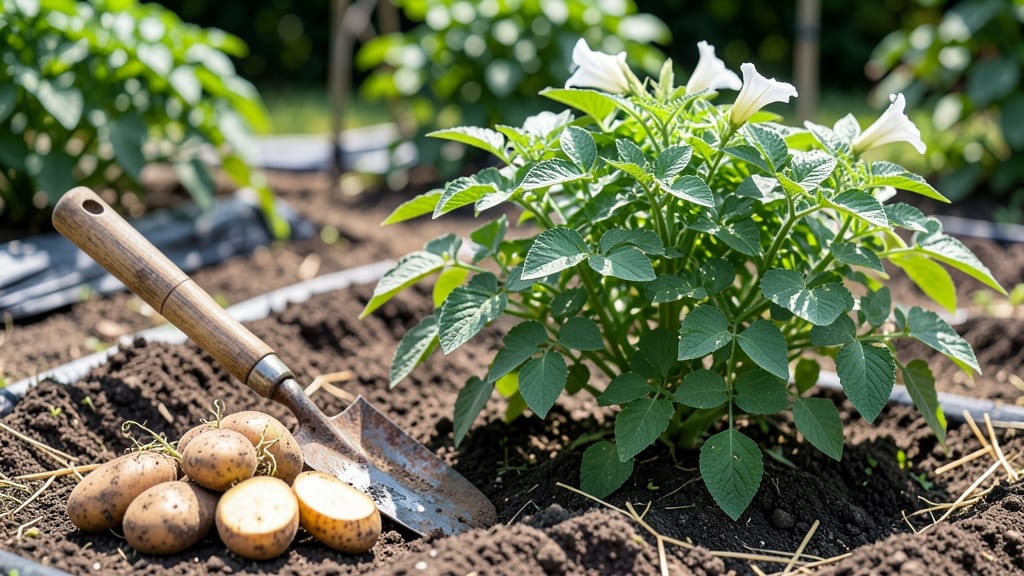
Planting potatoes in Oklahoma at the wrong time can mean the difference between a thriving harvest and a total loss—especially when unpredictable spring freezes or scorching summer heat are just around the corner. Whether you're in USDA Zone 6b or 8a, timing matters more than most gardeners realize, and getting it right ensures your 🥔 plants grow strong and produce bountiful tubers.
Most Oklahoma gardeners swear by late February to early April for spring planting, but that window shifts depending on your exact zone and last frost date.
In cooler areas like Zone 6b, you might need to wait until early March, while Zone 8a gardeners can start as early as late February. Fall planting is another smart option—September to early October lets you harvest fresh potatoes over winter, a game-changer for Oklahoma’s mild winters.
But here’s the catch: planting too early risks frost damage, while waiting too long can leave your potatoes struggling in the heat. I’ll break down the perfect timing for your zone, plus pro tips to adjust for early or late varieties so you never miss a harvest window.
Let’s get those spuds in the ground the right way!
Ready to avoid common mistakes like frost-killed seedlings or stunted growth? You’ll also discover how soil temperature and row covers can give your potatoes the head start they need. By the end, you’ll know exactly when to plant for a perfect harvest—no guesswork required.
Best planting dates for potatoes in Oklahoma by hardiness Zone
Timing your potato planting in Oklahoma depends heavily on your USDA hardiness zone, which ranges from 6b to 8a across the state. Planting too early risks frost damage, while waiting too late can stunt tuber growth before summer heat sets in.
The goal is to plant 4-6 weeks before your last frost date—but with Oklahoma’s variable climate, flexibility is key.
Most Oklahoma gardeners focus on spring planting (February through April) for a summer harvest, but fall planting (September through October) also works for winter storage varieties.
Let’s break down the ideal windows for each zone to help you avoid common pitfalls like blackheart disease (from cold soil) or blight (from late planting).
🌱 Key Rule: Soil should reach 45-50°F before planting—use a soil thermometer to check! In Zone 6b (north OK), wait until late March to ensure frost-free growth, while Zone 8a (southern OK) can start as early as February. Always adjust for your microclimate—valleys stay colder longer!
In Zone 6b, where frosts linger into April, I recommend starting seed potatoes indoors in late February to chit (sprout) them before transplanting outdoors. This gives you a 2-3 week head start on growth.
For Zone 8a, where heat arrives early, prioritize early-maturing varieties like Yukon Gold (90 days) to avoid summer stress.
Oklahoma’s humid summers also mean late planting risks blight. If you miss the spring window, opt for fall planting with disease-resistant varieties like Red LaSoda or Kennebec.
These mature faster and tolerate cooler soils better than standard russets. Just be sure to harvest before the first frost—even hardy varieties won’t survive freezing ground.
One mistake I see often is planting based on calendar dates instead of soil temperature. Cold soil (<45°F) slows sprouting and can cause blackheart, a condition where tubers develop hollow, discolored centers. Always check with a thermometer or wait until you see consistent daytime temps above 50°F.
For container growing in Oklahoma’s urban areas, plant in large pots (at least 12 inches deep) and use lightweight potting mix. Containers warm up faster than soil, so you can plant 2-3 weeks earlier than in-ground.
Just ensure pots have drainage holes to prevent waterlogged tubers, which rot quickly in Oklahoma’s heat.
If you’re in Zone 7a or 7b, where frost dates vary widely, I suggest succession planting: plant a small batch every 2 weeks from March through April.
This stretches your harvest from June through August and reduces the risk of losing everything to a late frost or early heatwave.
Finally, remember that Oklahoma’s microclimates can shift dramatically over short distances. If you’re near a lake or river, expect cooler soils that delay planting by 1-2 weeks. Conversely, urban heat islands may let you plant earlier in protected microclimates.
Always scout your garden’s lowest spots—these stay coldest and are prone to water pooling, which potatoes hate.
Best planting dates for potatoes in Oklahoma by hardiness Zone
Oklahoma spans USDA Zones 6b through 8a, and your exact zone dictates the perfect planting window for potatoes. In Zone 6b (northern OK), wait until early March to avoid late frosts, while Zone 8a gardeners can start as early as late February.
The key is planting 4-6 weeks before your last frost date, which typically falls around March 15 in most of Oklahoma.
For fall planting, aim for September to early October—this lets you harvest before the first frost (usually November 15 in Zone 6b or December 15 in Zone 8a). Fall potatoes often produce sweeter tubers and are perfect for winter storage.
Soil temperature matters just as much as air temperature. Potatoes thrive when soil reaches 45°F (7°C). Use a soil thermometer to confirm—planting too early in cold soil can stunt growth. In Oklahoma’s variable climate, this often means waiting until mid-to-late March for spring planting.
| Zone | Spring Planting Window | Fall Planting Window | Soil Temp Requirement | Last Frost Date |
|---|---|---|---|---|
| 6b | Early March | September 15-October 1 | 45°F (7°C) | March 1 |
| 7a | Late February-Early March | September 1-October 10 | 45°F (7°C) | March 15 |
| 7b | Late February-March 10 | September 1-October 15 | 45°F (7°C) | March 20 |
| 8a | Late February-March 15 | September 15-October 20 | 45°F (7°C) | April 1 |
Pro tip: If you’re in Zone 6b and want an early start, try chitting potatoes indoors 4-6 weeks before planting. Place seed potatoes in egg cartons with the sprouted end up, and they’ll be ready to plant as soon as soil warms.
This gives you a 2-3 week head start on the growing season.
For Zone 8a gardeners, don’t wait too long—planting after mid-April risks summer heat stress, which can lead to poor tuber formation. Instead, opt for shade cloth or drip irrigation to keep soil cool and moist during peak heat.
Fall planting here is especially rewarding, as Oklahoma’s mild winters allow for harvests into January.
Remember: Succession planting every 2-3 weeks extends your harvest window. Start with early varieties (like Red LaSoda) in March, then follow with medium (Yukon Gold) and late varieties (Russet) in April. This ensures a continuous supply of fresh potatoes all summer long.