
Plants
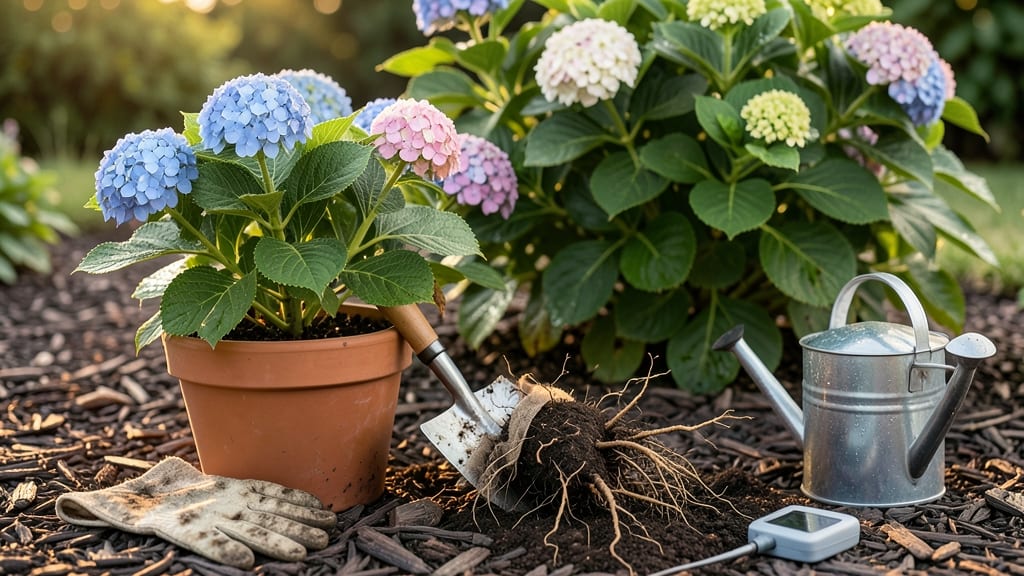
Most gardeners swear by planting hydrangeas in April or May, once the soil has warmed to at least 50°F and the last frost has passed. But what if your spring is unpredictable?
The key is balancing soil temperature, moisture, and local climate to give your hydrangea the best shot at thriving. I’ll break down the exact conditions to watch for and how to adjust if your planting season feels off.
You might think hydrangeas are low-maintenance, but getting the timing right is half the battle. Whether you’re a first-time gardener or a seasoned pro, these insights will help you avoid common mistakes—like planting too deep or ignoring soil drainage—that can stunt growth.
Let’s dive into the science behind successful hydrangea planting and how to set yours up for a flourishing first season.
Ready to transform your garden? By the end of this guide, you’ll know not just when to plant, but how to prepare the soil, protect your hydrangea from unexpected frost, and give it the care it needs to reward you with stunning blooms year after year. Let’s get started!
Best planting months for hydrangeas by USDA hardiness Zone
Planting hydrangeas at the right time ensures strong root growth and vibrant blooms. The best window depends on your USDA zone, with spring being ideal for most regions.
In Zones 3-7, aim for April to May after the last frost, while Zones 8-11 can plant in fall (September-October) for cooler weather benefits.
Hydrangeas thrive when soil temperatures stay above 50°F (10°C)—cold soil slows root development. In northern climates (Zones 3-5), wait until nighttime temps consistently stay above 55°F (13°C). Southern zones (Zones 9-11) can plant earlier, but avoid extreme heat or drought conditions.
Fall planting works in Zones 6-11 if done 6-8 weeks before first frost. This gives roots time to establish before winter. However, avoid fall planting in Zones 3-5—frost can damage tender roots before they acclimate.
| USDA Zone | Best Planting Window | Soil Temp Threshold | Key Consideration |
|---|---|---|---|
| 3-5 | April-May (after frost) | 55°F+ (13°C) | Wait for nighttime warmth |
| 6-7 | April-May OR Sept-Oct | 50°F+ (10°C) | Spring preferred for blooms |
| 8-9 | Fall (Sept-Oct) OR Spring | 60°F+ (16°C) | Avoid summer heat |
| 10-11 | Fall (Aug-Sept) | 65°F+ (18°C) | Establish before rains |
For Zones 3-5, I recommend planting bigleaf hydrangeas (Hydrangea macrophylla) in late spring to avoid frost damage. In Zones 8-11, oakleaf hydrangeas (Hydrangea quercifolia) can handle fall planting better due to their heat tolerance.
Always check your local frost dates—even within a zone, microclimates vary. For example, a Zone 6a garden in Denver may have later frosts than one in Chicago. Use the National Weather Service or Almanac tools to pinpoint your exact window.
If you miss the ideal window, don’t panic! Container-grown hydrangeas can be planted up to 6 weeks later than bare-root plants, as their roots are already established. Just water deeply after transplanting to reduce shock.
Pro tip: Amend your soil with compost or peat moss before planting to improve drainage—hydrangeas hate soggy roots. For acid-loving varieties like blue hydrangeas, add sulfur or pine needles to lower pH to 5.0-5.5.
After planting, mulch with 2-3 inches of organic mulch to retain moisture and regulate soil temperature. This is especially critical in Zone 10, where summer heat can dry out newly planted roots quickly.
🌸
Signs your hydrangea planting timing is perfect (or terrible)
Planting hydrangeas at the wrong time can leave your shrub struggling to establish roots, leading to stunted growth or even death. The ideal timing depends on three key factors: soil temperature, frost-free dates, and leaf development.
If you miss these cues, your hydrangea might not bloom as expected—or worse, fail entirely.
First, check the soil temperature. Hydrangeas thrive when soil is at least 50°F (10°C). Use a soil thermometer to confirm—cold soil slows root growth and increases rot risk. In USDA Zone 6a, this typically aligns with mid-April to early May, but your local conditions may vary.
Next, monitor the last frost date. Planting too early risks frost damage to tender roots. If your area has a late spring frost, delay planting until at least 2 weeks after the average last frost date.
Check your local National Weather Service or Plant Hardiness Zone Map for accuracy.
⚠️ Warning: Common Planting Mistakes
- Planting too deep: Burying the stem can suffocate the plant.
- Ignoring soil drainage: Waterlogged roots lead to rot.
- Skipping mulch: Protects roots from temperature swings.
Avoid these pitfalls to give your hydrangea the best start! 🌱
Finally, observe the leaf development of your hydrangea. If leaves are already partially unfurled when you plant, it’s a sign the plant is ready to establish roots quickly. Conversely, if leaves are still tightly closed, delay planting until conditions improve.
For fall planting (ideal in warmer zones), aim for 6-8 weeks before first frost. This gives roots time to establish before winter dormancy. In Zone 6a, that’s typically late September to early October. Use a 3-step pre-planting