
Plants
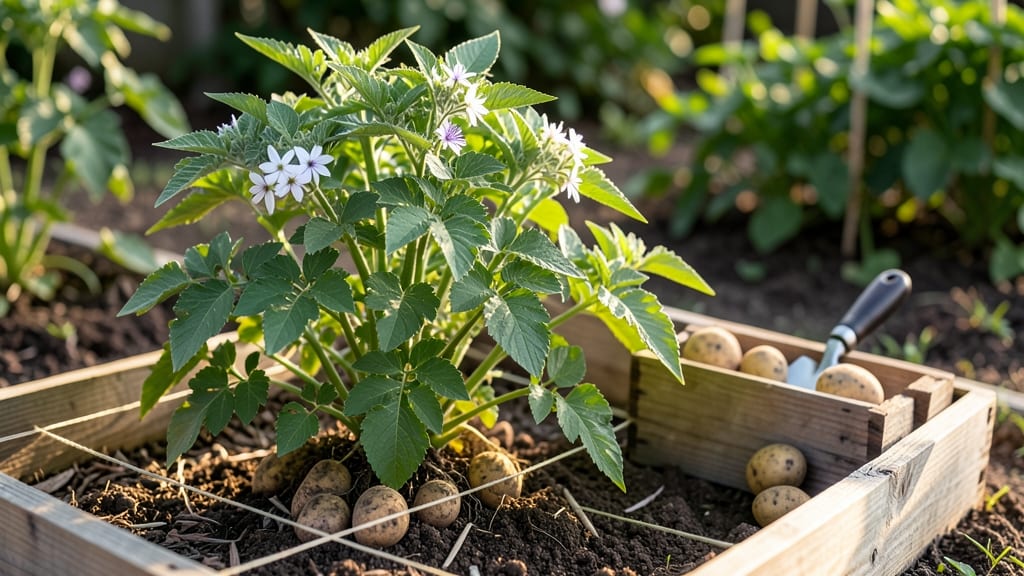
If you're asking "when can you plant potatoes in Michigan", the answer isn't just a date—it's a strategy to beat the state's famously fickle spring weather. Michigan gardeners know that planting too early risks frost damage, while waiting too long can shorten your harvest window.
The 5b-6b zones demand precision, and getting this right means the difference between a bountiful 🥔 harvest and wasted seed potatoes.
Most gardeners start as soon as the soil warms to 45°F, typically by early April in southern Michigan or late April in the north. But here's the catch: early varieties like Red Norland can handle cooler soil, while late-season potatoes need warmer temperatures to thrive.
I'll break down exactly when to plant based on your specific region—because Michigan's climate varies more than you think.
What you'll discover is that timing isn't just about the calendar—it's about soil temperature, frost predictions, and even lunar cycles for some gardeners. We'll cover how to adjust your planting schedule if Mother Nature throws a curveball, plus the best varieties to maximize your yield.
Let's get those spuds in the ground at the perfect moment.
Ready to transform your garden into a potato patch? The key isn't just when you plant—it's how you prepare the soil, choose your varieties, and protect your crop from Michigan's unpredictable weather.
By the end of this guide, you'll have a clear, actionable timeline that accounts for all these factors. Let's dig in.
Michigan planting zones and ideal potato planting dates
Michigan’s diverse climate—from the Upper Peninsula’s cooler USDA Zone 4 to southern areas in Zone 6—means potato planting dates vary dramatically. The key is planting 4-6 weeks before your last frost date, when soil temperatures hit 45°F+.
In northern Michigan, this often means late April to early May, while southern regions can start as early as mid-April. But timing isn’t just about frost—it’s also about avoiding waterlogged soil in spring and ensuring 120-140 frost-free days for full maturity.
For early varieties like Red Norland (harvest in 90 days), you can push the envelope and plant as soon as soil is workable, even if frost lingers. Late varieties like Russet Burbank need 120 days, so hold off until late April to early May in cooler zones.
My rule of thumb? Plant seed potatoes in March indoors under grow lights for a head start, then transplant outdoors after the last frost.
Here’s the critical detail: Soil temperature matters more than air temperature. Use a soil thermometer to confirm 45°F+ at 4-inch depth—cold soil delays sprouting. In Zone 5 (central Michigan), aim for April 15–May 1 for most varieties.
In Zone 6 (southern Michigan), you can plant as early as March 30 if soil conditions allow. Northern gardeners (Zone 4) should wait until May 1–15 to avoid frost damage.
🌱 Michigan Potato Planting Schedule by Zone
| Zone | Last Frost Date | Ideal Planting Window | Soil Temp Requirement | Best Varieties |
|---|---|---|---|---|
| Zone 4 (UP, northern MI) | May 10–20 | May 1–15 | 45°F+ (use row covers) | Yukon Gold, Kennebec |
| Zone 5 (Grand Rapids, Lansing) | April 20–May 5 | April 15–May 1 | 45°F+ | Red Norland, Fingerling |
| Zone 6 (Detroit, Ann Arbor) | April 10–20 | March 30–April 15 | 45°F+ (earlier for early varieties) | Russet Burbank, Sweet Potato |
*Note: Adjust dates 1–2 weeks later for high-altitude areas or cooler microclimates.
Pro tip: Test your soil’s drainage before planting. Potatoes hate soggy roots—amend heavy clay with compost or sand to improve aeration. I’ve seen gardeners in Zone 5 plant too early, only to have their potatoes rot in waterlogged soil after April rains.
If your soil stays cold or wet, wait until May or use raised beds for better control.
Another trick? Plant in succession every 2 weeks to stagger harvests. Start with early varieties in April, then add mid-season types in May, and finish with late varieties in early June.
This ensures a continuous supply of fresh potatoes from July through September. Just be sure to hill soil around stems every 2–3 weeks to encourage tuber formation.
For northern Michigan gardeners, consider cold frames or row covers to extend the season. I’ve had success planting Yukon Golds under row covers in late April—they sprout faster and avoid frost damage.
Southern Michigan growers can push the envelope by planting as early as March if using black plastic mulch to warm the soil. The goal? Maximize your frost-free window without risking early-season losses.
One common mistake? Planting too deep. Seed potatoes should go 4 inches deep, not buried like a treasure. Deeper planting delays sprouting and can lead to smaller yields. Also, cut seed potatoes (with at least 2–3 eyes) 1–2 weeks before planting to jumpstart growth.
Just let the cut sides callus over for a day or two to prevent rot.
Finally, keep an eye on weather forecasts. If a late frost is predicted, cover plants with frost cloth or move potted potatoes indoors temporarily. In my Zone 5 garden, I’ve lost entire rows of early potatoes to May frosts—always have a backup plan!
With the right timing and a little
How to adjust planting dates for Michigan’s unpredictable weather
Michigan’s weather is famously unpredictable, and potatoes are especially sensitive to late frosts or early heatwaves. If you’re asking “when can you plant potatoes in Michigan” but worry about Mother Nature’s whims, you’re not alone. The key is flexibility—knowing how to shift your planting timeline based on real-time conditions.
For example, if your soil warms to 45°F by late March, you can plant early varieties like Yukon Gold without fear. But if frost lingers, opt for cold-hardy varieties or delay until early May.
I’ve learned the hard way that blindly following a calendar can backfire. In 2022, my Red Norland potatoes in northern Michigan suffered from a late April frost, even though I planted them in early April. The solution?
Use frost blankets or row covers for the first 2-3 weeks after planting. These simple tools can buy you critical growing time, especially in USDA Zone 5b, where frosts can linger into May.
Another trick I swear by is staggered planting. Instead of putting all your seed potatoes in the ground at once, plant a portion every 2 weeks. This ensures a continuous harvest and reduces the risk of losing your entire crop to a single late frost.
For instance, I plant half my seed potatoes in early April and the rest in mid-April. By June, I’m harvesting the early batch while the later planting matures.
Even if your soil is workable, a late frost can kill young potato plants. Check the National Weather Service for frost predictions, and avoid planting if a 32°F frost is forecasted within 5 days.
In southern Michigan (Zone 6a), you can push planting to mid-March, but in the Upper Peninsula (Zone 4b), wait until late April or use a cold frame.
Heatwaves can also derail your potato crop. If temperatures soar above 85°F before the plants are established, they’ll bolt (flower prematurely) and produce small, bitter tubers. To combat this, I plant shade-tolerant varieties like Kennebec in hotter microclimates and use mulch to keep the soil cool.
A 2-inch layer of straw or grass clippings can lower soil temperatures by 5-10°F, giving your potatoes the stable conditions they need.
For gardeners in northern Michigan, where the growing season is shorter, consider early-maturing varieties (harvest in 60-90 days). These include LaRoupe (70 days) and Early Rose (80 days), which can be planted as late as mid-May and still yield a harvest before frost.
Meanwhile, in southern Michigan, you can afford to plant later varieties like Russet Burbank (110 days) in early April for a fall harvest.
Finally, don’t underestimate the power of soil preparation. Cold, dense soil slows germination, so I always amend my beds with compost or well-rotted manure in the fall. This warms the soil faster in spring and gives my potatoes a head start.
Combine this with the right planting date, and you’ll be well on your way to a reliable 🥔 harvest, no matter what Michigan throws at you.