
Plants
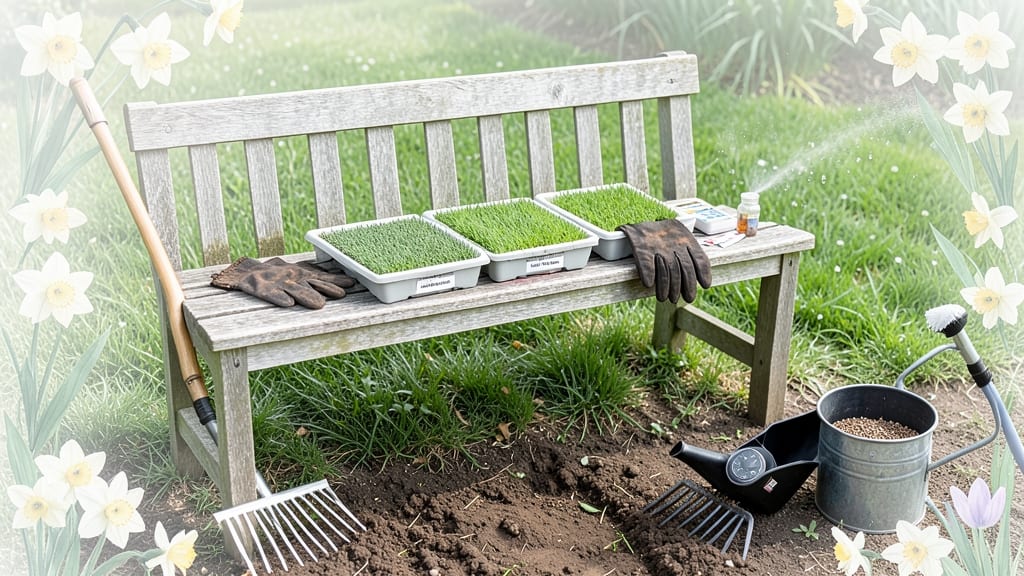
Timing your grass planting in North Carolina could mean the difference between a lush, green lawn and months of frustration with patchy growth.
The best time to plant grass in this state isn’t a one-size-fits-all answer—it depends on your USDA zone, whether you’re planting cool-season or warm-season varieties, and even your local microclimate.
Most gardeners in zones 6b-8a swear by early spring (March-April) or early fall (August-September) as the ideal windows for establishing grass roots before summer heat or winter dormancy sets in.
But here’s the catch: coastal areas, Piedmont regions, and mountain zones all have slightly different conditions that can shift your timeline by weeks.
If you’ve ever stared at a half-empty seed bag wondering why your lawn isn’t thriving, you’re not alone. The key to success lies in understanding how soil temperature, rainfall patterns, and even your grass type interact with North Carolina’s unpredictable weather.
Let’s break down the exact steps to plant your grass at the perfect moment for your specific zone.
From preparing your soil to choosing between seed and sod, and avoiding common pitfalls like planting too early or late, this guide will give you the confidence to transform your yard into the envy of the neighborhood. Ready to get started?
North Carolina grass planting timeline by USDA hardiness zones (5b, 6a, 7a, 8a)
North Carolina spans USDA Zones 5b through 8a, meaning the best planting times vary dramatically from the mountains to the coast.
Cool-season grasses like tall fescue and Kentucky bluegrass thrive when soil temps hit 50–65°F, while warm-season grasses like Bermuda or Zoysia need 75–85°F for optimal root growth. Timing isn’t just about months—it’s about avoiding summer heat stress or winter dormancy.
For most of North Carolina, the ideal planting windows are early spring (March–April) and early fall (August–September). However, Zone 8a (coastal areas) can stretch spring planting into May, while Zone 5b (mountains) may need to delay until late April to avoid frost.
Let’s break it down by zone to ensure your lawn gets the best start.
🌱 Pro Tip: Use a soil thermometer to confirm temps—50°F is the magic number for cool-season grasses, while warm-season grasses need 75°F+ to germinate.
| USDA Zone | Best Planting Months | Soil Temp Range | Grass Types | Key Considerations |
|---|---|---|---|---|
| 5b (Mountains) | Late April–May September–October |
50–65°F | Tall Fescue Fine Fescue |
Cooler climate; avoid late spring frost risk. |
| 6a (Piedmont) | March–April August–September |
50–65°F | Kentucky Bluegrass Tall Fescue |
Moderate humidity; watch for summer drought. |
| 7a (Coastal Plain) | February–March August–September |
55–70°F | Centipede St. Augustine |
Higher humidity; avoid waterlogged soil. |
| 8a (Coastal) | January–April August–October |
60–75°F | Bermuda Zoysia |
Warm winters; extend spring window. |
🌱 Note: Warm-season grasses (Bermuda, Zoysia) can also be planted in late spring (May–June) when soil temps exceed 75°F.
If you’re in Zone 5b (mountains), aim for late April to early May to dodge late frosts, while Zone 8a (coastal) gardeners can start as early as January for warm-season grasses.
The key is soil temperature, not just calendar months—cool-season grasses will rot in hot soil, and warm-season types won’t germinate in cold soil.
For cool-season grasses, September is ideal because it allows roots to establish before winter, while spring planting gives a head start for summer growth. Warm-season grasses, however, should never be planted in fall—they go dormant and won’t survive winter.
Instead, focus on late spring (May–June) for these types.
One common mistake is planting too early in spring when soil is still cold, leading to slow germination or fungal diseases. Conversely, fall planting too late risks weak roots before frost. Use the table above as your zone-specific guide to avoid these pitfalls.
💡 Zone-Specific Hack: In Zone 7a and 8a, overseeding in late September can give you a winter-green lawn if you use ryegrass, which germinates quickly in cool temps.
Now that you’ve got your zone and timing locked in, the next step is preparing your soil—pH, drainage, and organic matter make or break grass establishment. But first, let’s tackle the 5 critical factors that can shift your planting window even within the same zone.
5 Critical factors that determine the best planting time for your NC lawn
North Carolina’s diverse climate means the perfect grass planting time isn’t just about months—it’s about understanding your local microclimate. Whether you’re in the coastal humidity of Wilmington or the mountain chill of Asheville, these 5 factors will help you pinpoint the ideal window for your lawn.
First, soil temperature is non-negotiable. Grass seeds need soil between 50–65°F to germinate properly. In Zone 8a (eastern NC), this typically means planting in March or September, while Zone 6b (mountains) may wait until late April or August.
Next, consider your grass type. Cool-season grasses (like Kentucky Bluegrass) thrive when planted in early spring or fall, while warm-season grasses (like Bermuda) prefer late spring when soil warms up. Mixing these up? That’s a fast track to patchy growth.
Rainfall patterns play a surprising role. Coastal areas often get consistent spring showers, making March-April ideal, while inland regions may need to water more frequently in summer, pushing planting to fall. Check your local NOAA climate data for trends.
Don’t overlook humidity levels. High humidity in summer can smother new grass, while winter’s dormancy period means fall planting gives roots time to establish before frost. In Zone 7a, aim for August-September to avoid both extremes.
Finally, your soil type matters. Clay-heavy soils drain poorly and can suffocate seeds, while sandy soils dry out too fast. Amend your soil with compost or peat moss to create the perfect balance for your grass type.
Pro tip: Use a soil thermometer to check temperatures before planting. If it’s cooler than 50°F, wait—your seeds will just sit there, wasting your money and time. 🌱
🌡️ Critical Planting Factors for NC Grass
| Factor | Ideal Condition | NC Zone Adjustments |
|---|---|---|
| Soil Temperature | 50–65°F | Zone 6b: Wait until late April; Zone 8a: Plant by March |
| Grass Type | Cool-season: Spring/Fall; Warm-season: Late Spring | Coastal: Bermuda thrives in summer; Mountains: Fescue prefers fall |
| Rainfall | Consistent moisture (1/2" per week) | Coastal: Plant in rainy March; Inland: Fall planting reduces watering needs |
| Humidity | Low to moderate (avoid >70%) | Mountains: Lower humidity = safer summer planting; Coast: Avoid June-July |
| Soil Type | Well-draining, amended with compost | Clay soils: Add sand; Sandy soils: Mix in peat moss |
By aligning these factors with your local conditions, you’ll avoid the heartbreak of uneven germination or wasted seed. For example, if you’re in Raleigh (Zone 7b), aim for late March or early September—this balances soil warmth, rainfall, and humidity for optimal root growth.
Still unsure? Grab a soil thermometer and test your yard’s temperature for a week. If it’s consistently in that 50–65°F range, your grass is ready to sprout like a dream! ✂️