
Plants
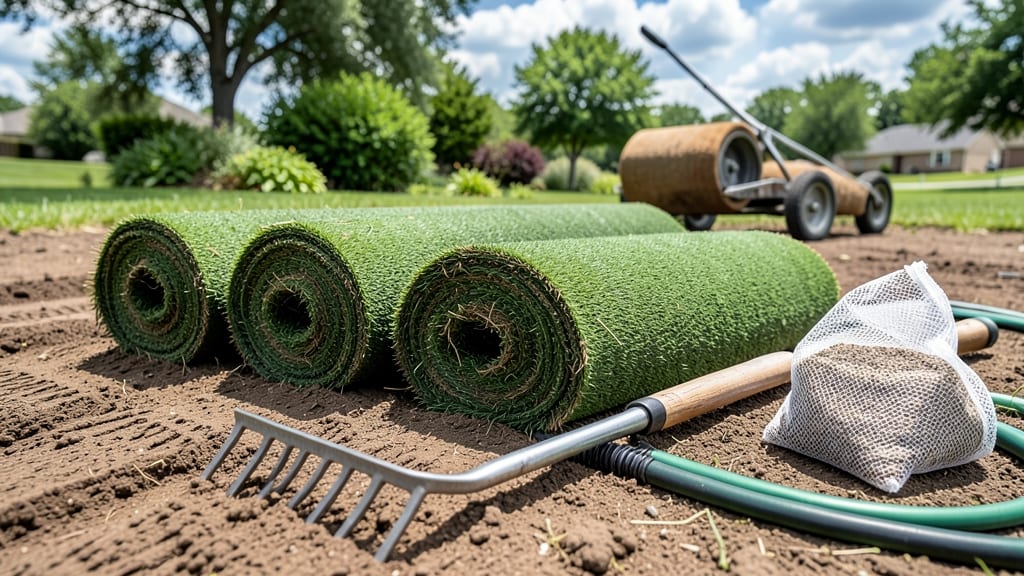
Planting sod at the wrong time in Texas can mean the difference between a lush, green lawn and a patchy, struggling mess—so getting the timing right is absolutely critical.
With Texas' extreme heat and unpredictable weather patterns, most homeowners make one of two mistakes: either planting too early when the soil is still cold, or waiting too late and facing scorching temperatures that stress the grass before it can take root.
The best time to plant sod in Texas actually depends on where you live within the state, but the general rule is to aim for when soil temperatures hit at least 60°F—that's typically early spring (March-April) or early fall (September-October).
These windows give your new sod the perfect balance of warmth for root growth without the brutal summer heat that can dry it out in days. North Texas has a slightly longer window than the southern regions, where the heat arrives earlier and stays longer.
What makes this even trickier is that Texas' rainfall patterns can shift dramatically between regions. Planting during a drought or right before a monsoon season can lead to either underwatering or overwatering problems.
That's why understanding your specific zone's climate—whether you're in the Panhandle, Hill Country, or Gulf Coast—is the key to success. I'll walk you through exactly how to time your planting with both soil temperatures and rainfall trends to give your sod the fastest, healthiest start possible.
Let's cut through the guesswork and get you the fastest, most reliable method for transforming your yard into a vibrant, low-maintenance lawn—without wasting time, money, or effort on trial and error.
You'll learn how to prepare your soil, when to water (and how much), and what to watch out for in Texas' unpredictable growing seasons. Ready to get started?
Ideal soil temperature ranges for planting sod in Texas regions
Texas' diverse climate means soil temperature varies dramatically from the Panhandle to South Texas. Planting sod when the soil is too hot or cold slows root growth, leading to brown patches or failed establishment. The perfect window depends on your region's USDA zone and average last frost date.
For North Texas (Zones 7b-8a), aim for soil temps between 60°F and 75°F. This typically aligns with late March to early May or September to early November.
In Central Texas (Zones 8a-8b), the ideal range is 65°F to 80°F, usually February to April or September to October. Meanwhile, South Texas (Zones 9a-10b) can plant year-round, but 68°F to 85°F in March-April or September-October yields the best results.
Testing soil temperature is simple: use a soil thermometer buried 4 inches deep (the depth sod roots establish first). Check temps in the morning for accuracy. If the soil is below 60°F, roots grow sluggishly; above 85°F, sod can bake and dry out.
Pro tip: Shade cloth can help lower soil temps by 5-10°F during summer planting in hotter regions like Austin or San Antonio. Just drape it over the area for 2-3 weeks post-installation.
In West Texas, where drought and high winds are common, focus on September-October planting to avoid summer's brutal heat. The Panhandle (e.g., Amarillo) should wait until late April to ensure soil warms enough for root growth.
Remember: Cool-season grasses (like Tifway Bermuda) thrive in 60°F–75°F, while warm-season grasses (like St. Augustine) prefer 75°F–85°F. Always match your grass type to the soil temp for best results.
If you're unsure about your local soil temp, check the Texas A&M AgriLife Extension website for regional planting guides. They offer free soil temperature maps updated weekly during growing seasons.
Once you’ve nailed the soil temperature, the next critical factor is watering. Texas' unpredictable rainfall patterns mean you’ll need a detailed watering plan to keep your sod hydrated without drowning it—especially in clay-heavy soils common in East Texas.
Best months to plant sod in Texas by season (with common mistakes to avoid)
Texas' extreme seasonal shifts make timing your sod planting critical. While most regions target early spring (March-April) or early fall (September-October), the exact window varies dramatically between North, Central, and South Texas.
For example, North Texas can plant as early as February, while the Gulf Coast must wait until April to avoid summer heat stress. These months align with soil temperatures between 60°F and 80°F, which is ideal for root establishment.
Fall planting—specifically September-October—is often the safest bet across Texas. Cooler temperatures reduce water loss, and the grass has time to establish roots before winter dormancy. However, if you're in South Texas, aim for August-September before the heat peaks.
The key is avoiding 100°F+ temperatures, which can bake sod roots within days.
Here’s the golden rule: Never plant sod when daytime highs exceed 90°F for more than a few days in a row. Even if the soil feels warm, the air temperature will stress the grass before roots take hold.
I’ve seen sod installed in May in Central Texas only to wilt and die by June—don’t make that mistake.
- Planting during heatwaves: Sod roots need consistent moisture—high temps evaporate water faster than grass can absorb it.
- Ignoring soil temperature: Cold soil (below 60°F) slows root growth, while scorching soil (above 85°F) burns roots.
- Skipping soil prep: Compacted or rocky soil strangles roots—always till and amend before laying sod.
- Overwatering at once: Drowning sod suffocates roots; water lightly but frequently for the first 2 weeks.
If you’re in North Texas, your last frost date is around March 15, so planting in late March or April gives sod time to root before summer. Meanwhile, South Texas can start as early as February but must finish by May to avoid drought.
Pro tip: Check your USDA Hardiness Zone (most of Texas is 8a-10b) and adjust your timing accordingly—zones 9 and 10 have longer growing seasons but also hotter summers.
One more critical tip: Avoid planting sod in late summer (July-August), even if you’re desperate for a lawn. The combination of intense heat and limited rainfall in Texas makes this the worst time.
Instead, mark your calendar for September 1st—this is the sweet spot for fall planting across nearly all of Texas. By then, the soil is still warm enough for root growth, but the air cools slightly, reducing stress on the grass.
Finally, watch your local weather forecasts in the weeks leading up to planting. If a 10-day heatwave is predicted, delay installation until after it passes. I’ve had clients rush to plant in late May only to see their sod turn brown within a week—don’t let that be you.
With the right timing, your sod will establish roots in 2-3 weeks and give you a thick, resilient lawn for years to come. 🌱