
Plants
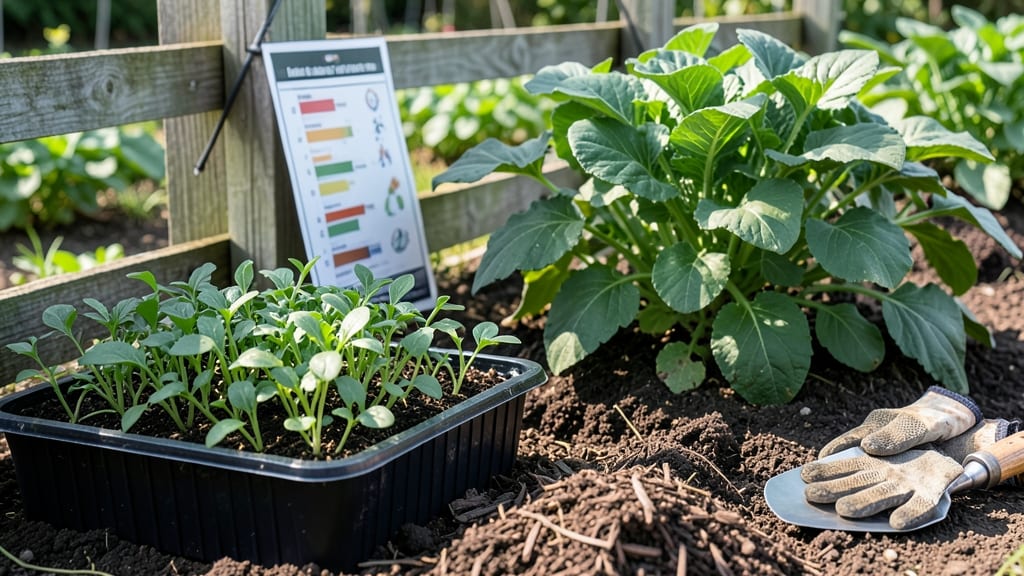
Planting mustard greens in Louisiana at the wrong time can mean bitter leaves or wasted effort—but getting the timing right guarantees a bountiful harvest of 🥬 tender greens all season long.
With Louisiana’s 8a-9b climate, the key is avoiding the brutal summer heat while capitalizing on cooler fall and spring windows. Most gardeners swear by planting between September-October for fall harvests or February-March for spring, but there’s more to it than just months.
Bolting—the enemy of mustard greens—can strike fast in Louisiana’s heat, but smart timing and variety selection can keep your plants thriving. I’ll show you exactly when to plant, how to extend your harvest, and which heat-tolerant varieties work best in our unique growing zones.
Whether you’re a seasoned gardener or just starting, these proven strategies will help you avoid common mistakes and enjoy fresh mustard greens from your Louisiana garden for months.
Best planting windows for mustard greens in Louisiana’s climate zones
Mustard greens thrive in Louisiana’s cooler months, but timing is everything to avoid bitterness or premature bolting from summer heat. The Pelican State’s USDA Zones 8a-9b offer two ideal planting windows: fall and early spring.
Let’s break down the best months for each zone and how to adapt for your specific location.
For fall plantings, aim to sow seeds 4-6 weeks before the first frost, typically between mid-September and October. This gives your greens enough time to mature before Louisiana’s average first frost date of December 1.
Coastal areas like New Orleans may push plantings slightly later, while inland regions like Shreveport should start earlier to account for cooler nights.
Spring plantings should begin 8-10 weeks before your last expected frost, usually around mid-February to March. This timing ensures harvests coincide with warmer soil temperatures (above 50°F) while avoiding the peak summer heat that triggers bolting.
In Zone 9b, like parts of Houston, you might even squeeze in a late-winter planting for an early spring harvest.
| Planting Window | Ideal Months | Harvest Window | Key Considerations |
|---|---|---|---|
| Fall Planting | September - October | October - November | Avoid planting after October 15 in most zones; use heat-tolerant varieties for late starts. |
| Spring Planting | February - March | April - May | Start seeds indoors in Zone 8a for earlier harvests; harden off before transplanting. |
| Late Summer (Risky) | August (Coastal Only) | September | Only attempt in Zone 9b with shade cloth and daily watering; bolting is likely. |
Louisiana’s microclimates create distinct regional differences. For example, coastal areas like Lafayette can extend fall plantings into early November thanks to milder winters, while northern parishes near Alexandria should finish by mid-October.
Always check your local frost dates using the Louisiana State University AgCenter’s frost calculator to fine-tune your schedule.
Soil temperature plays a critical role in germination. Mustard greens sprout best in soils between 50°F and 85°F, but ideal germination occurs at 60°F-70°F. In Louisiana, this means fall plantings benefit from naturally cooling soils, while spring plantings may require light row covers to warm the soil faster.
Use a soil thermometer to monitor temperatures, especially if you’re planting in early spring or late fall.
Another pro tip: Succession planting every 2-3 weeks during your chosen window ensures a continuous harvest. For example, if you plant your first batch in early September, follow up with mid-September and late-September plantings to stagger maturity.
This method works especially well for home gardeners with limited space, as it maximizes yield without overwhelming your plot.
When selecting a planting location, prioritize spots with well-draining soil and partial afternoon shade if your summers run hot. Mustard greens tolerate poor soil better than many greens, but amending with compost before planting boosts nutrient density and flavor.
Aim for a slightly acidic to neutral pH (6.0-7.0), which you can test with a home soil kit or send to a lab for precise results.
For container gardening, choose deep pots (at least 12 inches deep) with drainage holes to prevent root rot. Mustard greens grow well in 5-gallon buckets or larger, making them perfect for balconies or patios. Just
Finally, keep an eye on the weather forecast in the days leading up to planting. Mustard greens hate transplant shock, so avoid planting during extreme heat waves (above 90°F) or heavy rain events. If you must plant in hot conditions, do so in the early morning or late afternoon to reduce stress on young seedlings.
Best planting windows for mustard greens in Louisiana’s climate zones
Louisiana’s 8a-9b climate zones create unique challenges for growing mustard greens, but the right planting timing can make all the difference. The ideal window is September-October for fall harvests or February-March for spring, but regional microclimates (like coastal humidity vs. inland heat) demand flexibility.
Mustard greens bolt quickly in summer heat, so avoid planting between May and August unless you’re using shade cloth or heat-tolerant varieties. Even then, expect slower growth and potential bitterness from stress.
For fall harvests, aim to plant 4-6 weeks before the first frost (typically around December 1). This gives plants enough time to mature before cold snaps hit. In spring, plant 6-8 weeks before your last frost date (usually February 15) to enjoy fresh greens by April.
Coastal Louisiana gardeners can push late August plantings with shade cloth, but inland areas should wait until September. The USDA’s Plant Hardiness Map shows Louisiana’s 240 frost-free days, giving us a long growing season—but mustard greens prefer cooler weather to thrive.
For year-round production, try succession planting every 2-3 weeks during ideal windows. This ensures a steady supply while preventing overcrowding, which stresses plants and invites pests like aphids.
Pro tip: Check soil temps before planting—mustard greens grow best in 50-70°F soil. Use a soil thermometer to avoid planting too early when heat lingers underground.