
Plants
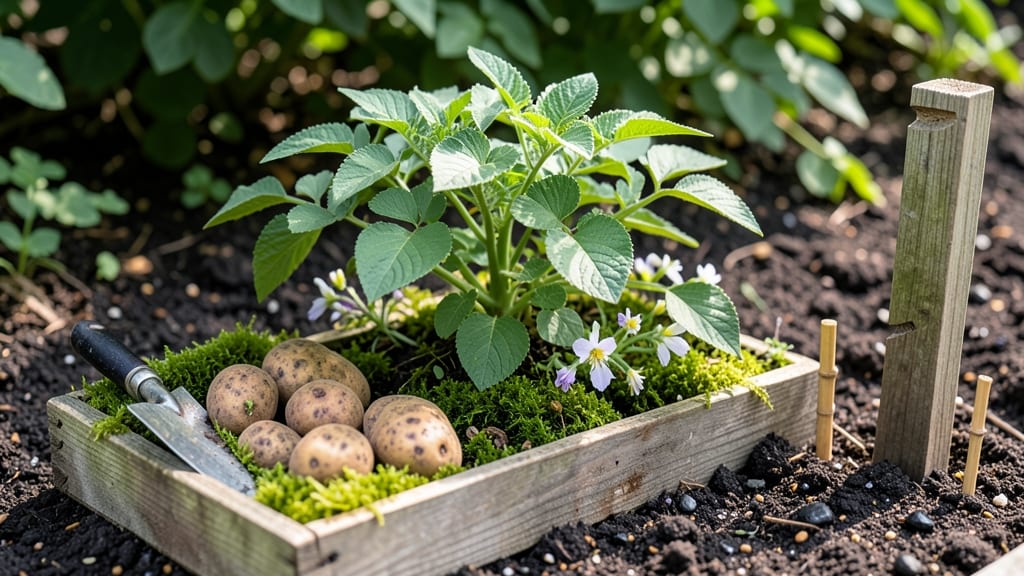
If you're growing potatoes in Zone 9, when do you plant potatoes in zone 9 isn’t just important—it’s the difference between a bountiful harvest and a failed crop. Unlike cooler climates, Zone 9's heat can quickly turn your 🥔 into a sad, shriveled mess if planted at the wrong time.
The key is avoiding the scorching summer months, which is why most successful gardeners here plant during the cooler seasons.
You might think spring is the only option, but in Zone 9, that approach often leads to disappointment. The secret lies in strategic planting: late fall through early spring gives your potatoes the best shot at thriving before temperatures rise.
This isn't just theory—it's a battle against the climate, and understanding these windows is your first line of defense.
What you'll discover here are the exact windows that work best for Zone 9, along with practical tips to extend your growing season. We're talking about soil temperature tricks, shade solutions, and variety selection that actually performs in this heat.
Let's get your potatoes off to the right start—because in Zone 9, timing really is everything.
Ready to skip the guesswork and plant with confidence? The right approach could mean the difference between a handful of small tubers and a bucketful of homegrown potatoes you'll actually want to eat. Let's make this your most successful potato-growing season yet.

Optimal planting windows for potatoes in Zone 9: avoiding heat stress
In Zone 9, traditional spring planting fails because potatoes hate summer heat. Instead, focus on fall/winter planting to align with cooler months when soil temps stay ideal—between 45°F and 65°F.
This strategy lets tubers mature before temperatures spike, preventing heat stress that causes poor yields or bitter flavors.
Your perfect planting window spans from October through February, with November and December being the safest months. This timing ensures potatoes grow during cooler winter days and finish before spring heat arrives.
For example, planting in mid-November often yields harvests by April or May, avoiding the brutal summer sun.
Soil temperature is your biggest ally. Use a soil thermometer to confirm temps are 50°F or above before planting. In Zone 9b, this usually means waiting until after the first winter chill (around December). If you plant too early, tubers may rot in cool, wet soil.
For early spring planting, aim for February—but only if you’re using fast-maturing varieties (like Red Pontiac) and can provide shade cloth. By March, daytime temps often climb too high, forcing potatoes to bolt prematurely or develop green, toxic skin from sun exposure.
Here’s how to calculate your exact planting dates: 1. Check your local frost-free date (Zone 9 rarely has frost, but use 300+ frost-free days as a guide).
- Subtract 90–120 days (harvest time) to find your last planting window.
- For fall planting, add 30–45 days of buffer for cooler soil.
Pro tip: Stagger plantings every 2–3 weeks between October and February to extend your harvest. This way, you’ll have continuous potatoes from March through June without heat-related setbacks.
| Planting Window | Soil Temp | Harvest Window | Key Considerations |
|---|---|---|---|
| Late October – November | 50°F–60°F | March – April | Best for cool winter growth; minimal heat stress. |
| December – January | 55°F–65°F | April – May | Ideal for slow, steady growth; avoid soggy soil. |
| February (Early) | 60°F+ | May – June | Risky; use shade cloth and fast varieties. |
If you miss the fall window, don’t panic—container growing can buy you extra time. Plant in black pots (absorbs heat) and place them in partial shade during peak afternoon sun. This delays soil warming by 1–2 weeks, giving potatoes a fighting chance in early spring.
Remember: Zone 9’s heat is your enemy, but timing is your weapon. By planting in fall/winter and using cool-season varieties, you’ll outsmart the climate and enjoy homegrown potatoes without the stress. Start with one test batch in November to see what works for your microclimate!
🌱
Optimal planting windows for potatoes in Zone 9: avoiding heat stress
In Zone 9, where summer temperatures can soar above 90°F (32°C), potatoes face a serious threat: heat stress. Unlike cooler zones, traditional spring planting often leads to bolting (premature flowering) or stunted growth. The secret? Planting during cooler months when soil temperatures stay below 70°F (21°C).
Your two best windows are late fall/winter (October–February) and early spring (March). Fall planting lets tubers mature before summer heat arrives, while spring planting must happen before April to avoid stress. Miss these windows, and you’ll battle poor yields or bitter-tasting potatoes.
🌱 Key Insight: Zone 9’s 300+ frost-free days mean potatoes grow year-round—but only if you time it right. Use a soil thermometer to confirm temps are ideal before planting.
| Planting Window | Soil Temp Goal | Ideal Months | Harvest Window |
|---|---|---|---|
| Late Fall/Winter | 45–60°F (7–15°C) | October–February | March–May |
| Early Spring | 50–65°F (10–18°C) | March–April | June–July |
| Risky Late Spring | Above 70°F (21°C) | May+ | Poor yields or bolting |
*Use a soil thermometer to verify temps before planting.
For fall planting, aim for 6–8 weeks before summer heat hits (typically late October–November). This gives tubers time to bulk up before soil warms. In early spring, plant as soon as soil is workable (usually March), but no later than April.
Pro tip: Stagger plantings every 2 weeks for a continuous harvest. For example, plant half in October and half in March to spread out your harvest timeline. This also reduces disease pressure from overcrowding.
If you’re unsure about your local microclimate, check USDA Zone 9b frost charts or ask your local Cooperative Extension office for precise last-frost dates. Even in Zone 9, light frosts can occur, and potatoes are surprisingly resilient if protected with row covers.