
Plants
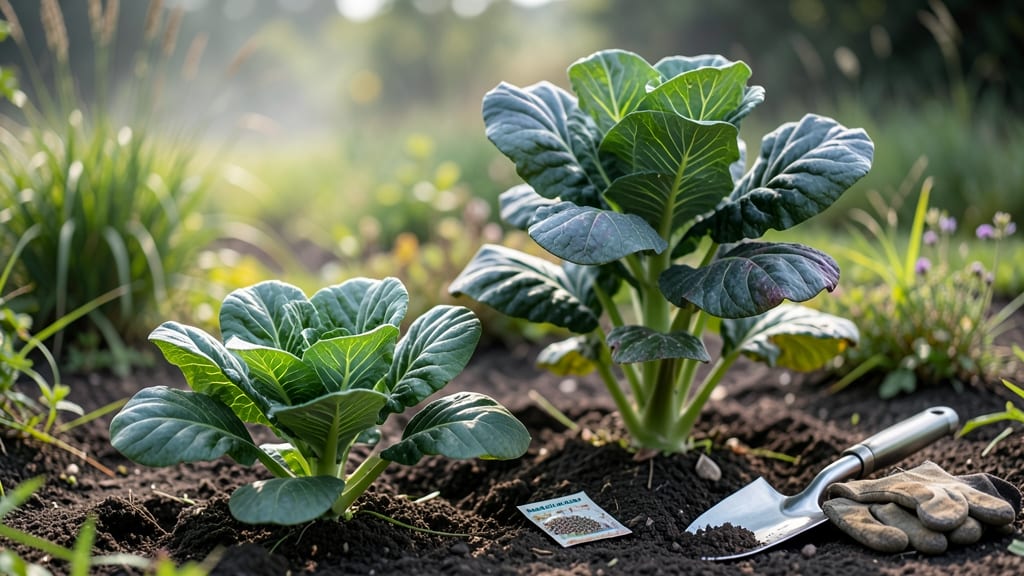
Planting collards in Alabama isn’t just about timing—it’s about outsmarting the heat and humidity that can turn your hard work into a wilted mess. If you’ve ever watched your leafy greens bolt in summer or struggle through winter’s chill, you know the stakes are high.
The secret lies in two critical windows: early spring and late summer, when temperatures cooperate just enough to give your 🥬 a fighting chance.
Alabama’s 7b-8b climate zones mean coastal areas near Mobile enjoy milder winters, while northern regions like Huntsville face earlier frosts. That’s why I’ve broken down the exact dates you need to plant for a thriving harvest—whether you’re growing heat-tolerant varieties like ‘Georgia Southern’ or classic cold-hardy types.
Skip the guesswork and let’s get your collards in the ground at the perfect moment.
Here’s what you’ll discover: how to stretch your growing season with succession planting, which months avoid the dreaded bolting phase, and why soil prep in August sets you up for a winter feast.
No more wasted seeds or bitter-tasting leaves—just a reliable supply of homegrown greens from October through February.
Ready to turn Alabama’s unpredictable weather into your collard-growing advantage? Let’s dive into the region-specific schedule that’ll keep your garden productive year-round—no matter where you are in the state.
Alabama’s best collard planting dates by region (Gulf Coast vs. North Alabama)
Alabama’s diverse climate—from the humid Gulf Coast to the cooler Appalachian foothills—means collard planting dates vary dramatically. In USDA zones 7b-8b, your best bets are early spring (February-March) and late summer (August-September).
The key? Avoid Alabama’s brutal summer heat (90°F+) while escaping early frost (December 1 average). Let’s break it down by region.
For the Gulf Coast (Mobile, Pensacola), where winters are milder, you can plant as early as January for a spring harvest. In Central Alabama (Birmingham, Montgomery), aim for mid-February to early March to beat the heat.
Meanwhile, Northern Alabama (Huntsville, Chattanooga) gardeners should wait until late March to avoid frost damage. These timelines ensure your heat-tolerant varieties like 'Georgia Southern' or 'Vates' thrive.
🚨 CRITICAL NOTE: If you plant too early in North Alabama, collards may bolt (go to seed) before producing edible leaves. Conversely, planting too late risks frost damage before maturity. Use frost-free date calculators (like the Alabama Extension’s) to fine-tune your schedule.
In urban areas like Birmingham or Huntsville, microclimates can shift planting dates by 1-2 weeks. For example, a south-facing garden in Zone 7b may warm up faster than a shaded spot. Always adjust for your specific last frost date—check local Alabama Cooperative Extension data for precision.
Pro tip: Start transplants indoors 4-6 weeks before your region’s ideal outdoor planting date. This gives seedlings a head start before Alabama’s summer heat peaks. Use biodegradable pots to avoid root disturbance when moving outdoors.
For fall harvests, aim to transplant 60-80 days before the first frost. In North Alabama, this means late August plantings for a November-December harvest. In the Gulf Coast, you can extend harvests into January with proper row covers.
💡 VARIETY MATTERS: Heat-tolerant collards like 'Top Bunch' handle 90°F+ temps better than traditional varieties. If you’re planting in late summer, prioritize these for longer harvest windows before frost.
Finally, soil prep is non-negotiable. Alabama’s clay-heavy soils need compost or aged manure mixed in to improve drainage. Test your soil’s pH (6.0-7.0 ideal) and amend if needed—collards hate acidic soil. Mulch with straw or pine needles to retain moisture and regulate soil temperature.
With these region-specific dates and heat-management tips, you’ll avoid the two biggest collard-growing mistakes in Alabama: bolting from heat or frost damage. Next, we’ll cover how to extend your collard season using shade and succession planting—essential for beating Alabama’s extreme summers! 🌱
How to extend your collard season in Alabama’s heat (succession planting & shade strategies)
Alabama’s summer heat can turn your collards into sad, wilted piles faster than you can say "southern humidity." But with the right strategies, you can stretch your growing season and avoid the dreaded bolting phase that turns your greens bitter.
The key? Succession planting and smart shade management to keep your 🥬 thriving when temperatures climb above 90°F.
Most gardeners focus on spring and fall planting, but the real secret lies in staggered plantings every 3 weeks starting in late July. This ensures a continuous harvest through winter, even if summer’s heat tries to sabotage your garden.
For example, if you plant your first batch in late July, follow up with batches in early August, late August, and early September—just before the first frost hits.
Here’s the game-changer: shade cloth. A 30-50% coverage shade cloth can drop soil temperatures by 10-15°F, giving your collards the reprieve they need. Install it in early June if you’re starting seedlings indoors, or drape it over outdoor plants by mid-July. Just
| Strategy | Action | Best For |
|---|---|---|
| Succession Planting | Plant every 3 weeks from July to September | Continuous harvest |
| Shade Cloth (30-50%) | Install by mid-July, remove in fall | Heat protection |
| Mulching | 2-3 inches of straw or wood chips | Soil temp control |
| Heat-Tolerant Varieties | 'Georgia Southern' or 'Top Bunch' | Summer planting |
Don’t make the mistake of overwatering in Alabama’s humidity—this is a fast track to fungal diseases like downy mildew. Instead, water deeply in the morning (before 10 AM) to give leaves time to dry. Aim for 1-1.5 inches per week, and always check the soil first. If the top inch is dry, it’s time to water; if it’s still moist, hold off.
Watch for heat stress signs like yellowing leaves, curled edges, or stunted growth. These are your collards’ way of screaming for help! If you spot them, move plants to partial shade immediately and increase watering slightly.
With these adjustments, your collards will keep producing tender, flavorful leaves long after most gardeners have packed it in for the year.
Pro tip: Pair your collards with radishes or bush beans in the same bed. The radishes mature quickly and mark where you can plant more collards without crowding. It’s a win-win for your garden’s space and your dinner table.