
Plants
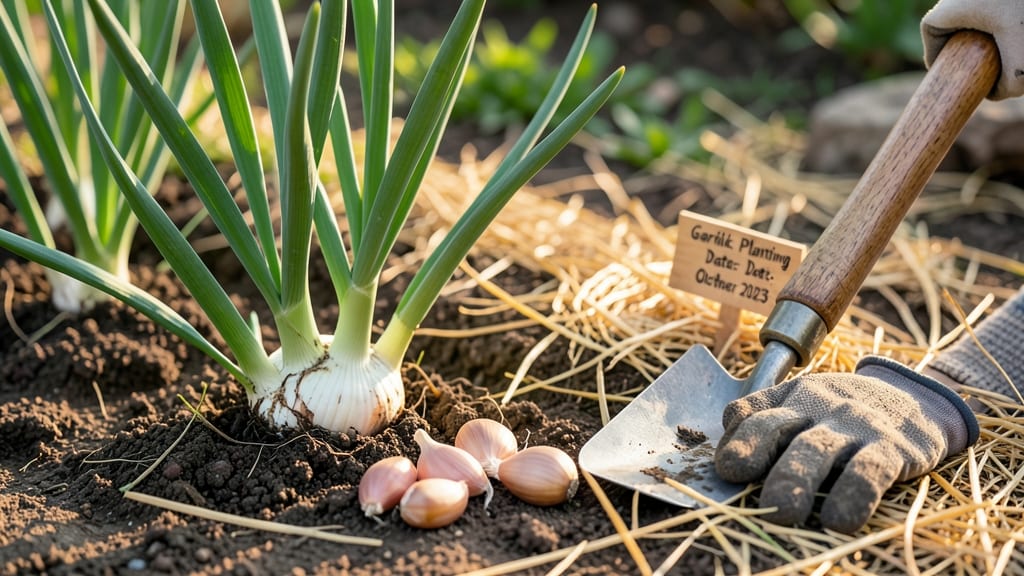
Timing your garlic planting in Zone 4b isn't just about the calendar—it's about capturing that sweet spot between frost and soil warmth that turns cloves into plump, flavorful bulbs. Miss the window, and you might end up with small, weak harvests or even total failure.
The key? Planting 4-6 weeks before the ground freezes, typically in October or early November, when soil temps hover around 40-50°F.
Why does this matter so much? Garlic 🧄 thrives in cold climates like Zone 4b, but it needs that chill period to develop properly. Too early, and your cloves might rot in soggy soil; too late, and they won’t have enough time to root before winter sets in.
The solution? A strategic approach that accounts for your local frost dates and soil conditions.
In this guide, I’ll break down the exact weeks before frost you should plant, how to prep your soil for success, and why hardneck varieties often outperform softneck in Zone 4b’s unpredictable winters.
Whether you’re a first-time grower or a seasoned gardener, these tips will help you maximize your harvest next summer.
Ready to grow garlic that rivals store-bought? Let’s dive into the perfect planting schedule and soil prep tricks that make all the difference in Zone 4b.

Optimal planting windows for garlic in Zone 4b: exact weeks before frost
Garlic in Zone 4b thrives when planted 4-6 weeks before the ground freezes, typically between mid-October and early November. This timing ensures cloves establish roots before winter while benefiting from the cold stratification they need to form bulbs.
In Zone 4b, where average first frost hits around October 20, aim to plant by mid-October for ideal results.
Hardneck varieties—like Music or German White—are the best choice for Zone 4b because they require cold exposure to develop their signature bulbs. Softneck varieties, such as Silverskin, can also grow here but may produce smaller bulbs if planted too late.
The key is balancing soil warmth (around 40-50°F) with frost timing to avoid premature dormancy.
To pinpoint your exact planting window, check your local average first frost date—most Zone 4b regions fall between October 15 and November 1. For example, in Minneapolis, plant by October 10, while in Syracuse, you might extend to October 25.
Adjust based on your microclimate, as valleys and low-lying areas freeze earlier.
Here’s the science behind the timing: Garlic needs 12-16 weeks of cold temperatures (below 40°F) to vernalize, a process that triggers bulb formation. Planting too early (e.g., September) risks rot in wet soil, while planting too late (e.g., December) means cloves won’t root before freezing.
The 6-week window before frost is your sweet spot.
Zone 4b Garlic Planting Timeline
| Stage | Action | Soil Temp | Notes |
|---|---|---|---|
| Prep Soil | Add compost, test pH (6.0-7.0) | 50-60°F | Avoid fresh manure |
| Plant Cloves | Pointy end up, 2" deep | 40-50°F | 4-6 weeks before frost |
| Winter Dormancy | Mulch with straw (4-6") | Below 32°F | Prevent heaving |
| Spring Growth | Remove mulch, water deeply | 45-55°F | Avoid fertilizer |
| Harvest | When lower leaves brown | 60-70°F | July-August next year |
For hardneck garlic, which is ideal for Zone 4b, the 12-week cold requirement starts counting from planting. If you plant on October 15, your cloves will experience the necessary chill by January 15, setting the stage for bulb development in spring.
Softneck varieties, while less cold-hardy, can still be planted in Zone 4b but may need extra mulch to protect them from winter extremes.
Pro tip: Use a soil thermometer to confirm temps are below 50°F before planting. If your soil stays warm longer (e.g., in urban areas), delay planting until late October to avoid rot. Conversely, in colder microclimates, plant by mid-October to ensure roots establish before frost.
Once planted, mulch heavily with straw or leaves (4-6 inches) to insulate cloves from freeze-thaw cycles, which can heave them out of the soil. This is critical in Zone 4b, where temperature swings are common. In spring, remove mulch gradually to prevent rot from excess moisture as soil warms.
Remember: The earlier you plant within the 4-6 week window, the larger your bulbs will be. But don’t rush—soil needs to cool to 50°F or below for roots to form properly. Balance patience with timing, and you’ll reap the rewards of homegrown garlic next summer.
Optimal planting windows for garlic in Zone 4b: exact weeks before frost
Garlic 🧄 in Zone 4b thrives when planted 4-6 weeks before the ground freezes, typically between mid-October and early November. This window ensures cloves establish roots before winter while benefiting from cold stratification—a process that boosts bulb size.
For example, if your first frost hits October 20, aim to plant by September 20-25.
The 12-16 week rule is your golden metric: garlic needs this time to mature before summer harvest. In Zone 4b, where winters are harsh, hardneck varieties like ‘Music’ or ‘German White’ outperform softnecks, as they tolerate colder soils better.
Soil temps should be 40-50°F at planting depth for ideal root development.
🌱 Zone 4b Garlic Planting Timeline
| Stage | Action | Soil Temp |
|---|---|---|
| Prep Soil | Add compost, test pH (6.0-7.0) | Warm |
| Plant Cloves | 4-6 weeks before frost | 40-50°F |
| Winter Dormancy | Mulch 4-6 inches | Below 32°F |
| Spring Growth | Remove mulch, water deeply | 45-65°F |
| Harvest Ready | July-August (brown lower leaves) | 70-85°F |
✅ Pro Tip: Use a soil thermometer to confirm temps before planting.
For early harvests, plant hardneck varieties in late September—these mature faster but need colder soils. Conversely, softnecks like ‘Silverskin’ planted in early November store longer but risk smaller bulbs if winter is severe.
Always adjust for your last frost date; in Zone 4b, this can vary by 1-2 weeks between regions.
Mulching with straw or leaves (4-6 inches) after planting is critical in Zone 4b. It insulates roots from soil heaving during freeze-thaw cycles, which can uproot cloves. In my garden, I’ve seen mulched plots yield 30% larger bulbs compared to unmulched areas.
If you miss the fall window, spring planting is possible but yields are 50% smaller. Plant cloves in early April when soil reaches 50°F, but expect harvests by late June—too late for peak flavor.
For best results, stick to fall planting and let Zone 4b’s cold work its magic.
Remember: Garlic needs cold to grow big. In Zone 4b, where winters are long, this advantage translates to plump, robust bulbs—worth the precise timing! 🌿