
Plants
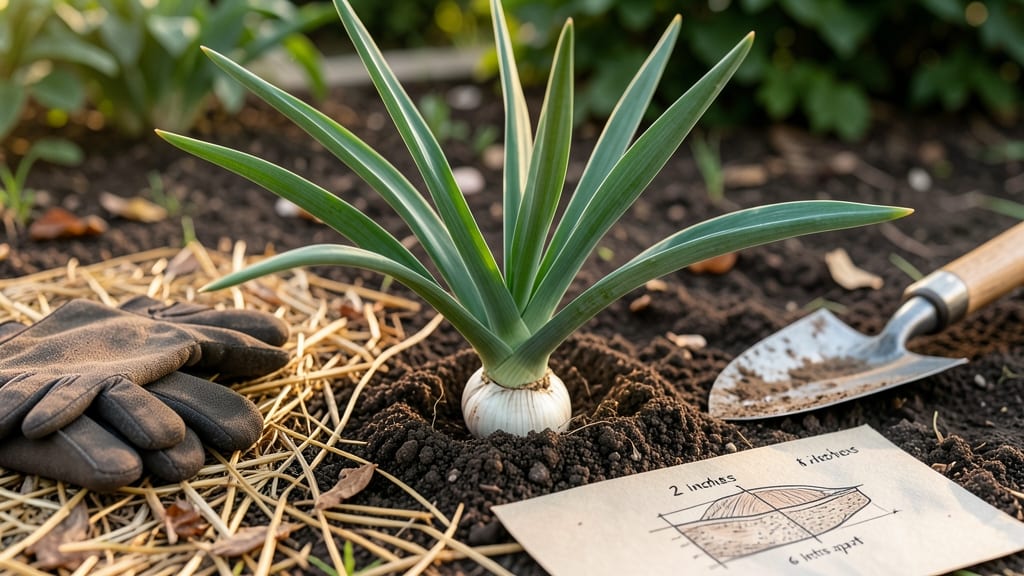
Timing your 🧄 garlic planting in Virginia isn’t just about throwing seeds in the ground—it’s the key to unlocking a harvest that’ll make your kitchen the envy of the neighborhood.
The difference between flourishing cloves and wasted effort often comes down to those crisp fall days when the soil cools and the frost lingers.
In Virginia’s 7a-8a zones, where winters can be unpredictable, planting too early or too late throws off your entire growing season.
Hardneck varieties, the star of Virginia gardens, need that perfect window—October to November—when the ground is workable but still has time to root before the first frost. Get it wrong, and you might end up with stunted bulbs or, worse, nothing at all.
What makes Virginia’s garlic timeline unique? Unlike other regions, our variable frost dates mean you’ve got to play it smart.
Whether you’re in the mountains or the Tidewater, I’ll show you exactly when to plant, how to prep your soil, and the little tricks—like mulching—that keep your garlic thriving through winter. Let’s get your fall planting on the right track.
Ready to grow plump, flavorful bulbs that’ll last through next summer? The secret starts now—with the right timing, soil prep, and a few Virginia-specific adjustments. Let’s dive into what you need to know before the first chill hits.
Optimal fall planting dates for Virginia garlic by region
Virginia’s diverse climate means your garlic planting window varies dramatically from the mountains of the west to the coastal plains of the east. Hardneck garlic—Virginia’s best choice—needs 4-6 weeks of cold soil before winter dormancy.
Plant too early, and cloves rot; too late, and bulbs won’t mature. Let’s break down the perfect timing by region to maximize your harvest.
Northern Virginia (USDA Zones 6b-7a, including Shenandoah Valley) has the earliest frost dates, typically mid-October to early November. This means your planting window opens late September through mid-October.
Aim for October 1-15 for ideal bulb development. Soil temps should hover around 40-50°F at planting time—use a soil thermometer if unsure.
Central Virginia (Zones 7a-7b, including Richmond and Charlottesville) offers a slightly longer window. Here, plant mid-October through early November, with October 20-November 5 being the sweet spot.
The first hard frost usually arrives November 10-20, so don’t delay beyond that. Southern exposure in beds helps extend your window by 1-2 weeks.
Southern Virginia (Zones 7b-8a, including Norfolk and Roanoke) has milder winters, pushing planting dates later. Focus on late October through mid-November, with November 1-15 as your target.
The first frost often arrives December 1-15, giving you more flexibility—but don’t wait too long, or bulbs may not fully develop.
| Region | USDA Zone | Planting Window | First Frost Date | Soil Temp at Planting |
|---|---|---|---|---|
| Northern VA | 6b-7a | Late Sept - Mid-Oct | Mid-Oct to Early Nov | 40-50°F |
| Central VA | 7a-7b | Mid-Oct - Early Nov | Nov 10-20 | 40-50°F |
| Southern VA | 7b-8a | Late Oct - Mid-Nov | Dec 1-15 | 45-55°F |
🌱 Pro Tip: Adjust for microclimates—plant 1-2 weeks later in sheltered valleys or earlier on exposed hilltops.
Missed the fall window? You can still plant garlic in early winter (December), but bulbs will be smaller and less flavorful. For a second crop, try softneck garlic, which tolerates later plantings but requires year-round growing. However, hardneck varieties—Virginia’s favorite—demand that fall planting for optimal results.
Use local frost date data from the Virginia State Climate Office to fine-tune your schedule. For example, Black Mountain (Zone 6a) may need garlic in the ground by October 1, while Williamsburg (Zone 8a) can wait until November 10.
Always plant 4-6 weeks before the ground freezes—this ensures roots establish before winter.
After planting, mulch with 4-6 inches of straw to insulate bulbs during freeze-thaw cycles. This protects against heaving (when soil expands and pushes bulbs above ground).
In Northern Virginia, mulch in early November; in Southern Virginia, wait until December. Remove mulch in early spring to prevent rot.
Hardneck garlic needs vernalization—a period of cold to trigger bulb formation. Virginia’s winters provide this naturally, but uneven snow cover can disrupt the process. If you notice uneven bulb sizes next summer, consider thicker mulching or row covers in regions with mild winters (like Tidewater).
For organic gardeners, avoid synthetic fertilizers before planting. Instead, amend soil with composted manure or worm castings in early fall. This improves drainage and nutrient availability, helping garlic establish strong roots before winter. Test your soil’s pH (6.0-7.0)—garlic hates acidic soil, which can stunt growth.
Remember: Timing is everything in Virginia’s garlic-growing success. Plant too early, and cloves rot; too late, and bulbs won’t mature. Use this guide to align your planting with local frost dates, and you’ll be harvesting plump, flavorful garlic by mid-summer. 🌾
Signs your Virginia garlic planting time is perfect (or too late)
Timing your garlic planting in Virginia isn’t just about checking a calendar—it’s about reading your soil, weather, and moon phases like a seasoned pro.
The ideal window is when your soil temperature drops to 40-50°F, signaling it’s cool enough for roots to establish but warm enough to prevent frost damage.
For most of Virginia, this falls in late October to early November, but your exact timing depends on your USDA zone and local frost patterns.
One of the first signs you’re ready to plant is when your soil is workable but not soggy. Stick a finger about 6 inches deep—if it feels cool to the touch but isn’t frozen, it’s time.
Another clue? The moon phase. Planting during the waning moon (after a full moon) is said to encourage stronger bulb development, so check your lunar calendar if you’re a believer in old gardening wisdom.
If you’re unsure whether you’ve planted too early, watch for sprouting before winter. While garlic can handle some cold, if your cloves sprout and grow before the ground freezes, they’ll be vulnerable to rot or frost heave.
Aim to plant 4-6 weeks before your first hard frost, giving your garlic just enough time to root without shooting up too soon.
Here’s a quick