
Plants
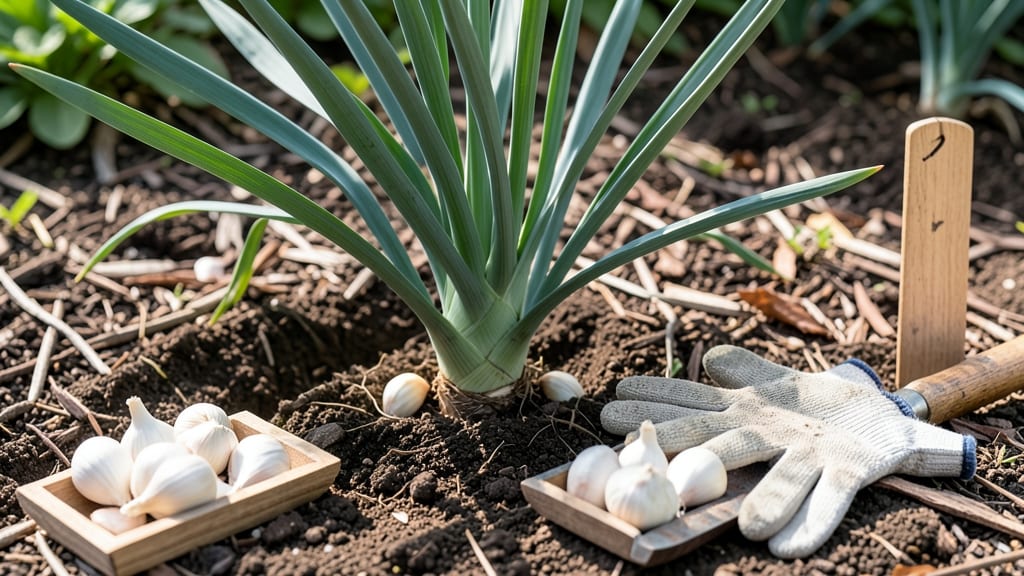
Timing garlic planting in Tucson isn’t just about the calendar—it’s about outsmarting the desert’s unpredictable frost-free window. Plant too early, and your 🧄 might bolt before spring; too late, and you’ll miss the sweet spot for plump bulbs.
The key? Locking in October to November when soil temps dip but frost stays away.
Here’s the secret Tucson gardeners swear by: hardneck varieties thrive when planted in early fall, while softnecks can stretch into December. But don’t let the dates fool you—your microclimate matters. Urban Tucson’s heat pockets behave differently than rural areas, and clay-heavy soils demand extra prep.
I’ve grown garlic here for years, and the one mistake that ruins harvests? Ignoring soil readiness. You can’t just follow a chart—you’ve got to check moisture levels and mulch right to retain that precious winter dampness.
Let me show you exactly how to nail the timing and keep your garlic happy through Zone 9b’s quirks.
Ready to grow garlic that’s bigger, stronger, and actually survives Tucson’s dry heat? We’ll cover soil tests, mulching hacks, and when to start watering—so you’re not guessing when to plant. Your flavorful harvest starts now.
Tucson’s ideal garlic planting calendar: month-by-month frost-free guide
Tucson’s USDA Zone 9b climate demands precision when planting garlic. Unlike cooler regions, we skip spring planting entirely—our fall window is the only chance to grow bulbs before the heat forces bolting.
The key? Planting 6-8 weeks before your first frost, which in Tucson typically lands between mid-October and early November.
Hardneck varieties like 'Silverskin' or 'German Red' thrive best in Tucson’s climate, while softneck types ('Artichoke') tolerate slightly later plantings. The soil temperature must drop below 70°F for cloves to sprout reliably—this usually happens by late September in most areas.
Here’s your month-by-month breakdown for planting garlic in Tucson, accounting for elevation differences (urban areas vs. foothills) and microclimates:
| Month | Planting Window | Soil Temp | Climate Notes |
|---|---|---|---|
| September | Early (urban areas only) | 70-75°F | Risk of bolting; best for high-elevation sites |
| October | Ideal (primary window) | 60-70°F | Perfect for hardneck varieties; soil cools reliably |
| November | Secondary (softneck only) | 55-65°F | Lower risk of heat stress; mulch heavily |
| December | Emergency (high risk) | 50-55°F | Only for experienced gardeners with shade cloth |
Pro tip: In Tucson’s urban heat islands, soil stays warmer longer. Test your garden’s readiness with a soil thermometer—aim for 60-65°F at 4" depth before planting. Rural areas can plant 1-2 weeks earlier due to cooler nights.
If you miss the fall window, don’t panic. While spring planting is rare in Tucson, you can try January for softneck varieties, but expect smaller bulbs. The critical factor is ensuring 240+ frost-free days for bulb maturation—something Tucson reliably delivers when planted in fall.
For hardneck garlic, which produces scape shoots, plant by October 15th to avoid scapes forming too early. Softneck varieties are more forgiving and can handle November plantings with proper mulching. Always use individual cloves separated from the bulb, planted 2" deep and 4-6" apart.
One Tucson-specific hack: Use black plastic mulch in early fall to warm soil faster. This lets you plant 2-3 weeks earlier in urban areas where soil cools slowly. Just remove it once cloves sprout to prevent overheating.
Remember, harvest timing is just as critical as planting. In Tucson, garlic is ready to harvest April-May—when lower leaves brown but upper leaves stay green. Curing bulbs in a shady, dry spot for 2-3 weeks preserves their flavor.
5 Critical signs Tucson’s soil is ready for garlic planting (and when to wait)
Tucson’s clay-heavy soils and unpredictable rainfall mean you can’t just plant garlic based on a calendar. Instead, watch for these 5 key soil signals that tell you when it’s truly time to plant—before the first frost risk arrives.
First, your soil temperature should hover between 50-60°F at a depth of 4 inches. Use a soil thermometer to check—if it’s warmer, wait. Cold soils slow root growth, and garlic needs consistent warmth to establish before winter chills set in.
Next, moisture levels are your best friend. Press your finger 2 inches into the soil—it should feel slightly damp but not soggy. Tucson’s dry air drains moisture fast, so if the soil feels bone-dry, water deeply 24 hours before planting to mimic natural winter rains.
Don’t overlook soil texture. Tucson’s clay can compact easily, suffocating young roots. Before planting, amend the top 6 inches with compost or aged manure to improve drainage. A quick test: grab a handful—if it forms a tight ball that doesn’t crumble, it’s too compact.
Finally, check the weather forecast for the next 6 weeks. Hard frosts below 20°F can kill garlic, even if it’s established. Urban Tucson often stays warmer than rural areas, but microclimates vary—ask neighbors with similar gardens for their frost history.
Pro tip: Plant hardneck varieties (like ‘Silverskin’) in October when nights cool but days stay warm. Softnecks (like ‘Artichoke’) can wait until November**, but watch for early bolting if temps spike. Timing is everything in the desert!