
Plants
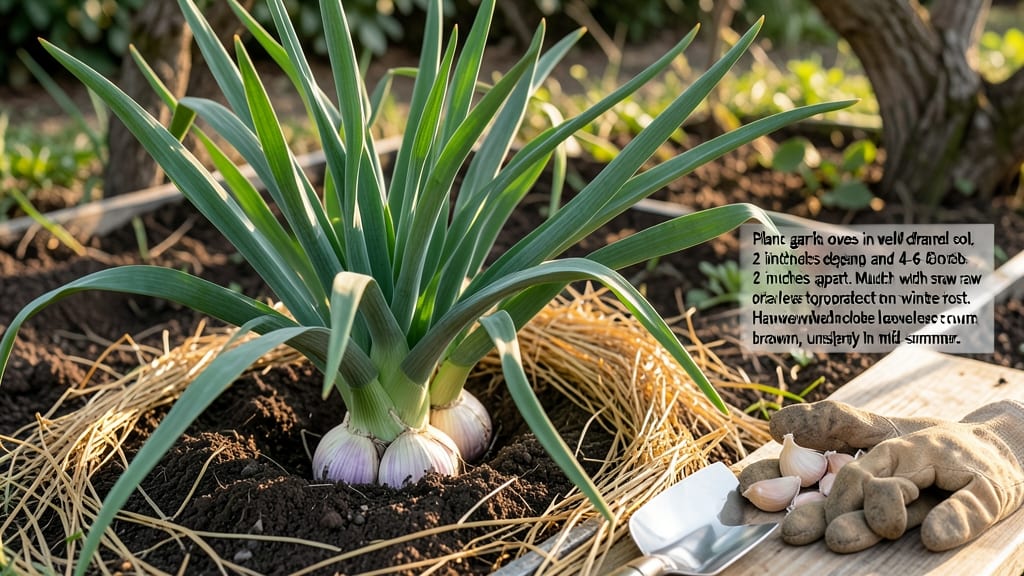
Timing garlic 🧄 planting just right in Ohio’s Zone 6 isn’t just about luck—it’s the difference between a thriving harvest and wasted effort next summer. If you’ve ever planted garlic only to watch it rot over winter or fail to bulb properly, you’re not alone.
The secret lies in a 4-week window that aligns with soil temperatures and frost patterns unique to this region, and missing it can mean smaller bulbs or no harvest at all.
Most gardeners in Ohio know fall planting is key, but the exact timing—between October and November—can feel like a moving target. Too early, and your garlic might sprout before winter sets in; too late, and the cold ground won’t give it enough time to root before freezing.
I’ll break down the science behind the ideal 6-week pre-harvest window and how to adjust for Ohio’s unpredictable weather, so you can plant with confidence and avoid common pitfalls.
What if your October is unusually warm or your November brings an early freeze? I’ve got you covered with backup strategies to extend your planting window without sacrificing quality.
Plus, I’ll share the one critical mistake Ohio gardeners make that leads to poor bulb formation—and how to fix it before it’s too late. Let’s get your garlic off to the best possible start.
By the end of this guide, you’ll know exactly when to plant, how to prepare your soil, and what to watch for in the months leading up to harvest.
Whether you’re a first-time grower or a seasoned gardener looking to boost your yield, these insights will help you grow hardneck garlic that’s bigger, healthier, and ready to harvest in July or August. Let’s dive in.

The exact 4-Week planting window for Ohio Zone 6 hardneck garlic
Ohio’s Zone 6 climate creates a 4-week window for planting hardneck garlic—typically between mid-October and mid-November. This timing ensures garlic roots establish before winter dormancy while avoiding spring planting pitfalls. The key is soil temperatures between 40-50°F, which signals garlic to begin root growth without triggering premature sprouting.
For Ohio gardeners, this means planting 4-6 weeks before the first hard frost (usually mid-November). Hardneck varieties like ‘German White’ or ‘Music’ thrive when planted in this window, producing larger bulbs by next summer.
The 6-week pre-harvest period in July-August depends entirely on this fall timing—plant too late, and you risk small, weak bulbs.
Here’s the critical timeline for Ohio’s Zone 6:
Why this window works: Garlic needs cold vernalization (40-50°F soil temps) to form bulbs. Planting too early (September) risks premature sprouting or rot, while planting too late (December) stunts root growth. Ohio’s Zone 6 frost dates (first frost: mid-October; last frost: mid-November) create the perfect buffer.
For Columbus gardeners, aim for October 15-November 1, while Cleveland’s slightly cooler climate may extend the window to November 10. Use a soil thermometer to confirm temps—garlic roots won’t establish below 40°F.
If your soil stays warm late (e.g., microclimates near buildings), plant 2 weeks earlier.
Pro tip: Hardneck garlic stores nutrients over winter, so skip spring fertilizing. Instead, add a light 10-10-10 feed at planting (1 tbsp per plant) to kickstart growth. Over-fertilizing now leads to leafy growth at harvest time, not bulb development.
If you miss the fall window, spring planting is possible but yields 50% smaller bulbs. For spring planting in Ohio, wait until March 1 when soil reaches 50°F consistently. However, spring-planted garlic lacks the cold vernalization needed for optimal bulb size.
Remember: The 6-week pre-harvest period (July-August) is your reward for nailing the fall timing. Plant now, and by next summer, you’ll harvest plump, flavorful hardnecks—perfect for braiding and storing through winter.
🌱
The exact 4-Week planting window for Ohio Zone 6 hardneck garlic
Ohio’s Zone 6 climate creates a unique challenge for garlic growers: the 4-week window between late October and mid-November is your only shot at a successful harvest. This isn’t just about avoiding frost—it’s about giving your garlic cloves time to develop strong roots before the ground freezes solid.
When soil temperatures drop below 40°F, garlic growth slows dramatically, and planting too late means weak root systems that struggle to survive winter.
Hardneck garlic, the variety most Ohio gardeners grow, needs 6-8 weeks of cold exposure to form bulbs properly. In Zone 6, this means planting when daytime highs hover around 50-60°F and nights dip into the 30s°F.
If you miss this window, you risk either premature sprouting (if planted too early) or frozen cloves (if planted too late). The key is to time your planting so roots establish before the first hard freeze, typically around mid-November in most of Ohio.
🌱 Ohio Zone 6 Garlic Planting Timeline
| Stage | Action | Soil Temp | Notes |
|---|---|---|---|
| Late October | Plant cloves 2" deep, 4-6" apart | 50-60°F | Ideal for root establishment |
| Mid-November | Last safe planting date | 40-45°F | Risk of frozen cloves increases |
| Winter (Dec-Feb) | Dormant growth; mulch heavily | Below freezing | Protect from heaving with straw |
| March-April | Shoots emerge; remove mulch | 45-55°F | Thin if overcrowded |
| July-August | Harvest when lower leaves brown | 70-80°F | Cure bulbs for 2-3 weeks |
📅 Pro Tip: Use a soil thermometer to confirm temps are below 50°F before planting—this prevents premature sprouting.
For gardeners in southern Ohio (like Athens or Chillicothe), the window stretches slightly later—sometimes into early December—because milder microclimates delay frost. Meanwhile, northern Ohio (Cleveland, Toledo) may need to plant as early as late September to avoid frozen soil.
The USDA’s first frost date calculator for your specific ZIP code is your best friend here—aim to plant 4-6 weeks before that date.
One common misconception is that garlic can handle any fall planting as long as it’s before winter. But in Ohio’s Zone 6, planting in September is risky—warm soils can cause cloves to sprout before roots establish, leading to weak plants that rot over winter.
Conversely, planting in December often results in frozen cloves that fail to sprout in spring. The 4-week window is non-negotiable for hardneck varieties, which require cold vernalization to form bulbs.
If you’re still unsure about your local frost dates, consider test planting a small batch in early October. Monitor the soil temperature with a digital thermometer—if it stays above 50°F for more than 3 days, your cloves may sprout too soon.
In that case, delay planting by 1-2 weeks or use a lightweight row cover to slow sprouting until temperatures drop.
Remember, the goal isn’t just survival—it’s maximizing bulb size. Garlic planted in the ideal October-November window will produce bulbs that are 30-50% larger than those planted at the edges of the timeline.
That’s the difference between a handful of small cloves and enough garlic to stock your pantry for a year. Don’t leave it to chance—mark your calendar for mid-October and get those cloves in the ground!