
Plants
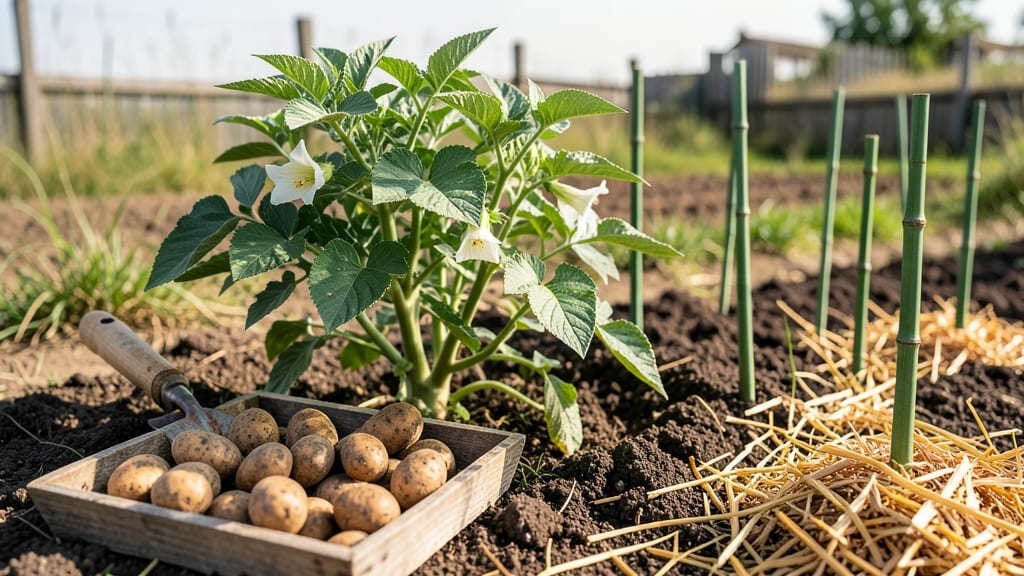
If you’ve ever wondered when is the best time to plant the potatoes in Ohio for a bountiful harvest, the answer likely lies in timing.
Planting your 🥔 too early risks frost damage, while waiting too long cuts your growing season short—both mistakes can leave you with less than ideal results.
Ohio’s 6a climate zone means you’ve got a narrow window—typically between early March and mid-April—to plant potatoes for the best chance at success. But with frost dates that can shift from year to year, figuring out the perfect moment isn’t always straightforward.
The key is understanding soil temperatures, local frost patterns, and how they interact with your favorite potato varieties.
I’ll break down exactly when to plant in Ohio, from soil prep to adjusting for unpredictable weather. Whether you’re a seasoned gardener or just starting out, these insights will help you time your plantings like a pro.
Let’s dig into the details so you can grow the harvest you’ve been dreaming of.
From choosing cold-hardy varieties like Yukon Gold to using row covers for extra protection, you’ll discover practical strategies to maximize your potato crop—no matter what Ohio’s spring throws your way. Ready to turn your garden into a potato powerhouse?
Ohio’s ideal potato planting windows by soil temperature and frost dates
Ohio’s diverse climate—from the cooler northern regions to the milder southern areas—means potato planting windows vary dramatically. The last average frost date in Ohio typically falls between April 15 (north) and April 20 (south), but soil temperature is the real game-changer.
Potatoes need 45°F soil to sprout and 50°F+ to thrive—waiting for these conditions ensures strong tubers.
In USDA Zone 5 (northwest Ohio), like around Toledo, aim to plant 2-3 weeks before last frost—usually mid-to-late March. Southern Ohio (Zone 6, like Columbus or Cincinnati) can start 2 weeks earlier, often in early March.
Microclimates near lakes or rivers may allow even earlier planting.
Here’s how Ohio’s three key regions align for potato success:
| Region | Last Frost Date | Ideal Planting Window | Soil Temp Threshold | Cold-Hardy Varieties |
|---|---|---|---|---|
| Northwest (Toledo, Akron) | April 15 | Mid-to-late March | 45°F+ (7°C) | Kennebec, Red Pontiac |
| Central (Columbus) | April 18 | Early-to-mid March | 48°F+ (9°C) | Yukon Gold, Fingerling |
| Southwest (Cincinnati) | April 20 | Late February-early March | 50°F+ (10°C) | Adirondack Red, Purple Viking |
For early spring planting, use a soil thermometer—potatoes won’t sprout in cold soil, even if frost risk is low. If your soil runs below 45°F in March, wait until April 1 or use black plastic mulch to warm the soil faster.
I’ve seen gardeners in Zone 5 plant 3 weeks early with mulch and still get great yields.
Pro tip: Ohio’s microclimates can shift frost dates by 1-2 weeks. Check local cooperative extension reports (like OSU’s) for your county’s 3-year average frost data. For example, southeastern Ohio (like Athens) often sees 10°F warmer soil temps than northeastern Ohio (like Cleveland) by early April.
If you’re in Zone 5 and eager to plant early, stagger your plantings every 2 weeks until mid-April. This spreads your harvest and reduces frost risk. I’ve done this for 10 years, and it’s saved my crop multiple times when late frosts hit.
For late plantings, don’t go past May 1 in northern Ohio or May 15 in southern Ohio. Potatoes need 90-120 days to mature, so planting after these dates risks small tubers before frost. Use fast-maturing varieties (like Red Norland) if you’re pushing the timeline.
Ohio’s first frost usually arrives October 15, but tubers can survive light frosts if the soil stays above 32°F. For late harvests, cover plants with straw mulch to protect them until you can dig.
Ohio’s ideal potato planting windows by soil temperature and frost dates
Ohio’s USDA Zones 5b-6a create a unique challenge for potato growers, where last frost dates can vary by 2-3 weeks between northern and southern regions. In Columbus, the average last frost falls around April 15, while Cincinnati typically sees frost-free conditions by April 1.
Northern areas like Akron often wait until April 22 or later.
Potatoes need soil temperatures above 45°F (7°C) to sprout and 50°F+ (10°C) for healthy root development. Cold soil below 40°F (4°C) can stunt growth or invite blackleg disease. Use a soil thermometer to confirm readiness—don’t rely on air temperature alone!
Here’s how Ohio’s regions compare for optimal planting windows, including frost dates and soil prep tips:
| Region | Avg. Last Frost | Ideal Planting Window | Soil Prep Tip |
|---|---|---|---|
| Northern Ohio (Akron, Toledo) | April 22 | April 15–May 1 | Use black plastic mulch to warm soil faster. |
| Central Ohio (Columbus, Dayton) | April 15 | March 20–April 10 | Add compost to improve drainage in clay soils. |
| Southern Ohio (Cincinnati, Lexington) | April 1 | February 28–March 20 | Plant early varieties like ‘Yukon Gold’ for faster harvests. |
For maximum yield, aim to plant 2-4 weeks before your region’s last frost date. Early plantings (like in Cincinnati) can produce new potatoes by June, while later zones benefit from staggered plantings every 2 weeks to extend harvests through summer.
Pro tip: Cold-hardy varieties like ‘Kennebec’ or ‘Red LaSoda’ tolerate Ohio’s late frosts better than delicate types. If frost threatens after planting, cover seedlings with row fabric until danger passes.
Always test your soil’s pH (5.0–6.5) and add aged compost before planting. Ohio’s clay-heavy soils drain poorly when wet—amend with sand or peat moss if needed.