
Plants
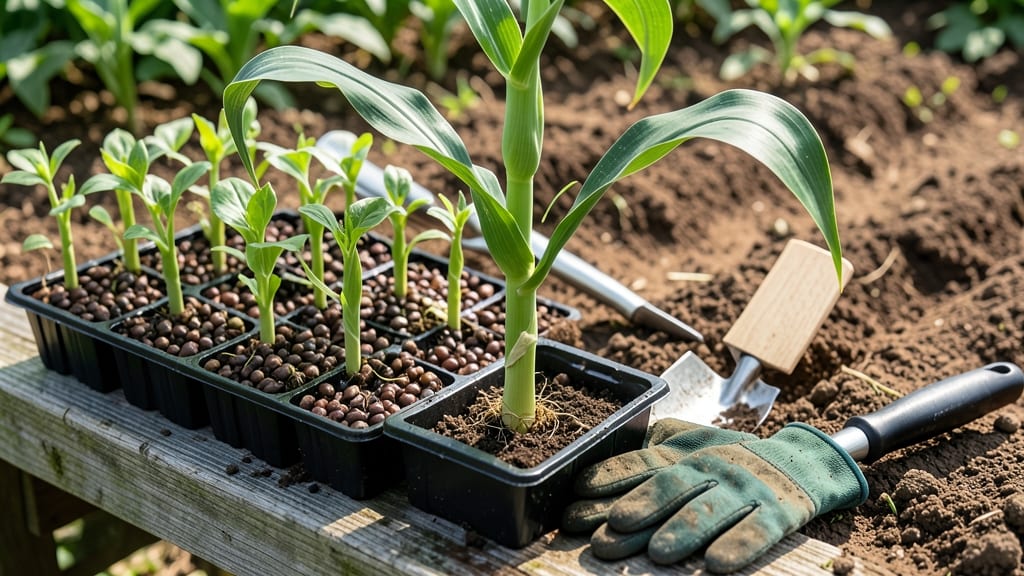
Planting corn in North Carolina at the wrong time can mean the difference between a bountiful harvest and wasted seeds. With your state’s diverse USDA zones 7a-8b and unpredictable spring weather, knowing the exact window is crucial for best results.
Most gardeners in the Tar Heel State aim for mid-April to late June, but that’s just the starting point. Soil temperature, frost risk, and even your county’s microclimate play a bigger role than you might think.
I’ll break down how to pinpoint the perfect moment for your location—whether you’re in the mountains or coastal plains.
Why does timing matter so much? Corn thrives when soil hits 60°F and stays there, but planting too early risks frost damage, while late starts can lead to drought stress.
I’ll share the science-backed dates that work for NC’s most popular varieties, so you can avoid common mistakes and maximize your 🌽 yield.
Ready to grow corn that’s tall, sweet, and ready by late summer? Let’s dive into the exact steps—from soil prep to seed depth—that will give you the harvest of your dreams. You’ll never second-guess your planting schedule again.
North Carolina corn planting dates by USDA Zone (with frost risk analysis)
North Carolina spans USDA zones 7a through 8b, creating dramatic differences in corn planting windows. In Zone 7a (mountains like Asheville), frost lingers until May 15, while Zone 8b (coastal areas like Wilmington) enjoys frost-free soil by March 15.
This variation means your planting date could shift by 6 weeks depending on location.
For consistent harvests, align your planting with soil temperatures above 60°F—corn seeds won’t germinate below this threshold. Use a soil thermometer to confirm readiness, especially in cooler mountain regions where late-May plantings may still yield ears before frost.
Here’s the zone-by-zone breakdown of ideal planting windows, frost risks, and recommended corn varieties for North Carolina:
| USDA Zone | Last Frost Date | Ideal Planting Window | Soil Temp Threshold | Recommended Varieties |
|---|---|---|---|---|
| 7a (Mountains) | May 15 | Late May–Early June | 60°F+ | Pioneer 39G23 (90 days), 'Country Gentle' |
| 7b (Piedmont) | April 15 | Mid-April–Late May | 60°F+ | 'Golden Bantam' (80 days), 'Silver Queen' |
| 8a (Coastal Plain) | March 1 | Late March–Early June | 55°F+ | 'Peaches and Cream' (85 days), 'Tuxedo' |
| 8b (Coastal) | February 15 | Early March–Late June | 50°F+ | 'Bodacious' (95 days), 'Ambrosia' |
Notice how coastal zones (8a/8b) can start as early as March, while mountain zones (7a) must wait until late May to avoid frost damage.
This is why short-season varieties like 'Golden Bantam' are popular in Piedmont—they mature in 80 days, leaving time for a second planting if space allows.
For maximum yields, pair your planting window with the right maturity group. In Zone 7a, choose 90-day varieties to harvest before October’s first frost.
In Zone 8b, you can stretch to 110-day varieties for late-summer harvests. Always check the back of your seed packet for days-to-maturity estimates.
Pro Tip: Use black plastic mulch in cooler zones to warm soil faster. Lay it down 1–2 weeks before planting to create a microclimate that speeds germination by 5–7 days—critical in North Carolina’s shorter growing seasons.
If you’re in Zone 7b or warmer, consider a successive planting strategy: start with early varieties in April, then follow with 60-day varieties in June for a staggered harvest. This ensures fresh ears from July through October.
For real-time frost tracking, bookmark the NC State Climate Office’s frost map (link). It updates daily and shows historical frost probabilities by county—essential for fine-tuning your planting date.
5 Critical factors that determine your exact planting window
North Carolina’s diverse geography means your perfect planting window depends on more than just the calendar. While most gardeners aim for mid-April to June, your exact timing hinges on 5 key factors that shift dates by weeks.
Let’s break down what truly matters for your location—whether you’re in the mountains, Piedmont, or coastal plains.
First, soil temperature is non-negotiable. Corn seeds won’t germinate reliably until the soil hits 60°F at a depth of 2 inches.
In the mountains (USDA Zone 7a), this often means waiting until late April or early May, while coastal areas (Zone 8b) may reach this threshold by mid-March. Use a soil thermometer—it’s the only way to know for sure.
Next, your last frost date isn’t just a number—it’s a moving target. The NC State Climate Office tracks average frost dates, but microclimates (like urban Raleigh’s heat island) can push yours 2 weeks earlier than official charts.
For example, Asheville’s last frost is typically April 15, but a sheltered valley might see frost as late as May 1. Planting too soon risks frost damage to young shoots, which won’t recover.
Your corn variety also dictates timing. Early-maturing sweet corn (like 'Golden Bantam', 60-70 days to harvest) can go in as early as late March in Zone 8b, while dent corn (like 'Pioneer 39G23', 90+ days) needs May or June starts to avoid fall frost.
Match your variety to your frost-free days—NC ranges from 180 days (mountains) to 220 days (coastal).
Don’t overlook water access, especially in eastern NC’s drought-prone zones. Planting in May or early June ensures your corn has summer rainfall to support ear development.
If you’re in a dry microclimate, consider drip irrigation or black plastic mulch to retain moisture. Without it, late June plantings often struggle by August.
Finally, elevation changes everything. In the Blue Ridge Mountains, plant 2 weeks later than the Piedmont. For example, if Raleigh’s ideal window is April 15-May 15, Boone’s should be May 1-June 1.
Use the NC State Extension’s interactive frost map to pinpoint your exact county risks—it’s the best tool for local precision.
Pro Tip: Test your soil 2 weeks before planting. NC soils often lack phosphorus (critical for root growth), and a simple $20 home test kit can save your harvest. Amend with compost or bone meal if needed—your corn’s 🌽 future depends on it.