
Companion Plants
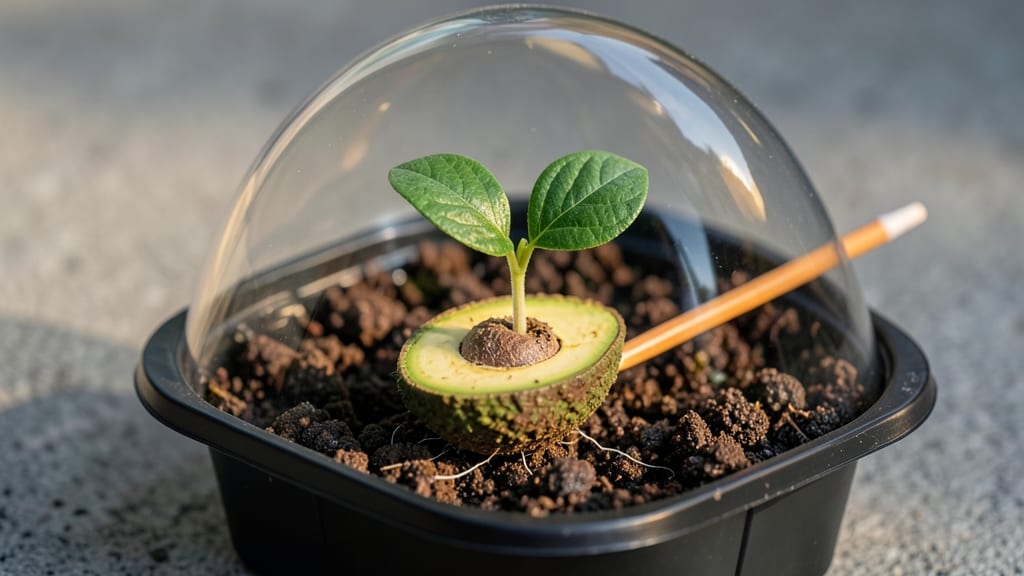
Planting your avocado seed in soil at the wrong time can mean the difference between a thriving 🥑 tree and a sad, wilted failure. The key isn't just waiting for roots to appear—it's knowing exactly when those roots are strong enough to handle real dirt without shock.
I've watched countless seeds rot because they were planted too soon, and I learned the hard way that patience pays off. Whether you're growing indoors or prepping for outdoor planting, timing matters more than most beginner gardeners realize.
Let me walk you through the exact signs your seedling is ready to make the leap.
From checking root length to adjusting for your climate zone, we'll cover everything you need to know to avoid common mistakes. The best part? You don't need a green thumb—just a little preparation and the right timing. Ready to give your avocado seed the perfect start?
In just a few minutes, you'll discover how to transition your seedling without stress, whether you're working with a sunny windowsill or preparing for spring planting. Let's make sure your 🥑 tree grows strong from day one.
Signs your avocado seed is ready for soil (germination triggers)
Your avocado seed’s transition from water to soil hinges on three key germination triggers: root development, stem strength, and water absorption changes. Ignoring these signs often leads to seed shock—a condition where seedlings wilt or rot after transplanting.
I’ve learned the hard way that rushing this step rarely ends well, so let’s break down what to watch for.
First, check your seed’s root length. Healthy avocado roots should reach 2-3 inches before soil planting. Gently remove the seed from water and measure the longest roots—if they’re shorter than 1.5 inches, wait another 2-3 weeks.
Roots this size anchor the seedling and prevent toppling during its first week in soil.
Next, observe the stem growth. A ready seedling will have a straight, sturdy stem of at least 3-4 inches tall with 2-3 sets of leaves. Avoid transplanting if the stem is leggy or bending—this signals weak structural support.
I once planted a seedling with a 5-inch stem that snapped under its own weight within days.
Finally, monitor water absorption. Ready seeds absorb water slowly—drop the seed back into its glass and watch how quickly the water level drops. If it’s gone in under 24 hours, the roots are still too small to handle soil moisture.
Wait until absorption slows to 48+ hours before transplanting.
| Readiness Sign | Specification | Action |
|---|---|---|
| Root Length | 2-3 inches | Measure longest roots; wait if shorter |
| Stem Height | 3-4 inches | Avoid leggy or bending stems |
| Water Absorption | 48+ hours | Test by returning seed to water |
| Leaf Sets | 2-3 sets | Ensure vibrant, unfurling leaves |
One common mistake I see is assuming a seed is ready just because it’s sprouted. A 2-week-old seedling with a 1-inch root will struggle in soil—its roots aren’t developed enough to access nutrients.
Patience here pays off: I’ve had seedlings double in size within 3 months of proper timing, while rushed transplants often die within a week.
Another pro tip: Test soil readiness alongside your seed. Fill a small pot with your chosen potting mix and water it until damp. If water pools on top after 10 minutes, your mix is too dense—avocado seedlings need well-draining soil to prevent root rot.
I recommend a blend of 50% cactus mix, 30% perlite, and 20% compost for the best results.
Finally, avoid transplanting during temperature swings. Ideal soil temps for avocado seedlings range between 65-75°F. If your home dips below 60°F at night, delay planting until temperatures stabilize.
I once transplanted a seedling in 55°F weather—it took 2 weeks to recover, and the setback slowed growth by a full month.
Timing your avocado seed’s soil transition isn’t just about waiting for roots—it’s about creating the perfect storm of root strength, stem stability, and environmental conditions. Master these triggers, and you’ll give your seedling the best shot at thriving.
Best months to plant avocado seeds by climate zone (USDA guide)
Timing your avocado seed's transition to soil depends entirely on your USDA climate zone and whether you're growing indoors or outdoors. In tropical zones (9-11), you can plant year-round, but in temperate or cold zones (3-8), timing is everything to avoid frost damage.
I’ve grown avocado seedlings in Zone 6a and learned that patience in cooler climates saves countless hours of frustration.
For most gardeners, the best window is after your last frost date—typically late spring (May-June) in cooler regions. However, if you’re growing indoors first, you can start the seed anytime and transplant later.
The key is ensuring your seedling has strong roots (3-6 inches long) before soil exposure, regardless of the calendar month.
Here’s how to match your climate zone to the ideal planting window:
| Climate Zone | Indoor Start Window | Outdoor Planting Window | Key Consideration |
|---|---|---|---|
| Zones 9-11 (Tropical) | Year-round | Any month (avoid heavy rain) | No frost risk; prioritize root strength over season. |
| Zones 7-8 (Temperate) | February-April | May-June (after last frost) | Acclimate seedlings to outdoor temps gradually. |
| Zones 3-6 (Cold) | January-March | June-July (wait for soil warmth) | Start indoors; transplant only when night temps stay above 50°F. |
If you’re in a cooler zone (3-6), I recommend starting seeds indoors in January-February to give them a head start. By the time outdoor temperatures stabilize in late spring, your seedling will have a 3-4 inch stem and healthy roots, making the transition smoother.
For Zone 6a gardeners, aim to plant outdoors by June 1st to avoid early fall chills.
One common mistake? Planting too early in spring when soil is still cold. Avocado seeds thrive in warm soil (60°F+), so use a soil thermometer if you’re unsure.
In my Zone 6a garden, I’ve lost seedlings by planting in April—the roots simply couldn’t handle the 50°F soil temps. Always wait until the ground warms up.
For indoor growers, the month doesn’t matter—just ensure your seedling gets 6+ hours of sunlight daily and well-draining soil. Whether you’re in Zone 1 or 11, the goal is the same: strong roots before soil exposure.
That’s the secret to success, no matter where you live. 🌱