
Companion Plants
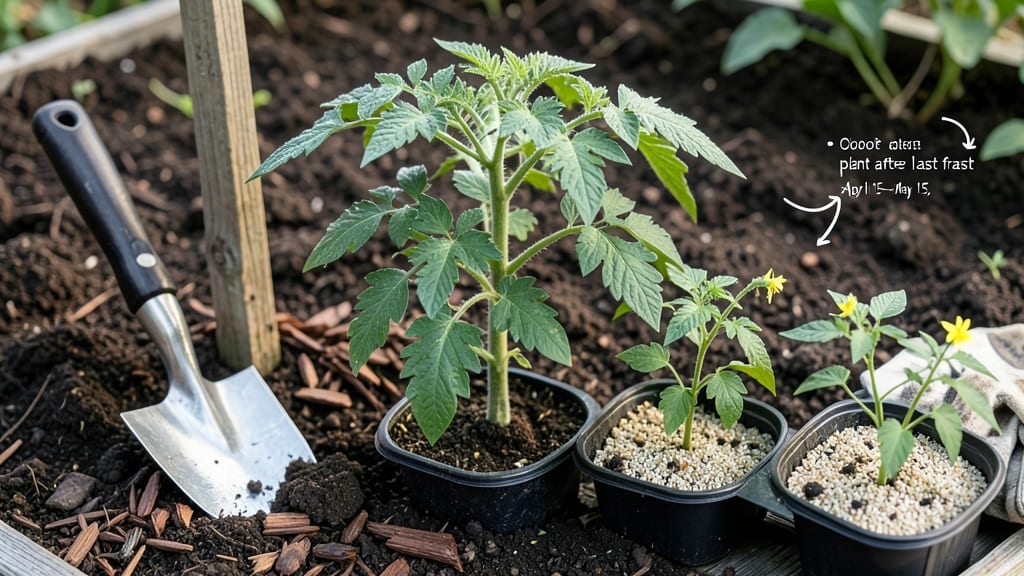
If you’ve ever stared at a seed packet for 🍅 tomatoes in Ohio and wondered, "When can I plant tomatoes in Ohio?"—you’re not alone.
The truth is, Ohio’s Zone 6a climate throws a curveball with its unpredictable springs, and planting too early can turn your hopeful seedlings into sad, frost-nibbled casualties.
Here’s the kicker: while late April to early May is the sweet spot for most gardeners, your exact timing depends on whether you’re in urban Cleveland, rural Appalachia, or somewhere in between.
Soil temperature matters just as much as calendar dates—60°F+ is your golden threshold—and skipping this step means stunted growth or worse.
In this guide, I’ll break down Ohio’s zone-specific deadlines, when to start seeds indoors vs. direct sowing, and how to outsmart Mother Nature’s mood swings. No more guesswork—just a foolproof plan for tomatoes that thrive from July to September.
Let’s get your garden on track for a harvest that’ll make your neighbors jealous—and your dinner plate happy.
Ohio’s tomato planting zones: exact dates by region (2024 guide)
Ohio’s USDA hardiness zones 5-7 create a patchwork of planting windows, but the real magic happens when you align your schedule with soil temperature and last frost averages.
In most of Ohio, tomatoes thrive when nighttime temps stay above 55°F, but soil warmth (60°F+) is the true game-changer for root health. Let’s break down your region’s deadlines—because a late April start in Columbus might be too risky in Toledo’s cooler pockets.
For southern Ohio (zones 6-7), like Cincinnati or Chillicothe, aim for April 20–May 5 after the average last frost (April 15). Northern Ohio—think Cleveland or Youngstown—should wait until May 10–20, when soil finally warms past 55°F.
Pro tip: Check Ohio State University’s Ohio Agricultural Weather Network for real-time soil temps—it’s your secret weapon against guesswork.
Here’s the hard truth: Planting too early in cold, wet soil stunts roots and invites damping-off disease. Transplants from nurseries are safer than direct sowing, but even they need consistent warmth.
If your seed packets say “60 days to maturity,” subtract 2 weeks if you’re using transplants—because Ohio’s short season demands efficiency.
Ohio’s microclimates throw a wrench into the plan: Urban heat islands (like Columbus) can shave 1–2 weeks off your planting window, while valleys (e.g., Appalachian foothills) may need to wait until May 15. Urban gardeners near concrete can plant 10–14 days earlier—just monitor nighttime temps closely.
For rural areas, err on the side of caution: A late May start is better than a failed April crop.
Don’t overlook historical weather patterns.
Ohio’s 2023 spring saw frost as late as May 10 in some zones—so if your 5-year average says “last frost April 15,” check the last 3 years for delays. Row covers (like Reemay fabric) can buy you 2–3 weeks of extra protection if you’re pushing the envelope.
For container gardening, Ohio’s shorter season means prioritizing compact varieties like ‘Tiny Tim’ or ‘Patio Princess.’ These hit maturity in 60–65 days, giving you a July harvest even if you plant in early May. Black pots absorb heat faster—ideal for balconies or patios where soil warms slower.
Here’s my non-negotiable rule: Never plant tomatoes in Ohio before May 1 unless you’re using a cold frame or greenhouse. The root zone must stay above 55°F for 7+ days to avoid blossom-end rot later.
Test soil with a digital thermometer—it’s the only way to outsmart Ohio’s unpredictable springs.
Pro move: Start seeds indoors by March 1–15 for a head start. Use grow lights (not just windowsills) to avoid leggy seedlings. Harden off transplants for 7–10 days before moving them outside—this toughens them up for Ohio’s wind and temperature swings.
Remember: Ohio’s first frost typically hits October 15, so plan for 165 frost-free days. If
5 Critical signs your Ohio soil is ready for tomato transplants (avoid these mistakes)
Ohio’s spring weather is notorious for its mood swings, and planting tomatoes too early in chilly, wet soil is a recipe for disappointment. I’ve learned the hard way that even if the calendar says "spring," your soil might still be too cold or waterlogged for tender tomato seedlings.
Here’s how to tell when your Ohio garden is truly ready.
First, check the soil temperature. Tomatoes thrive when soil reaches at least 60°F—any cooler, and their roots struggle to absorb nutrients. Use a soil thermometer (they’re cheap and lifesavers) to test 2-3 inches deep, especially in the morning.
If it’s below 55°F, wait a few more days. Black plastic mulch can speed this up by 5-10°F.
Next, look for earthworm activity. Healthy, active worms mean your soil is warming up and has enough organic matter.
Dig a small hole—if you see 3+ worms in a shovelful, your soil is likely ready. Weed growth is another clue: if dandelions and chickweed are sprouting, your soil is warm enough for tomatoes. But if the ground is still muddy or crusty, hold off.
Moisture balance is key too. Stick your finger 1-2 inches deep—if the soil feels damp but not soggy, it’s ideal. Waterlogged soil (common in Ohio’s clay-heavy areas) can suffocate roots and invite fungal diseases.
If your soil stays wet for more than 24 hours after rain, amend it with compost or sand to improve drainage.
🚨 Callout Warning 🚨
- Cold, wet soil (<55°F) → Roots rot
- Hard, crusty ground → Struggles to break through
- Shady spots → Needs 6+ hours of sun
- Soil is 60°F+ (test with thermometer)
- Earthworms are active (sign of healthy soil)
- Weeds are sprouting (natural warmth indicator)
Finally, observe the weather forecast. Even if your soil is ready, a 50°F night can shock young plants. Use row covers or wait until the 10-day outlook shows consistently warm temps. In Ohio, this often aligns with mid-to-late May, but urban areas like Columbus may be 1-2 weeks earlier than rural spots in Appalachia.
Pro tip: If you’re direct sowing seeds (not transplanting), wait until the soil is 70°F+—seeds are even more sensitive to cold. And remember, patience pays off. A few extra weeks of waiting means stronger plants and a bigger harvest come summer. Trust me, your tomatoes will thank you!