
Plants
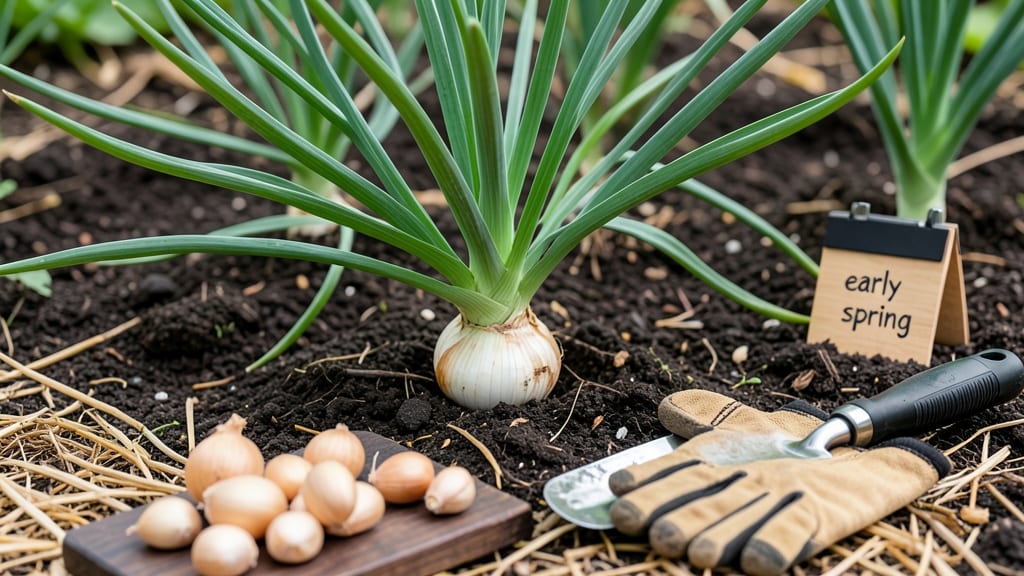
Timing your 🧅 onion planting in Ohio isn't just about following a calendar—it's about dodging the last frost while giving your crop enough warm days to mature. Plant too early, and cold soils can stunt growth or trigger bolting (those unwanted flower stalks).
Get it right, though, and you'll enjoy a harvest of sweet, plump bulbs by midsummer.
Most Ohio gardeners (especially in Zone 6a) know the magic window is March through April, but the exact date depends on your microclimate and whether you're starting seeds indoors or popping in sets.
The key is to have soil temperatures consistently above 40°F—cold, wet soil can delay germination or rot young plants before they even get going.
You might wonder why this matters so much—after all, onions are tough little plants. But here's the secret: consistent warmth after planting is what transforms those tiny sets into full-sized bulbs.
Skip the guesswork, and I'll walk you through Ohio-specific frost dates, soil prep tricks, and even which varieties handle our unpredictable springs best.
Ready to go from "maybe next year" to "harvest by July"? Let's break down the exact steps to plant your onions at the perfect moment—so you're not left with half-baked bulbs or empty garden beds by summer.
Ohio onion planting timeline by hardiness Zone (with frost date maps)
Ohio’s USDA hardiness zones 5-7 create a unique challenge for onion growers—cool springs and hot summers demand precise timing. Plant too early, and frost will kill tender seedlings; too late, and your onions may bolt prematurely or produce small bulbs.
The key? Align planting with Ohio’s last frost dates (typically mid-April in most regions) and soil temperatures above 40°F.
Most Ohio gardeners choose between seedlings (sets) and transplants, with sets offering a faster, more reliable start.
For yellow and red onions, which are Ohio’s top choices, aim to plant 4-6 weeks before your last frost date. Green onions, however, can handle cooler soils and even tolerate light frost, making them more flexible.
Here’s the breakdown by Ohio’s most common zones—Zone 5b (north), Zone 6a (central), and Zone 7a (south)—including when to start seeds indoors vs. direct-sowing outdoors. Use this as your planting roadmap to avoid common pitfalls like frost damage or bolting.
| Zone & Location | Last Frost Date | Ideal Planting Window | Seed Start Indoors | Direct Sow Outdoors |
|---|---|---|---|---|
| Zone 5b (e.g., Toledo, Cleveland) | April 15–May 1 | March 15–April 15 | February 15–March 15 | April 1–April 15 |
| Zone 6a (e.g., Columbus, Dayton) | April 1–April 15 | March 1–April 1 | February 1–March 1 | March 20–April 10 |
| Zone 7a (e.g., Cincinnati, Lexington) | March 15–March 31 | February 15–March 15 | January 30–February 15 | March 1–March 20 |
| All Zones | Soil Temp Threshold | 40°F+ | 6–8 weeks before last frost | 4–6 weeks before last frost |
🌱 Pro Tip: Use a soil thermometer to confirm temps—onions won’t sprout in cold, wet soil.
For green onions, you can cheat the system by planting every 2 weeks from early spring to midsummer. Their quick 30–60-day harvest time lets you enjoy fresh scallions long before bulbing onions are ready.
Meanwhile, storage onions (like Yellow Granex or Sweet Spanish) need the full 100–120 days to mature, so stick to the early spring window.
Ohio’s humidity and heat can stress onions later in the season, so avoid planting after mid-May unless you’re growing short-day varieties (like Texas Early White) or using shade cloth.
If you miss the spring window, consider a fall planting for green onions—just sow seeds 8–10 weeks before your first frost (typically late August in Ohio).
One critical mistake Ohio gardeners make? Planting onions too deep. Burying them more than 1 inch can cause rot or poor bulb formation. Instead, aim for ½–1 inch deep and space them 4–6 inches apart in rows 12–18 inches apart.
This spacing improves airflow, reducing fungal diseases like onion smut or downy mildew—common in Ohio’s damp springs.
To extend your harvest, try succession planting: Sow a new batch of seeds or sets every 2 weeks until mid-June. This staggered approach ensures a steady supply of green onions and smaller bulbing onions throughout the summer.
Pair this with drip irrigation to keep soil moisture consistent, which is especially important during Ohio’s unpredictable rain patterns.
Finally, mark your calendar for harvest time, which typically falls between late June and August in Ohio. Look for yellowing tops and firm bulbs—these are your cues to pull them before they
How to adjust onion planting for Ohio’s unpredictable weather (drought, heat, and early frost proofing)
Ohio’s weather is famously fickle—one day it’s 50°F and sunny, the next it’s 30°F with frost warnings. This unpredictability can throw off even the most careful onion planting schedule. The key to success? Flexible strategies that account for late frosts, summer droughts, and humidity spikes.
I’ve learned the hard way that rigid planting timelines often fail here, so I’ve adapted my approach to include season-extending tactics that keep onions thriving from spring through summer.
First, let’s tackle the biggest mistake Ohio gardeners make: planting too early. Cold, wet soils in March can delay germination or cause rot-prone seedlings. Instead of rushing, wait until the soil temperature hits 45°F consistently—use a soil thermometer if you’re unsure.
This usually aligns with mid-to-late April for most of the state, but Zone 5 areas (like northeastern Ohio) may need to wait until early May. Patience here saves weeks of frustration later.
Here’s my foolproof method for Ohio’s climate: successive planting. Start with short-day onion varieties (like ‘Texas Early White’) in early April for a June harvest. Then, follow up with long-day varieties (such as ‘Sweet Sandwich’) in late April or early May for a July-August harvest.
This two-pronged approach ensures you’re not left with a single harvest window—because let’s be honest, Ohio’s weather will likely throw a curveball at you.
Once your onions are in the ground, mulching is non-negotiable. A 2-3 inch layer of straw or shredded leaves keeps soil moisture even and protects against temperature swings.
In Zone 7 areas (like southern Ohio), mulch also helps prevent bolting during sudden heatwaves—onions hate stress, and extreme heat can send them flowering instead of bulbing.
If you notice your onions sending up flower stalks, trim them immediately and focus on watering deeply to redirect energy back to bulb development.
For gardeners in northern Ohio (Zone 5)**, where frosts can linger into May, consider using row covers or cold frames to create a microclimate. These tools buy you an extra 2-3 weeks of growing time, which can mean the difference between a small harvest and a full garden bed.
I’ve had success with floating row covers (like Agribon) over young seedlings—just remove them once daytime temps consistently stay above 50°F to avoid overheating.
Finally, don’t overlook shade cloth during Ohio’s blistering July heat. A 30-50% shade cloth can lower soil temperatures by 10-15°F, preventing onions from becoming pungent or bitter. This is especially critical for green onions or scallions, which are more sensitive to heat stress.
Pair shade cloth with drip irrigation to keep roots cool and moisture levels steady—this combo has saved my crops during Ohio’s unpredictable summer downpours and drought-like stretches.
With these adjustments, you’ll turn Ohio’s unpredictable weather into an advantage. Your onions will mature steadily, resist bolting, and produce sweet, plump bulbs—no matter what Mother Nature throws at you. And trust me, after years of trial and error, this method works. Happy planting! 🌱