
Plants
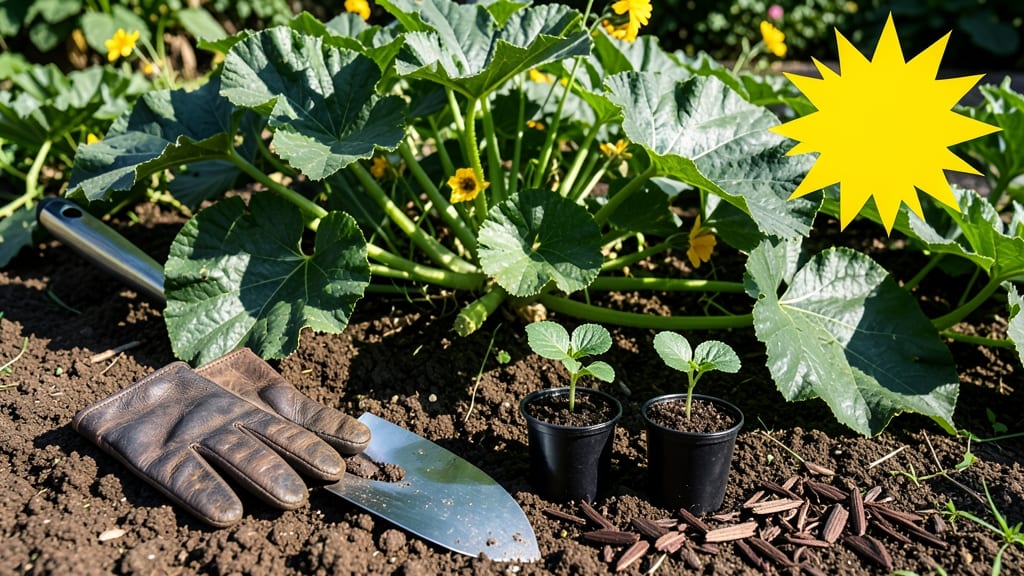
Planting pumpkins in Ohio isn’t just about grabbing seeds and sticking them in the ground—it’s about timing them perfectly to beat frost and maximize your harvest. 🎃 The mid-April to early May window (after the last frost) is your golden opportunity, but even a few days off can mean the difference between a thriving patch and a sad, wilted vine.
Ohio’s USDA Zone 6a climate means you’ve got roughly 165 frost-free days to work with, and pumpkins need 90-120 days to mature. That’s why knowing exactly when to plant—whether you’re direct-sowing or starting indoors—isn’t just helpful, it’s essential.
Skip the guesswork, and you’ll avoid the heartbreak of watching your pumpkins turn to mush before Halloween.
In this guide, I’ll break down the frost-free timeline for Ohio’s zones, including soil temperature tips and the best varieties for your short season.
Whether you’re a first-time gardener or a veteran grower, these insights will help you plan like a pro—so you can enjoy a pumpkin patch that’s the envy of the neighborhood.
Ready to turn your Ohio garden into a pumpkin powerhouse? Let’s dive into the step-by-step planting schedule that’ll set you up for success—no matter where you are in the state.
Ohio pumpkin planting calendar by hardiness Zone: frost dates and ideal windows
Ohio’s 5 hardiness zones (5a-7a) create a 14-day difference in last frost dates—meaning your planting window shifts dramatically from northern to southern Ohio. In Zone 5a (e.g., Toledo, Youngstown), you’ll wait until May 1 to plant, while Zone 7a (e.g., Cincinnati, Columbus) can start as early as April 15.
Missing this window risks frost damage or immature pumpkins before winter.
Pumpkin seeds need soil temperatures of 60-65°F to germinate—so even if frost has passed, wait until late April or early May in most of Ohio. Use a soil thermometer to confirm: seeds won’t sprout in cold soil.
For northern Ohio (Zones 5a-5b), consider starting seeds indoors 2-3 weeks before the last frost date to extend your season.
Direct sowing is best for Ohio’s climate, but if you transplant seedlings, harden them off for 7-10 days before moving outdoors. Seedlings are more vulnerable to shock and pumpkin roots dislike disturbance, so avoid transplanting unless necessary. For container growing, use 5-gallon pots and plant 2 seeds per pot to save space.
For early varieties (e.g., ‘Jack Be Little’), you can push planting to late June in southern Ohio—these mature in 70-80 days and may still ripen before frost. However, avoid planting after July 1 in northern Ohio, as even fast varieties won’t mature before the first frost (mid-October).
Use a frost calendar like the Old Farmer’s Almanac for your specific county to fine-tune dates.
Ohio’s short growing season (average 165 frost-free days) demands quick-maturing varieties. If you’re in Zone 5a, focus on 70-90 day varieties—any longer, and you’ll risk unripe pumpkins.
For Zone 7a, you can experiment with 100-day varieties like ‘Howden’, but monitor weather forecasts closely. Black plastic mulch can warm soil by 5-10°F, letting you plant 1-2 weeks earlier in cooler zones.
Pro tip: Mark your calendar for 90 days after planting—this is your harvest deadline. If you’re in Zone 5a, count backward from October 15 (average first frost) to determine your last planting
5 Critical factors that determine your Ohio pumpkin planting success (beyond dates)
Ohio’s 90-day growing season leaves little room for error, so while frost dates are critical, other factors can make or break your pumpkin harvest. 🌱 The soil temperature must reach at least 60°F for seeds to germinate—cold soil delays growth and invites rot.
Use a soil thermometer to confirm readiness, especially in Zone 5a areas where nights stay chilly longer.
Another game-changer? Microclimates within Ohio create wildly different conditions. A south-facing slope warms up faster than a north-facing valley, meaning you might plant weeks earlier in one spot than another.
Observe your garden’s sun exposure and wind patterns—windbreaks (like fences or hedges) can protect young vines from drying out.
Companion planting is your secret weapon against pests and diseases. Pair pumpkins with marigolds (repel squash bugs) or nasturtiums (deter cucumber beetles), but avoid planting near potatoes or fennel, which stunt growth. For container gardeners, choose compact varieties like ‘Jack Be Little’ and use 5-gallon pots with drainage—just ensure they get full sun and consistent watering.
- Soil Temp: Wait until soil hits 60°F (use a thermometer!)
- Microclimates: South-facing areas warm faster—plant earlier there.
- Companion Plants: Marigolds + nasturtiums = pest-free vines.
- Container Gardening: Use 5-gallon pots for dwarf varieties.
- Season Extenders: Black plastic mulch adds 2-3°F warmth.
Don’t underestimate season extenders like row covers or black plastic mulch. A simple plastic sheet can add 2-3°F of warmth, giving your pumpkins an extra 10-14 days of growth before frost.
For late plantings, use cold frames to protect seedlings until soil warms. And if you’re pushing the envelope with June plantings, opt for fast-maturing varieties (like ‘Howden’) to avoid frost.
Finally, watering strategy can’t be overlooked. Pumpkins need 1-2 inches of water weekly, but deep soaks in the morning prevent fungal diseases. Mulch with straw or grass clippings to retain moisture and suppress weeds—ohio’s summer heat can dry out soil quickly.
Avoid overhead watering at night to minimize powdery mildew risks.
By mastering these 5 critical factors, you’ll turn Ohio’s short season into a pumpkin-growing powerhouse—no matter where you live in the state. 🎃 The key? Plan ahead, adapt to your microclimate, and protect your plants like a pro.