
Plants
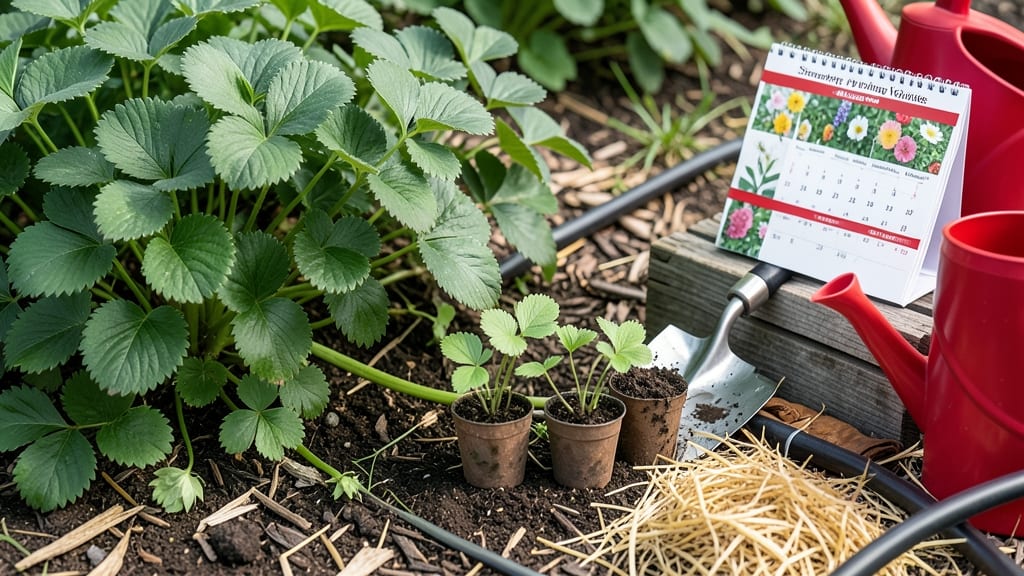
Planning your 🍓 strawberry harvest in Zone 8 starts with timing your planting perfectly—because getting it wrong means smaller berries or even a failed crop.
The ideal window isn't just "spring" or "fall"—it's about aligning with your local frost dates and soil conditions to give your plants the best possible start.
In Zone 8, where winters are mild but still bring occasional chills, the best months to plant strawberries are late winter through early spring (February-March) or fall (September-October).
This timing ensures your plants establish strong roots before summer heat or winter dormancy sets in, setting you up for a bigger harvest next season.
But here's the catch: not all planting windows are created equal. Fall planting gives your strawberries a head start, while spring planting works better for certain varieties.
I'll break down exactly which approach works best for your climate, plus soil prep secrets to maximize your yield—so you can avoid common mistakes that waste time and effort.
Whether you're a first-time gardener or a seasoned grower, these insights will help you plant with confidence and enjoy sweet, homegrown strawberries all season long. Let's get started!

Best planting months for strawberries in Zone 8: fall vs. spring timing
Timing your strawberry planting in Zone 8 makes all the difference between a bountiful harvest and disappointing results. Unlike cooler zones, Zone 8 offers two prime windows: fall and spring.
Each has unique advantages, and choosing the wrong one can delay fruiting or reduce yield. Let’s break down the exact months and why they work for your climate.
For spring planting, aim for February to early March—right after the last frost date (typically around February 15). This gives plants 6-8 weeks to establish roots before summer heat arrives.
In Zone 8, spring-planted strawberries often fruit in April or May, depending on the variety. Everbearing types may even produce a second crop in fall.
Fall planting, however, is my top recommendation for Zone 8 gardeners. The ideal window is September to early October, allowing roots to grow before winter dormancy.
Plants emerge stronger in spring, leading to earlier and larger fruit. Fall-planted June-bearing varieties can even yield in their first spring if given enough chill hours.
| Planting Window | Best Months | Soil Temp | Frost Risk | Harvest Time |
|---|---|---|---|---|
| Spring | Feb-March | 45-60°F | Low (post-frost) | April-June |
| Fall | Sep-Oct | 55-70°F | Moderate (pre-frost) | Next Spring |
🌱 Pro Tip: Test soil temperature with a thermometer—strawberries need 45°F+ to root successfully.
Zone 8’s mild winters and long growing season mean you can push boundaries slightly. For example, August planting is possible if you’re using bare-root plants and have irrigation. However, this risks heat stress before roots establish.
If you miss fall, don’t despair—bare-root strawberries can handle November planting as long as they’re mulched heavily to protect from light frosts.
Variety choice matters too. June-bearing strawberries thrive when planted in fall for a spring harvest, while everbearing varieties can handle both windows but may need winter protection in colder Zone 8 microclimates.
Always check your plant tags for chill hour requirements—most Zone 8 varieties need 300-500 hours below 45°F.
Regional variations within Zone 8 also play a role. In cooler southern Zone 8 (e.g., Northern California), fall planting extends into October. Meanwhile, warmer southern Zone 8 (e.g., Arizona low deserts) may need to plant in winter to avoid summer heat.
Use your local last frost date as your guide—count back 6-8 weeks for spring or 8-10 weeks before first frost for fall.
One mistake I see often is planting too early in spring when soils are still cold. Strawberries rot in soggy soil, so wait until the ground warms to 50°F+.
For fall, don’t wait until November—plants need 4-6 weeks to root before winter slows growth. Use a soil thermometer to track progress; aim for 60°F+ for optimal root development.
After planting, mulch heavily with straw or pine needles to insulate roots in winter or keep soil cool in summer. This single step can double your yield by protecting plants from temperature swings.
Pair this with consistent watering (1 inch per week) and you’ll set your strawberries up for success in Zone 8’s challenging climate.
Ready to plant? Grab your bare-root strawberries, mark your calendar for September 15th (ideal fall date), and prepare your beds with well-draining soil and organic matter. With the right timing, you’ll enjoy juicy, homegrown strawberries by next spring—or even this summer if you’re lucky! 🍓
Best planting months for strawberries in Zone 8: fall vs. spring timing
Zone 8 gardeners have two prime windows for planting strawberries: late winter to early spring and fall. Each offers unique advantages, but timing matters—plant too early, and frost will damage tender roots; too late, and your plants won’t establish before summer heat.
Let’s break down the exact months and why they work best in Zone 8’s climate.
For spring planting, aim for February to early March when soil temperatures hover around 45–55°F. This gives plants 8–10 weeks to root before summer’s peak heat. In fall, September to October is ideal—planting 4–6 weeks before your first frost lets roots establish while avoiding winter dormancy stress.
Soil temperature is your best guide: strawberries thrive when soil reaches 45°F. Use a soil thermometer to confirm—cold soil delays root growth and increases disease risk. In Zone 8’s warmer microclimates (like coastal areas), you might push spring planting to late March, but inland regions should stick to February.
| Planting Window | Best Months | Soil Temp | Zone 8 Advantage |
|---|---|---|---|
| Spring | February–March | 45–55°F | Longer growing season before summer heat |
| Fall | September–October | 50–60°F | Established roots survive winter better |
Zone 8’s 245 frost-free days give you flexibility, but regional microclimates vary. Coastal areas (like San Diego) can plant as late as November, while inland zones (like Austin) should finish by October 15th.
Everbearing varieties like ‘Albion’ or ‘Seascape’ tolerate wider windows, while June-bearing types (e.g., ‘Chandler’) need precise timing for peak harvests.
Pro tip: Mulch heavily after planting—straw or wood chips retain moisture and protect roots from temperature swings. In fall, add a 4-inch mulch layer to insulate plants through winter. For spring plantings, reduce mulch to 2 inches once soil warms to prevent rot.
Remember: June-bearing strawberries need chilling hours (300–500 hours below 45°F) to fruit. Zone 8’s mild winters may require artificial chilling (e.g., refrigerating bare-root plants for 2–3 weeks) if you’re pushing spring planting. Everbearing varieties are more forgiving but still benefit from proper timing.