
Plants
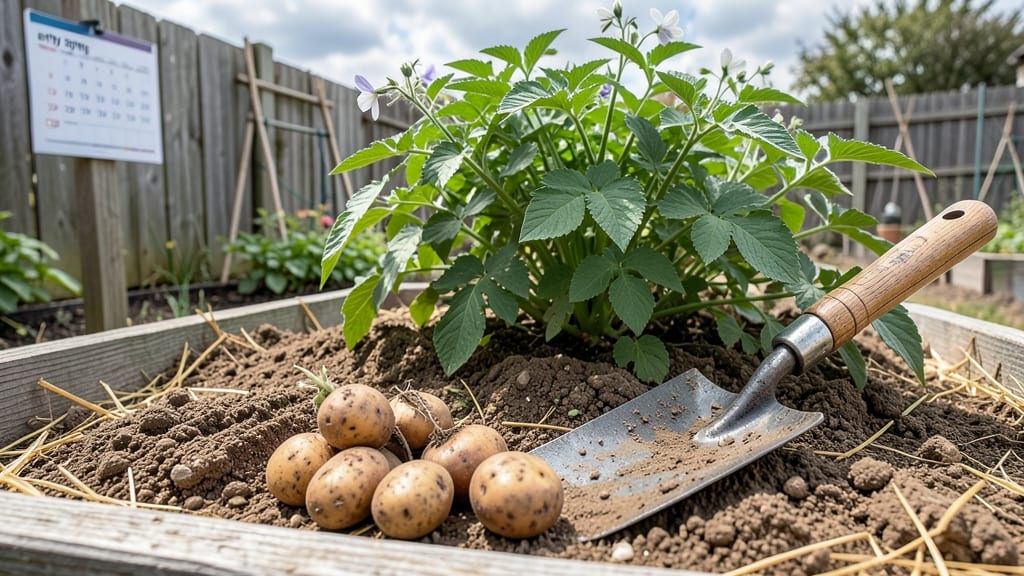
Knowing when to plant potatoes in Zone 7 isn’t just about following a calendar—it’s about catching that perfect window where soil warmth and frost risks align for fast germination and bumper harvests.
In Zone 7, where last frosts linger around March 15, planting too early can leave your 🥔 vulnerable to cold snaps, while waiting too long risks missing the ideal 60–120-day growth cycle before summer heat sets in.
I’ll break down the exact soil temperature triggers (think 45–55°F) and the best planting windows for early, mid-season, and late varieties—so you can time it right for a thriving crop.
Whether you’re a first-timer or a seasoned gardener, these insights will help you avoid common mistakes and maximize your potato yield before harvest season arrives.

Ideal planting windows for potatoes in Zone 7 by variety type
In Zone 7, your potato planting window hinges on two critical factors: soil temperature and variety maturity. Early varieties like 'Yukon Gold' can go in as soon as the soil reaches 45°F, while late varieties like 'Russet' need to wait until 55°F to avoid rot.
The last frost date in Zone 7 is typically around March 15, but don’t rush—planting too early can stunt growth or invite disease.
For the best results, aim to plant 4-6 weeks before your last frost. This gives tubers time to establish roots before warm weather triggers rapid growth. In Zone 7, that usually lands in late February to early April, depending on your microclimate.
If you’re in a cooler pocket of Zone 7, like the Appalachians, push planting to March to avoid frost damage.
Here’s the golden rule: Wait until soil is workable—not just thawed. Cold, wet soil can smother sprouts and invite rot. Stick your finger in: if it feels cool but dry enough to crumble, it’s ready.
For container growing, you can plant slightly earlier since pots warm faster, but still target 45°F soil for early varieties.
| Variety Type | Planting Window (Zone 7) | Soil Temp Threshold | Days to Maturity | Blight Risk |
|---|---|---|---|---|
| Early (e.g., 'Red Norland') | Late February–Early March | 45–50°F | 60–90 days | Low (fast harvest) |
| Mid-Season (e.g., 'Kennebec') | Early–Mid March | 50–55°F | 90–110 days | Moderate |
| Late (e.g., 'Russet Burbank') | Mid–Late March | 55–60°F | 110–120 days | High (plant later) |
| New Potatoes (e.g., 'Fingerling') | Early April (or late Feb in containers) | 50°F+ | 50–70 days | Low (harvest young) |
⚠️ Pro Tip: Chit your seed potatoes (sprout indoors) to jumpstart growth by 2–3 weeks—critical for late starts!
If you’re planting for a fall harvest, consider a second crop in early June using early-maturing varieties. This works because Zone 7’s first frost isn’t until mid-November, giving you a second chance for tubers. Just be ready to harvest by late September to avoid cold snaps.
For organic gardeners, avoid planting potatoes in soil where tomatoes, peppers, or eggplants grew last year—they share diseases like verticillium wilt. Rotate crops with beans, corn, or brassicas instead. In Zone 7, this means planning your fall garden carefully to break disease cycles.
One mistake I see often? Planting too deep to "hide" from pests. Potatoes need 4–6 inches of soil cover—any deeper, and they’ll struggle to sprout. Use hill soil around stems as they grow, but don’t bury the base. This also helps prevent greening (toxic solanine buildup) from sunlight exposure.
In southern Zone 7 (e.g., Atlanta, Raleigh), you can sometimes squeeze in a winter crop by planting in late October using cold-hardy varieties like 'Purple Viking'. These varieties tolerate light frosts and mature before spring warmth triggers blight. Just cover with straw mulch during cold snaps.
Finally, keep an eye on your local blight forecasts. In Zone 7, late blight (the same fungus that hit Ireland in 1845) is a real threat after June 15.
If your area issues warnings, switch to resistant varieties like 'Adirondack Blue' or harvest early-maturing types before the fungus spreads.
Ideal planting windows for potatoes in Zone 7 by variety type
In Zone 7, your potato planting schedule hinges on two critical factors: soil temperature and variety maturity. Early varieties like 'Yukon Gold' thrive when planted as soon as soil reaches 45°F, while late varieties such as 'Russet Burbank' need warmer 50–55°F soil to avoid stunted growth.
Zone 7’s last frost typically falls around March 15, but don’t rush—planting 4–6 weeks before ensures tubers establish roots before cold snaps. For example, early varieties can go in by mid-February if soil is workable, while late varieties wait until late March or early April.
Here’s how to match your potato variety to the perfect planting window:
| Variety Type | Planting Window | Soil Temp Threshold | Days to Maturity | Best for Zone 7 |
|---|---|---|---|---|
| Early (e.g., 'Red Norland') | Mid-February to early March | 45–50°F | 60–90 days | Early harvests, cold soil |
| Mid-Season (e.g., 'Kennebec') | Late March to early April | 50–55°F | 90–110 days | Balanced yield, disease resistance |
| Late (e.g., 'Russet Burbank') | April (after last frost) | 55–60°F | 110–120 days | Large tubers, late-season harvest |
For early varieties, aim to plant by March 1 to harvest by June 15—just as summer heat ramps up. Mid-season types planted in late March yield by July 4, while late varieties need that April start to mature by September before frost.
Pro tip: Use black plastic mulch to warm soil faster if early planting is critical. This trick adds 5–10°F to soil temperature, helping early varieties sprout sooner.
If you’re unsure about soil temps, stick to mid-season varieties—they’re the most forgiving for Zone 7’s unpredictable springs. These adapt to both cool starts and warming trends without sacrificing yield.
Remember: Soil temperature matters more than calendar dates. A 45°F soil in February might be ready, while a 50°F soil in April could still be too cold for late varieties. Always test with a soil thermometer before planting.