
Plants
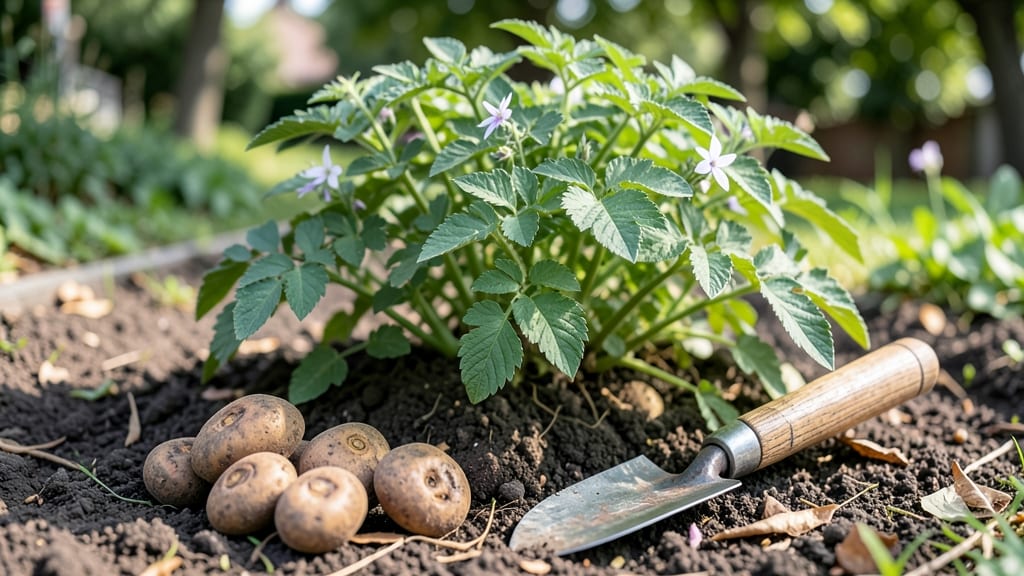
When do you plant potatoes in Pennsylvania? Timing your 🥔 potato planting isn’t just about the calendar—it’s about beating frost, soil warmth, and your chosen variety’s patience. Plant too early, and a late frost will turn your sprouts to mush; too late, and summer heat will shrink your yield before harvest. The sweet spot? March through early April for most varieties, but early potatoes can go in as soon as February if you're brave enough to gamble on weather.
Here's the kicker: Pennsylvania's USDA Zone 6a means your last frost date hovers around April 15, but soil temperature matters just as much. Cold soil delays sprouting, so aim for 45°F or warmer—a good rule of thumb is to plant when daffodils bloom.
I've learned the hard way that rushing into chilly soil leads to rot, while waiting too long cuts your harvest window short.
What you'll discover here is how to sync your planting with Pennsylvania's climate quirks—whether you're growing early varieties like Yukon Gold or late-season Kennebecs. We'll cover frost-proofing tricks, succession planting for continuous harvests, and how to read your soil's temperature cues like a pro.
No more guessing games when June rolls around and you're ready to dig up those homegrown spuds.
The best part? These strategies work whether you're a backyard gardener with a small plot or a homesteader prepping for a full-season harvest. Let's get those potatoes in the ground at exactly the right moment—because in Pennsylvania, timing really is everything when it comes to a bumper crop of 🥔.
Pennsylvania potato planting dates by hardiness Zone (with frost risk charts)
Pennsylvania spans USDA zones 5b through 7a, meaning your last frost date can vary by 2-3 weeks depending on where you live. In Zone 5b (northwest PA), frost lingers until May 10, while Zone 7a (southeast PA) typically sees its last frost by April 15.
Planting too early risks frost damage, but waiting too long cuts your harvest window short.
For optimal growth, aim to plant when soil temperatures hit 45°F (7°C)—this usually aligns with 2-4 weeks before your last frost date. In Zone 6a (central PA), that’s early April for most varieties. Use a soil thermometer to confirm—cold soil delays sprouting and weakens plants.
Here’s how to adjust your planting timeline based on your local frost risk and variety maturity. Early varieties (like Yukon Gold) can handle cooler soils, while late varieties (like Kennebec) need warmer conditions to bulk up properly.
⚠️ Critical Mistake: Planting seed potatoes too early in cold soil can lead to rot or stunted growth. If your ground feels chilly or soggy, wait until soil warms up—even if it means delaying by a week.
Use this frost-risk chart to time your planting. For example, if you’re in Zone 6a and your last frost date shifts to May 1 (like in 2021), delay planting until April 15 to avoid frost damage. Check the National Weather Service or Penn State Extension for yearly updates.
Pro tip: Plant early varieties (like Red Norland) in February under row covers or in a greenhouse for a head start. This lets you harvest new potatoes as early as late May, even in colder zones.
For late-season harvests, try succession planting in late May with longer-maturing varieties like Kennebec. These won’t be ready until August or September, but they’ll keep producing while other gardens fade.
Always chit your seed potatoes (sprout them indoors) 4-6 weeks before planting to jumpstart growth. This is especially critical in Zone 5b, where short seasons demand every advantage.
🌱
Best potato varieties for Pennsylvania’s short vs. long seasons (and when to plant each)
Pennsylvania’s growing season varies dramatically from the cool, short summers of the north (like Erie in Zone 6a) to the warmer, longer seasons of the south (like Pittsburgh in Zone 7a).
Choosing the right potato varieties and planting them at the perfect time ensures you avoid both early frost damage and late-season heat stress.
For example, if you’re in Zone 6a, early varieties like Red Pontiac need to be in the ground by mid-March, while late-season Kennebecs can wait until early April.
I’ve found that early-season potatoes (like Yukon Gold) thrive when planted in February or early March—they mature in just 60-90 days, perfect for escaping Pennsylvania’s unpredictable spring frosts.
Meanwhile, late-season varieties (such as Russet Burbank) can handle planting as late as early May because they take 100-120 days to reach harvest. The key is matching your variety’s maturity to your local frost-free window.
Here’s how to pick the best varieties for your region and plant them at the optimal time to maximize your harvest.
The table below breaks down the top choices for Pennsylvania’s climate, including their ideal planting windows, maturity times, and best uses—whether you’re craving crisp new potatoes or hearty storage spuds for winter.
For Zone 6a gardeners in northern PA, like those in Erie or Scranton, focus on early and mid-season varieties to avoid late frosts. Plant Red Pontiac in mid-March and Yukon Gold in early April for a June harvest.
In Zone 7a areas like Pittsburgh, you’ve got more flexibility—try Kennebec in late March or even Russet Burbank in early April for a fall harvest before the first frost.
Pro tip: If you’re unsure about your last frost date, use the 50% bloom date of daffodils as a natural cue—it’s a reliable sign that soil is warm enough (around 45°F) for planting.
I’ve also had success using black plastic mulch to warm the soil faster, letting me plant 2-3 weeks earlier than the traditional calendar suggests. Just be ready to cover young plants if a late frost sneaks in!
Don’t forget to rotate your planting locations every year to prevent disease buildup in the soil. Potatoes are heavy feeders, so amend your beds with compost or well-rotted manure before planting, and avoid over-fertilizing with nitrogen—it’ll boost foliage but starve your tubers.
With the right variety and timing, you’ll be feasting on homegrown potatoes from June