
Plants
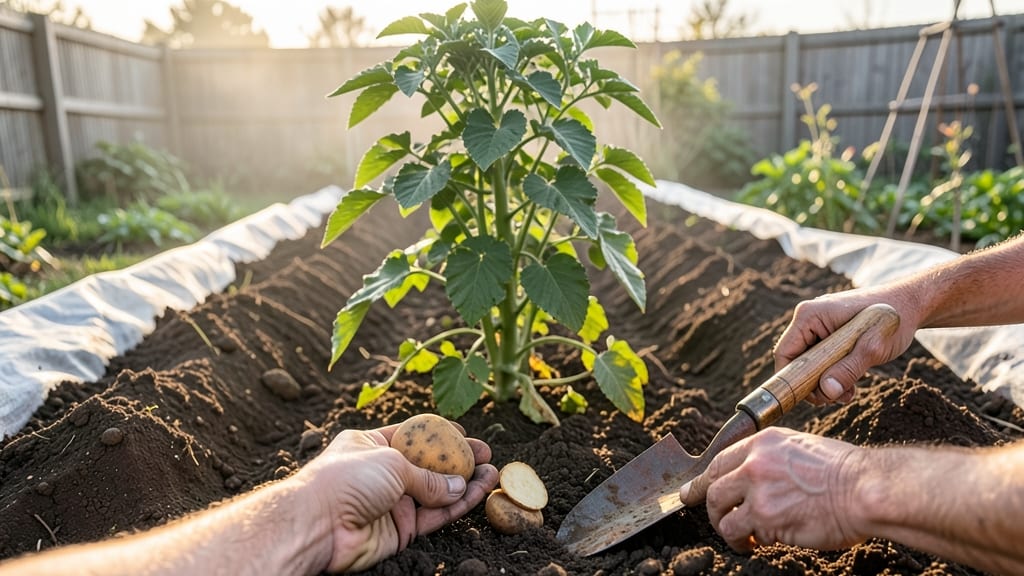
Timing when you should plant potatoes in Michigan can mean the difference between a thriving harvest and wasted effort. With Michigan’s unpredictable spring weather—think late frosts and chilly soils—getting those 🥔 in the ground too early or late risks stunted growth or even crop failure.
The key is waiting until soil temperatures hit that sweet spot of 45-50°F, which typically lands between mid-March and mid-April for most of the state.
But here’s the catch: Michigan’s USDA zones 5b-6b mean your exact window could shift depending on whether you’re in the Upper Peninsula or the Lower Peninsula.
Don’t stress—this guide breaks down the exact soil triggers, frost dates, and even backup strategies for when Mother Nature throws a curveball. You’ll learn how to test soil readiness, choose the right varieties for Michigan’s short season, and spot the first signs of successful sprouts.
Ready to grow potatoes that outperform store-bought? Let’s dig in—literally—and make sure your 2024 garden delivers the crisp, homegrown spuds you’ve been dreaming of.
Michigan potato planting calendar: soil temperature triggers for success
Michigan’s cool climate and variable spring weather make potato planting a delicate balance. Unlike warmer states, we can’t just wait for "spring" - we need to track soil temperatures and frost dates to avoid stunted plants or frost damage.
The key window opens when daytime temperatures consistently reach 45-50°F, typically between mid-March and mid-April in most regions.
For early varieties, you can even start as early as late February in southern Michigan if you use row covers or a cold frame. However, planting too soon in cold, wet soil can lead to rot.
The Upper Peninsula has a 2-3 week later window due to colder springs, usually mid-April to early May. Always check your last frost date (typically April 15 in southern Michigan, May 1 in the north) and plan to plant 2-3 weeks before.
Soil temperature is more critical than air temperature. Use a soil thermometer to verify readiness - potatoes won’t sprout until the soil reaches 45°F. In USDA zones 5b-6b, this usually aligns with late April for most gardeners. Pro tip: Plant early varieties first (like 'Yukon Gold') when soil hits 45°F, then later varieties ('Kennebec') when it reaches 50°F.
Regional variations matter in Michigan. Southern Michigan (Detroit area) can plant 2 weeks earlier than the Upper Peninsula. For example, Traverse City gardeners should wait until mid-April, while Grand Rapids can start late March. Always adjust for microclimates - a south-facing slope warms faster than a low-lying area.
| Region | Ideal Planting Window | Soil Temp Threshold | Key Consideration |
|---|---|---|---|
| Southern Michigan (Detroit, Ann Arbor) | Mid-March to mid-April | 45-50°F | Watch for late frosts (April 15) |
| Central Michigan (Lansing, Grand Rapids) | Late March to early April | 45°F minimum | Use row covers for early planting |
| Upper Peninsula (Marquette, Sault Ste. Marie) | Mid-April to early May | 50°F minimum | Shorter growing season |
| All Regions (General Rule) | 2-3 weeks before last frost | 45°F for early varieties | Test soil with thermometer |
Testing soil readiness goes beyond temperature. Press the soil with your finger - it should crumble easily but not be powdery. If it sticks to your gloves, wait 1-2 weeks.
For sandy soils (common in northern Michigan), potatoes may need earlier planting as they dry out faster. Amend with compost to improve moisture retention before planting.
Michigan’s short growing season (about 150 frost-free days) means we must time planting for maximum tuber development. Early varieties (like 'Red Norland') take 60-90 days to harvest, while late varieties (like 'Russet Burbank') need 100-120 days.
Plan to harvest before first frost (typically mid-October), leaving 8-10 weeks of growth after planting.
If you miss the spring window, don’t despair - fall planting is possible in Michigan’s mild winters. Plant seed potatoes in late August to early September for a winter harvest in early spring.
These "winter potatoes" grow slowly in cool soil and store well until planting season. Choose cold-hardy varieties like 'Purple Viking' for this method.
For container growing, start 4-6 weeks earlier since pots warm faster. Use black plastic pots to absorb heat and plant when soil reaches 50°F. In containers, potatoes mature 1-2 weeks faster than in ground soil, so adjust your planting date accordingly. Always use well-draining potting mix to prevent rot.
Remember: Early planting gives you more harvest time, but late planting risks smaller yields. The sweet spot is planting when soil hits 45°F and daytime temps stay above 50°F. Use a soil thermometer and frost date calculator to fine-tune your schedule each year.
How to adjust planting time for Michigan’s unpredictable spring weather
Michigan’s spring weather can be as unpredictable as a March snowstorm followed by 70-degree sunshine. Late frosts and cold snaps are common, so flexibility is key. If you plant too early, your seed potatoes may rot in cold soil, while waiting too long risks a shorter growing season.
The trick? Adjust your planting window based on soil temperature, not just calendar dates.
Most gardeners aim to plant when the soil temperature consistently reaches 45-50°F at a depth of 4 inches. Use a soil thermometer to check—this is far more reliable than guessing by air temperature.
In the Upper Peninsula, where frosts linger longer, you may need to wait until mid-to-late April, while Southern Michigan can often start as early as mid-March.
Even if your soil is warm, a late frost (common in April) can kill emerging sprouts. To protect your plants:
- Use row covers or frost cloth for extra protection.
- Choose cold-hardy varieties like 'Yukon Gold' or 'Red LaSoda'.
- Plant in sheltered spots (e.g., near fences or hills).
Pro Tip: If frost threatens after planting, cover seedlings immediately with straw or mulch.
If spring stays unusually cold, consider a backup planting strategy. Some gardeners plant early-maturing varieties (like 'Early Rose') in late April as a second chance. These potatoes take only 60-70 days to harvest, giving you a small but reliable crop even if the season shortens.
Don’t rely solely on last frost dates—they’re averages, not guarantees. Instead, watch for these soil readiness signs:
- Soil feels crumbly when squeezed (not muddy or frozen).
- Earthworms are active—a sure sign the soil is warming.
- Air temperature stays above 50°F for at least 5 days in a row.
Once your potatoes are in the ground, keep an eye on the weather forecast. If a cold snap is predicted, add a light mulch layer (straw or grass clippings) to insulate the soil and protect young sprouts. With these adjustments, you’ll maximize your chances of a successful harvest despite Michigan’s fickle spring.
Remember, even the most experienced gardeners in USDA Zones 5b-6b adjust their planting dates yearly. Stay flexible, and your potato patch will thank you with a bountiful yield! 🌱