
Companion Plants
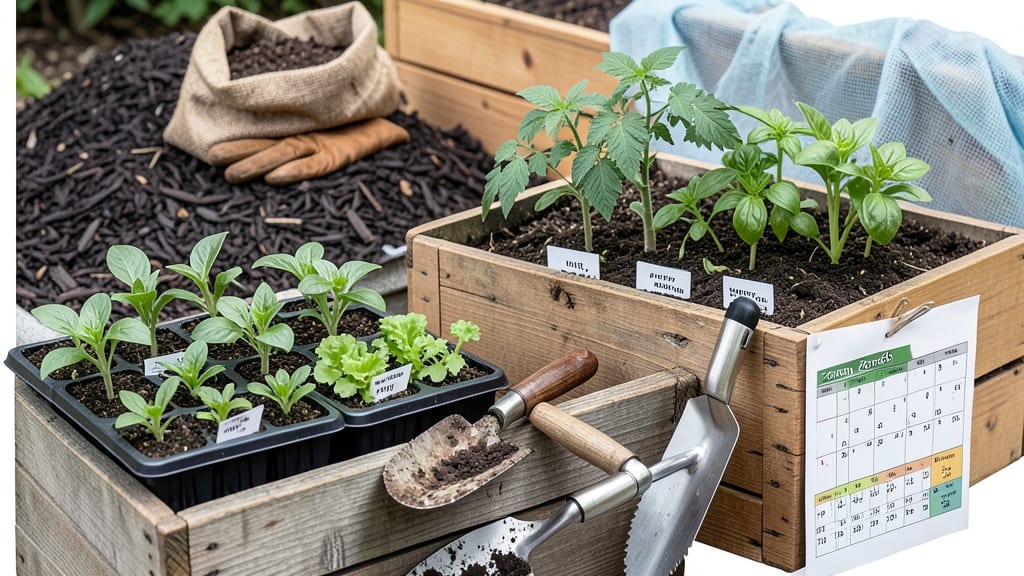
When can I plant in Zone 6b? Timing your garden just right in this region can mean the difference between a bumper crop and a season of disappointment—especially when those unpredictable late frosts strike. Whether you're dreaming of juicy tomatoes or crisp leafy greens, planting too early or too late can leave your hard work vulnerable to frost damage. The key is understanding your region's last frost dates and how they align with your favorite plants.
In Zone 6b, where April 15 marks the average last frost date, cool-season crops like spinach and peas can go in as early as March, while warm-season favorites like peppers and cucumbers need to wait until after the last frost has passed.
But here's the catch: regional variations mean your exact planting window could shift by weeks depending on whether you're in the Midwest, Northeast, or Appalachian areas.
I’ll walk you through the exact planting windows for your Zone 6b region, including how to adjust for microclimates like frost pockets or urban heat islands. You’ll also discover how soil temperature and moon phases can fine-tune your schedule for maximum success—no more guessing games about when to plant.
By the end, you’ll have a clear roadmap for planting everything from early spring greens to late-summer tomatoes, plus a downloadable calendar to keep track of it all. Let’s make this your most productive gardening season yet!

Zone 6b last frost dates by month: exact timelines for planting
If you're gardening in Zone 6b, timing your plantings around the last spring frost and first fall frost is non-negotiable. These dates separate successful harvests from wasted effort.
In most of Zone 6b, the average last frost date falls between April 15 and May 1, while the first frost typically arrives around October 15. However, these dates can shift dramatically depending on your exact location within the zone.
For example, cities like Chicago, IL and Pittsburgh, PA often see their last frost around April 20, while areas like Raleigh, NC might not hit that mark until April 28.
Understanding these variations helps you avoid planting tomatoes or peppers too early—only to watch them die in a late frost.
🌱 Key Insight: Your microclimate (urban vs. rural, elevation, proximity to water) can shift frost dates by 1-2 weeks. Always check local records from the past 5 years for the most accurate data.
| Region | Avg. Last Frost | Avg. First Frost | Safe Planting Window |
|---|---|---|---|
| Midwest (Chicago, IL) | April 20 | October 20 | April 25–May 10 |
| Northeast (Pittsburgh, PA) | April 25 | October 15 | May 1–May 15 |
| Appalachia (Raleigh, NC) | April 28 | October 25 | May 1–May 15 |
| Upper Midwest (Minneapolis, MN) | May 5 | October 5 | May 10–May 25 |
| Southeast (Atlanta, GA) | March 25 | November 5 | April 1–April 15 |
Note: Dates vary yearly—always verify with local weather sources before planting.
For cool-season crops like lettuce, spinach, and peas, you can start seeds 4-6 weeks before your last frost date. In Zone 6b, this means sowing late March to early April in most areas.
These hardy plants can tolerate light frosts, so don’t hesitate to get them in the ground early.
On the flip side, warm-season crops such as tomatoes, cucumbers, and beans need to wait until 2-3 weeks after your last frost. This usually lands in late April to early May, depending on your subregion.
Planting these too soon risks stunted growth or death from unexpected cold snaps.
Pro tip: Use row covers or a mini greenhouse to extend your planting season by 1-2 weeks in spring or fall. This is especially useful for delicate seedlings like peppers or eggplants, which struggle with even mild cold.
Fall planting in Zone 6b follows a similar logic but works backward. Broccoli, kale, and carrots can handle cooler temps, so aim to plant them 8-10 weeks before your first frost.
That means late July to early August in most of Zone 6b. For winter squash or garlic, you’ve got more flexibility—plant in late summer for a harvest before frost.
Always double-check with your local cooperative extension service or a microclimate-specific frost calculator. These tools account for local trends that general zone data might miss. For example, urban areas often warm up faster in spring, while valleys can hold frost longer.
Remember: A 5-day forecast isn’t enough—track 10-day outlooks and historical data to make the best call. When in doubt, opt for slow-growing varieties or use starter plants to give your garden a head start.
How to adjust planting dates based on microclimate factors in Zone 6b
Zone 6b’s last frost dates offer a starting point, but your local microclimate can shift planting windows by weeks. Urban areas, valleys, and hills create unique conditions that demand adjustments to avoid frost damage or stunted growth.
For example, urban heat islands—where pavement and buildings trap warmth—can push your last frost date back by 1-2 weeks compared to rural areas. Meanwhile, low-lying valleys often experience frost longer than higher elevations, delaying warm-season plantings.
- 🌡️ Soil Temperature: Wait until soil reaches 50°F+ for warm-season crops like tomatoes and peppers. Use a soil thermometer to avoid false starts.
- 🏙️ Urban Areas: Plant 2 weeks earlier than rural zones—heat retains warmth longer. Choose heat-tolerant varieties like 'Heatmaster' tomatoes.
- 🏔️ Elevation: Add 1 week per 1,000 ft above sea level. High-altitude gardens in Zone 6b (e.g., Appalachia) may need to delay until May 15.
- 🌊 Water Bodies: Areas near lakes/rivers freeze later. Extend cool-season planting by 10–14 days. Monitor local weather patterns for lake-effect frost.
- 🌙 Moon Phases: Plant root crops (carrots, beets) during the waxing moon for deeper growth. Leafy greens thrive during the waning moon.
- 🌬️ Wind Exposure: Sheltered spots can be 5°F warmer at night. Use row covers or plant near fences/walls to protect tender seedlings.
Even with adjustments, unpredictable late frosts can still sneak in. I recommend using frost cloth for 2–3 weeks after your adjusted planting date as a safety net, especially for tomatoes, peppers, and eggplants.
For fall planting, aim to sow cool-season crops like kale, spinach, and radishes by August 1—but push this to August 15 in cooler microclimates. Always calculate days to maturity to ensure harvests occur before the first frost.
Pro tip: Track your local frost history for 3–5 years to spot patterns. Websites like Almanac.com or NOAA provide regional data that can refine your planting schedule even further.